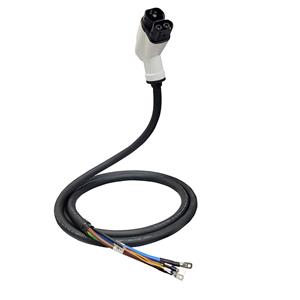
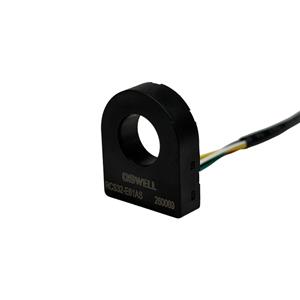
How Current Sensors Enhance Safety and Efficiency in Electric Vehicle Charging Infrastructure
How Current Sensors Enhance Safety and Efficiency in Electric Vehicle Charging Infrastructure
The rapid expansion of electric vehicles (EVs) has created a growing demand for reliable and efficient charging infrastructure. As charging networks continue to develop worldwide, ensuring charging safety, energy efficiency, and system reliability has become a major focus for EV charger manufacturers and infrastructure providers.
Current sensors play a critical role in modern electric vehicle charging systems by providing accurate real-time monitoring of electrical current. These components help charging equipment control power flow, prevent abnormal conditions, and optimize charging performance.
For EV charging station manufacturers, power electronics companies, and procurement teams, selecting high-quality current sensing solutions is essential for developing safe, efficient, and future-ready charging systems.
1. The Critical Role of Current Sensors in EV Charging Safety
Electric vehicle charging systems involve high levels of electrical power, especially in fast-charging applications. During charging, current levels can change depending on battery conditions, charging speed, and environmental factors. Without accurate current monitoring, charging systems may face risks such as overcurrent, overheating, and unstable power delivery.
Current sensors provide real-time information about electrical current flowing through the charging system. This data allows the charging controller to adjust power output, maintain stable charging conditions, and protect both the charging equipment and vehicle battery.
In DC fast charging systems, precise current measurement is especially important. High-power charging requires components that can operate reliably under high current loads while maintaining measurement accuracy. Reliable current sensors help prevent excessive electrical stress and improve the overall safety of charging operations.
Current sensing technology supports several important charging functions:
Overcurrent protection
Charging process monitoring
Power output control
Energy consumption measurement
Charging system diagnostics
For charging station manufacturers, integrating reliable current sensors can significantly improve product safety, reduce maintenance risks, and enhance customer confidence.
2. How Current Sensors Improve Charging Efficiency and Energy Management
Beyond safety protection, current sensors also play an important role in improving charging efficiency. Accurate current measurement allows charging systems to better manage energy flow and reduce unnecessary power losses.
Modern EV charging infrastructure is becoming increasingly intelligent. Smart charging systems use real-time electrical data to optimize charging schedules, balance grid demand, and improve energy utilization. Current sensors provide the measurement foundation required for these intelligent functions.
For commercial charging networks, accurate current monitoring helps operators understand energy consumption patterns and improve system management. By analyzing charging data, operators can optimize charging capacity, improve equipment utilization, and reduce operational costs.
When selecting current sensors for EV charging applications, procurement teams should consider several key factors:
Measurement Accuracy:
High-precision current measurement ensures reliable charging control and accurate energy calculation.
Thermal Stability:
Charging systems often operate continuously under high power conditions. Sensors must maintain stable performance despite temperature variations.
Response Speed:
Fast response allows charging systems to quickly react to current changes and improve protection performance.
Integration Capability:
Compact and flexible sensor designs help manufacturers develop more efficient charging equipment.
For global buyers, working with experienced current sensor suppliers ensures better product performance and long-term reliability.
3. Future Trends of EV Charging Infrastructure and Sensor Technology
The future of electric vehicle charging will move toward higher charging power, smarter energy management, and deeper integration with renewable energy systems. These trends will create increasing demand for advanced current measurement technologies.
Next-generation charging infrastructure will require more intelligent monitoring capabilities to support:
Ultra-fast charging systems
Smart grid integration
Renewable energy charging solutions
Battery energy management
Large-scale charging networks
As charging systems become more complex, reliable current sensors will become even more important. They will help manufacturers improve charging efficiency, enhance safety systems, and support intelligent energy management.
For EV charging equipment manufacturers, choosing a professional current sensor supplier provides advantages including customized solutions, stable product quality, and technical support throughout the development process.
With the continued growth of electric mobility, advanced current sensing technology will remain a key component in building safer, smarter, and more efficient charging infrastructure worldwide.
Conclusion
Current sensors are essential components in modern electric vehicle charging infrastructure. By providing accurate electrical monitoring, they help improve charging safety, optimize energy efficiency, and support intelligent power management. For EV charger manufacturers and global procurement teams, selecting reliable current sensing solutions is a key step toward developing advanced charging systems that meet the future needs of electric mobility.