How Electrical Measurement Components Support Industrial Automation and Energy Efficiency
How Electrical Measurement Components Support Industrial Automation and Energy Efficiency
Industrial automation is transforming modern manufacturing by improving productivity, reducing operational costs, and enabling smarter production processes. As factories become increasingly digital and connected, accurate monitoring of electrical systems has become essential for maintaining efficiency and reliability.
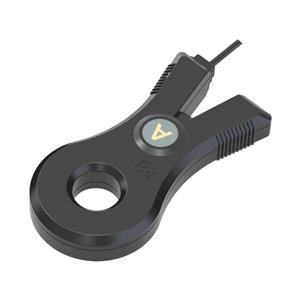
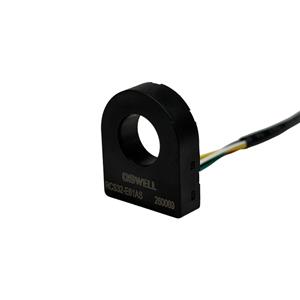
Electrical measurement components, including current sensors, current transformers, and precision measurement devices, provide critical data for industrial automation systems. By monitoring power consumption and electrical performance in real time, these components help manufacturers optimize energy usage, improve equipment management, and reduce unnecessary energy waste.
For industrial equipment manufacturers, automation system integrators, and procurement teams, selecting reliable electrical measurement solutions is a key factor in building efficient and intelligent manufacturing environments.
1. The Importance of Electrical Measurement in Modern Industrial Automation
Modern factories rely on complex electrical systems to operate production equipment, robotics, automation controllers, and industrial machines. Without accurate electrical monitoring, manufacturers may struggle to understand energy consumption patterns or identify potential efficiency improvements.
Electrical measurement components provide real-time data about current flow, power consumption, and equipment operating conditions. This information allows automation systems to make smarter decisions and improve overall production efficiency.
In industrial applications, accurate electrical measurement supports:
Machine performance monitoring
Energy consumption analysis
Equipment protection
Predictive maintenance
Production efficiency optimization
For example, monitoring the current consumption of industrial motors can help identify abnormal operating conditions before equipment failures occur. This reduces downtime and improves maintenance efficiency.
As factories move toward Industry 4.0 and smart manufacturing, reliable measurement technology has become a fundamental part of intelligent industrial systems.
2. How Current Sensors and Measurement Components Improve Energy Efficiency
Energy efficiency has become a major priority for manufacturers worldwide. Rising energy costs and sustainability requirements are encouraging companies to improve how they monitor and manage electricity usage.
Current sensors and current transformers help industrial systems achieve better energy management by providing accurate information about electrical consumption.
These components enable manufacturers to:
Monitor real-time power usage
Identify energy waste
Optimize machine operation
Improve production planning
Reduce operating costs
In automated production lines, electrical measurement data can be integrated with industrial control systems such as PLCs and energy management platforms. This allows operators to analyze equipment performance and make data-driven decisions.
For industrial buyers, selecting suitable measurement components requires evaluating several factors:
Measurement Accuracy:
Precise measurement ensures reliable energy data and improves system control.
Response Speed:
Fast sensing helps automation systems quickly respond to changes in equipment conditions.
Long-Term Reliability:
Industrial environments often require continuous operation under demanding conditions.
Application Compatibility:
Different machines and systems require different current ranges, installation methods, and technical specifications.
Working with experienced electrical component suppliers allows manufacturers to obtain customized solutions that match their automation requirements.
3. Future Trends of Industrial Energy Management and Measurement Technology
The future of manufacturing will continue moving toward automation, digitalization, and intelligent energy management. Smart factories will require more accurate data to optimize production processes and reduce resource consumption.
Future industrial applications will increasingly rely on electrical measurement technologies for:
Smart factory energy monitoring
Industrial IoT systems
Automated production lines
Machine condition monitoring
Energy optimization platforms
As industrial systems become more connected, measurement components will play a larger role in providing the data needed for intelligent decision-making.
For global manufacturers, choosing reliable suppliers of current sensors, current transformers, and electrical measurement components can improve system performance and support long-term industrial development.
With the continued growth of smart manufacturing, advanced electrical measurement technology will remain a key foundation for improving industrial efficiency, reducing energy consumption, and creating more sustainable production environments.
Conclusion
Electrical measurement components are becoming increasingly important in industrial automation and energy management. By providing accurate electrical data, current sensors, current transformers, and precision measurement technologies help manufacturers improve efficiency, reduce energy waste, and optimize production processes. For industrial companies and procurement teams, selecting reliable measurement component suppliers is essential for building smarter, more efficient, and more sustainable manufacturing systems.