How EV Charging Stations Contribute to Carbon Neutrality Goals
How EV Charging Stations Contribute to Carbon Neutrality Goals
Direct Emission Reduction Through Electric Vehicle Adoption
The most direct contribution of EV charging stations to carbon neutrality goals lies in enabling the transition from internal combustion engine (ICE) vehicles to electric vehicles (EVs). By providing the essential fueling infrastructure, charging stations facilitate the widespread adoption of EVs, which produce zero tailpipe emissions. Every mile driven by an EV powered by a charging station, compared to one driven by a gasoline or diesel vehicle, avoids the release of greenhouse gases (GHGs) like carbon dioxide (CO₂) and local pollutants. This direct emission displacement is foundational to decarbonizing the transportation sector, a major global source of carbon emissions. The role of charging infrastructure providers like Oswell, which manufactures a full range of AC and DC charging stations, is critical. Their reliable and efficient charging solutions ensure that EV drivers have consistent access to power, thereby increasing the practicality and appeal of EVs and accelerating the displacement of fossil-fueled transportation.
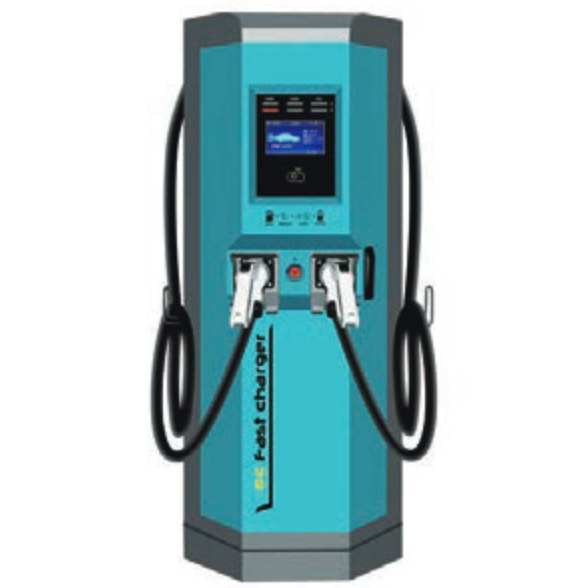
Optimizing Grid Integration and Renewable Energy Utilization
The role of EV charging stations evolves from simple energy dispensers to intelligent grid integration tools, which significantly amplifies their contribution to carbon neutrality. Smart charging stations, such as those developed by Oswell with OCPP 1.6/2.0 protocol compliance, can be programmed or incentivized to charge during periods of low grid demand or high renewable energy output (e.g., sunny or windy hours). This load shifting helps flatten the electricity demand curve, reduces reliance on peaking power plants (often fossil-fuel-based), and maximizes the utilization of clean energy from solar and wind farms. Furthermore, advanced technologies like Vehicle-to-Grid (V2G) enable bi-directional charging stations to feed energy stored in EV batteries back into the grid during peak demand. This turns EVs into distributed energy storage resources, enhancing grid stability and further facilitating the integration of intermittent renewables. By acting as a flexible demand source and a potential energy reservoir, smart charging infrastructure makes the entire power system cleaner and more efficient.
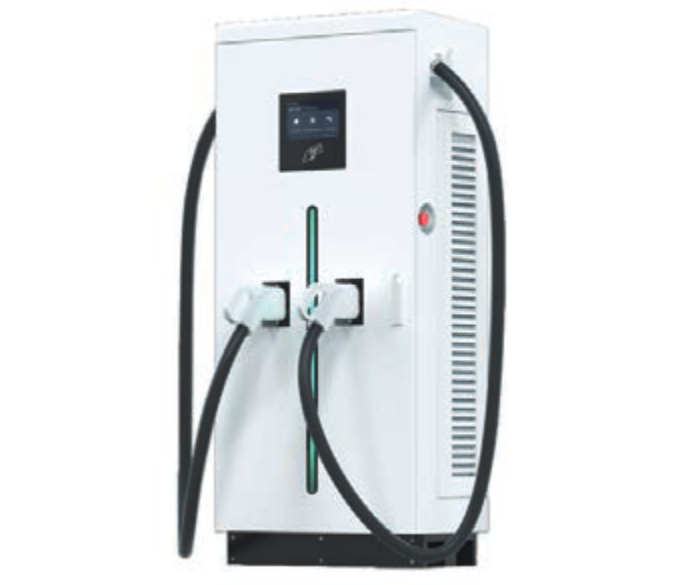
Enabling a Sustainable Ecosystem and Lifecycle Management
Beyond direct operation, the design, manufacturing, and deployment of EV charging stations contribute to a broader sustainable ecosystem. Leading manufacturers are incorporating eco-design principles, using materials with recycled content, and aiming for high energy efficiency in their products (e.g., Oswell's charging modules with peak efficiency over 96%). Efficient chargers waste less energy as heat during conversion, reducing indirect emissions from power generation. Moreover, the production of core components like precision current transformers (CTs) and shunt sensors—which are essential for accurate energy metering and battery management in charging systems—can be optimized for minimal environmental impact. By ensuring the durability and longevity of their charging stations through robust design (e.g., IP54/IP66 protection) and quality manufacturing, companies reduce the need for frequent replacements, thereby lowering the overall carbon footprint associated with manufacturing, transportation, and disposal. This holistic lifecycle management approach ensures that the charging infrastructure itself is part of a circular, low-carbon economy.
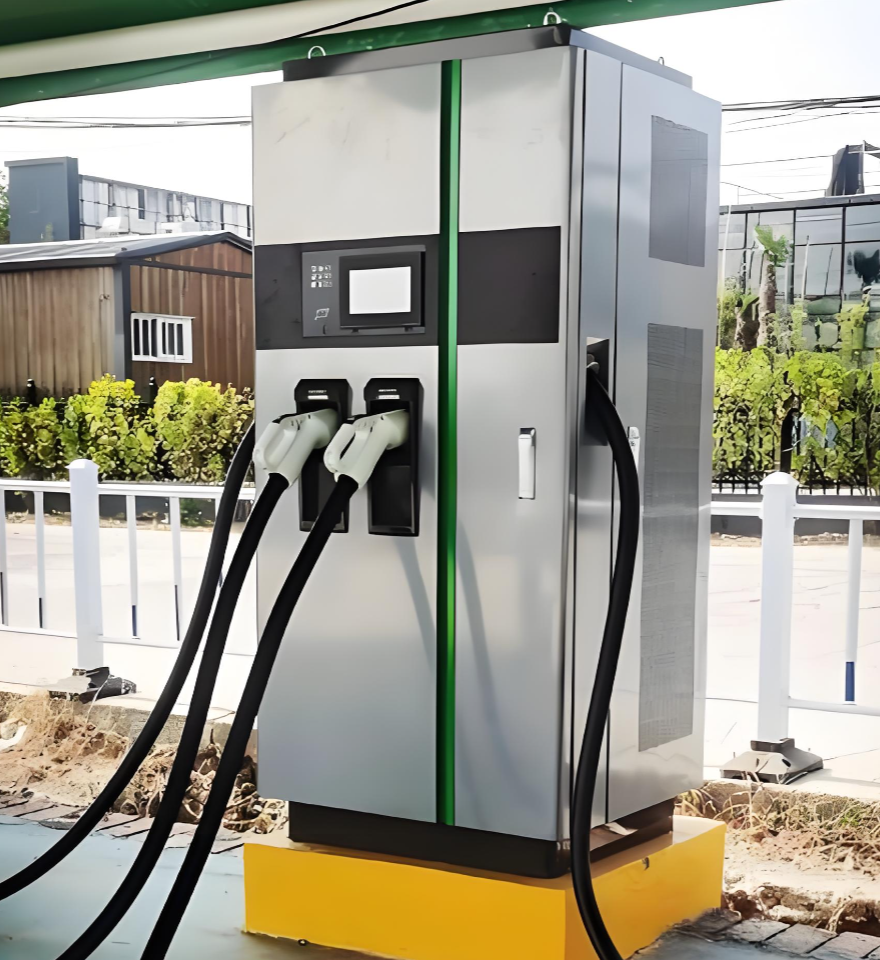
EV charging stations are pivotal enablers of carbon neutrality, operating on three synergistic fronts: they directly enable the replacement of high-emission vehicles, intelligently integrate transportation with a cleaner power grid through smart and bi-directional charging, and are themselves being built with greater sustainability in mind. As key infrastructure providers like Oswell continue to innovate in charging technology, grid interaction, and sustainable manufacturing, their role in supporting global carbon neutrality goals becomes increasingly vital and impactful.