How High-Precision Current Transducers Enable Advanced Power Quality Analysis
How High-Precision Current Transducers Enable Advanced Power Quality Analysis
From Waveform Capture to Data Integrity: The Measurement Foundation
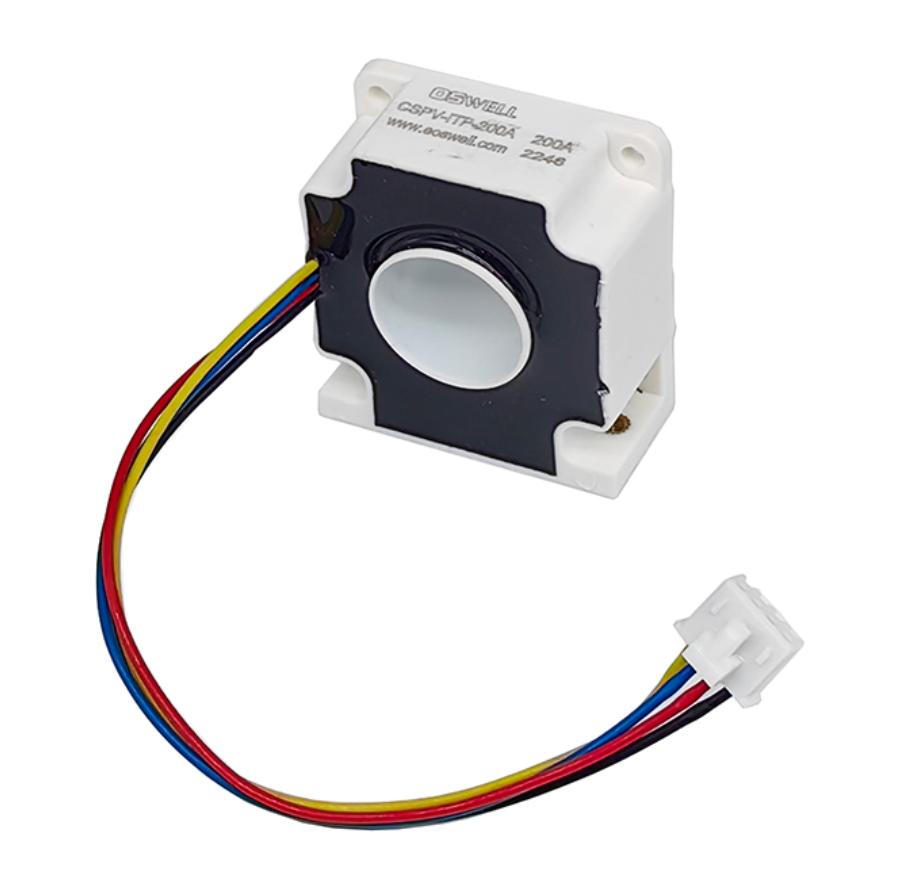
Advanced Power Quality (PQ) analysis is a diagnostic science that goes far beyond measuring basic voltage and current. It involves the precise capture and deconstruction of the electrical waveform to identify disturbances like harmonics, interharmonics, flicker, sags, swells, and transients. The accuracy and fidelity of this entire analytical process are fundamentally dependent on the first link in the measurement chain: the current transducer. Unlike standard current transformers designed primarily for revenue metering or protection, a high-precision current transducer for PQ analysis must act as a virtually transparent window. Its core function is to convert the primary current into a highly accurate, low-power secondary signal without introducing its own distortion or error. This demands exceptional performance in three key areas: ultra-low phase displacement (phase error) to preserve the timing relationship between voltage and current for correct power factor and harmonic phase angle measurement; wide frequency bandwidth, often extending to several kilohertz or higher, to accurately capture higher-order harmonics and fast transients; and excellent linearity across a dynamic range from a small fraction of the nominal current to high overloads, ensuring accuracy during both normal operation and disturbance events. Any deviation, non-linearity, or limited bandwidth in the transducer will corrupt the raw data, rendering even the most sophisticated analyzer incapable of producing a trustworthy diagnosis. Therefore, the transducer is not just a sensor; it is the guardian of measurement integrity.
Deconstructing Disturbances: Precision Metrics for Specific PQ Phenomena
Different power quality phenomena impose unique demands on the sensing technology. High-precision transducers enable analysis by providing the specific, accurate data required to quantify each type of disturbance. For harmonic analysis, mandated by standards like IEEE 519, the transducer must have a flat frequency response and minimal phase shift across the measured spectrum (e.g., up to the 50th harmonic or 3 kHz). This ensures that the magnitude and phase of each harmonic component are correctly represented, which is critical for identifying harmonic sources, sizing filters, and preventing resonance. In analyzing rapid voltage changes and flicker caused by fluctuating loads like arc furnaces or wind turbines, the transducer needs a fast response time and high resolution at fundamental frequency to track rapid current variations accurately. Perhaps most demanding is the capture of voltage and current transients—sub-cycle events like switching surges or lightning strikes. This requires a transducer with a very high bandwidth, excellent linearity even at high frequencies, and a high di/dt (rate of current change) capability to faithfully reproduce the steep wavefront without saturation or ringing. A transducer that saturates or distorts during a transient event will miss or misrepresent the peak magnitude and energy, leading to incorrect assessments of equipment stress and the effectiveness of surge protection devices. Precision in these time and frequency domains is what transforms raw current data into actionable intelligence for system stability.
Enabling Proactive Solutions and Compliance Verification
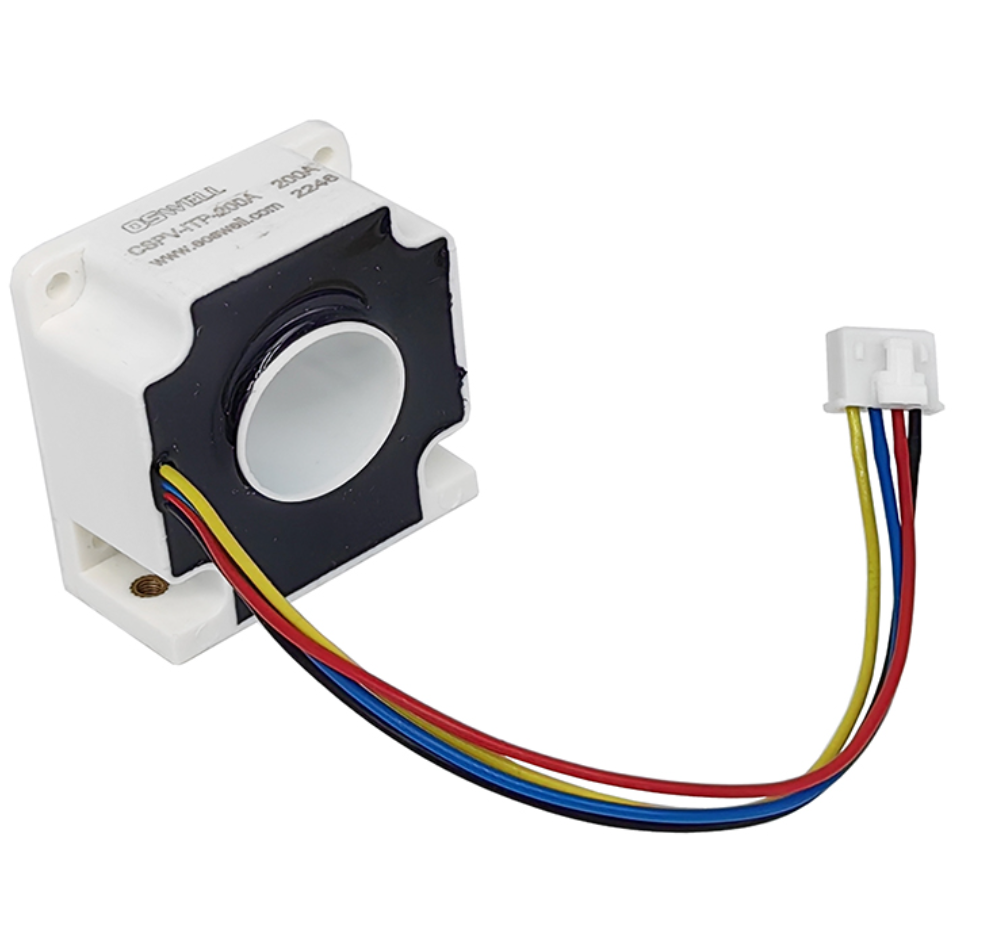
The ultimate value of advanced PQ analysis lies not in identifying problems, but in enabling solutions and ensuring compliance. Data from high-precision transducers feeds into sophisticated software that performs root cause analysis, distinguishing between utility-side and customer-side issues. For instance, precise harmonic magnitude and phase data can pinpoint a specific variable frequency drive as the pollution source. This accuracy is indispensable for designing and validating mitigation equipment like active harmonic filters or dynamic voltage restorers, ensuring they are correctly tuned and sized. Furthermore, regulatory bodies and interconnection standards (e.g., for connecting a solar farm or a large industrial plant to the grid) have strict power quality compliance limits for harmonics, flicker, and rapid voltage changes. Verifying compliance requires measurement data of certified accuracy, traceable to national standards. High-precision transducers, especially those characterized and tested for PQ applications, provide the measurement certainty needed for these legal and contractual verifications. They move the role of monitoring from passive recording to active grid management. By providing a trustworthy picture of the true electrical environment, they empower engineers to transition from reactive troubleshooting to predictive maintenance and resilience planning, optimizing asset life and preventing unplanned downtime. In this context, the transducer is the critical enabler of a smarter, more reliable, and efficient power system.
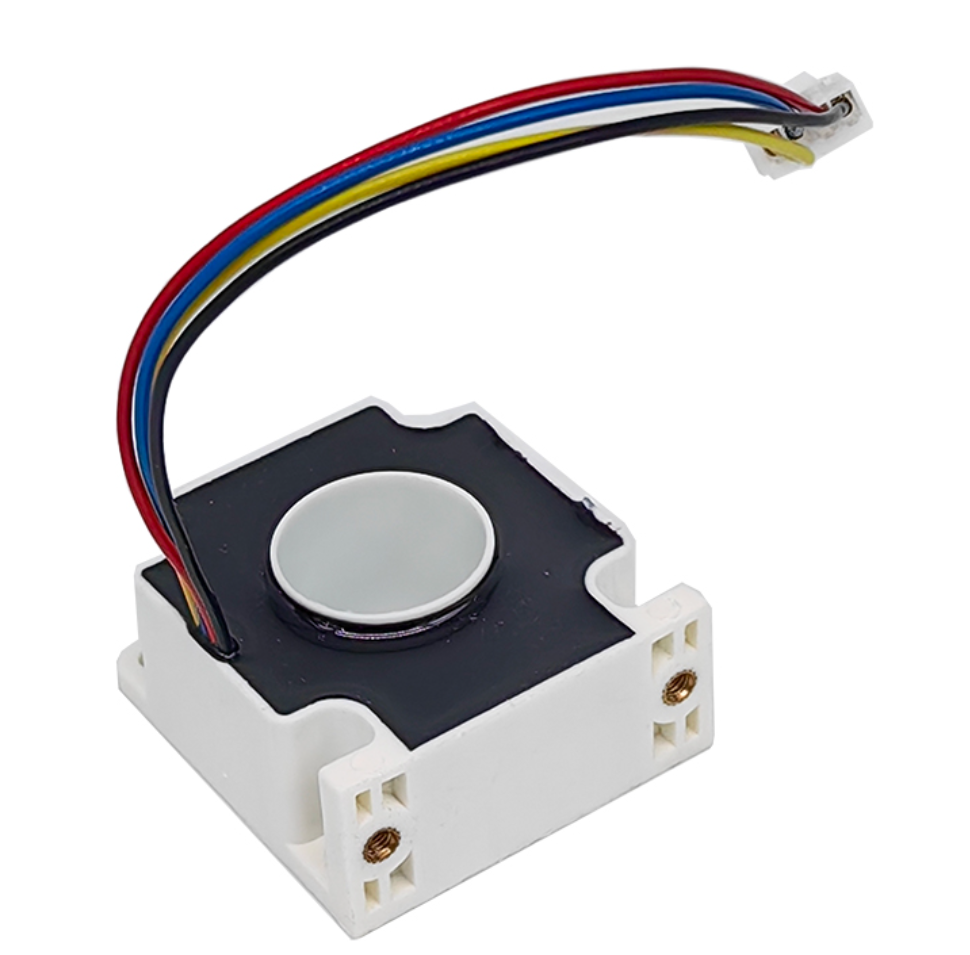
High-precision current transducers are far more than simple current-measuring devices; they are the essential data-acquisition front end for sophisticated power quality analysis. By providing accurate, high-fidelity current signals with wide bandwidth, low phase error, and excellent linearity, they form the foundation upon which disturbances are not only detected but also accurately quantified, analyzed, and understood. This precise measurement capability transforms raw grid data into actionable intelligence, enabling effective disturbance mitigation, ensuring compliance with stringent standards, and facilitating a shift towards proactive and predictive grid management. Investing in such high-performance sensing technology is, therefore, a strategic imperative for ensuring the stability, efficiency, and long-term reliability of modern electrical power systems in an era of increasing grid complexity and sensitivity.