How Precision Current Measurement Improves Battery Energy Storage System Performance
How Precision Current Measurement Improves Battery Energy Storage System Performance
The rapid growth of renewable energy has increased the demand for advanced battery energy storage systems (BESS). As solar and wind power become more widely integrated into modern energy networks, efficient energy storage and management technologies have become essential for maintaining power stability and improving energy utilization.
Within every high-performance battery energy storage system, accurate current measurement plays a critical role. Precision current sensors and shunt resistors provide real-time electrical data that helps optimize charging and discharging processes, improve battery safety, and extend system lifespan.
For energy storage manufacturers, system integrators, and procurement teams, selecting reliable current measurement components is an important step toward developing efficient and stable energy storage solutions.
1. The Importance of Accurate Current Measurement in Battery Energy Storage Systems
Battery energy storage systems operate through continuous charging and discharging cycles. During these processes, electrical current changes frequently depending on energy demand, renewable energy generation, and grid conditions.
Accurate current measurement allows the Battery Management System (BMS) to monitor energy flow and make intelligent decisions. By collecting precise current data, the system can evaluate battery status, control charging speed, and optimize energy distribution.
In large-scale energy storage applications, even small measurement errors can affect system efficiency and battery performance. Incorrect current information may lead to inaccurate state-of-charge estimation, inefficient energy usage, or unnecessary stress on battery cells.
Precision current measurement technology helps solve these challenges by providing reliable data for:
Battery state monitoring
Charging and discharging control
Energy efficiency optimization
Battery protection management
System performance analysis
As energy storage systems become larger and more complex, high-accuracy current measurement components have become essential for achieving stable and reliable operation.
2. How Precision Shunt Resistors and Current Sensors Improve Energy Storage Efficiency
Precision shunt resistors and current sensors are widely used in battery energy storage systems because they provide accurate and stable current monitoring solutions.
Shunt resistors measure current by detecting the voltage difference across a low-resistance element. This technology offers high accuracy, fast response, and excellent stability, making it suitable for applications requiring precise battery monitoring.
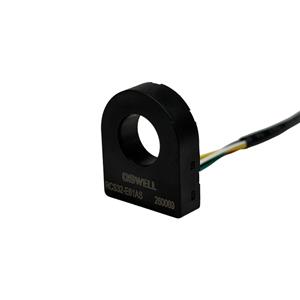
Current sensors provide another important measurement solution, especially in systems requiring flexible installation, electrical isolation, or real-time monitoring capabilities. Depending on system requirements, different sensing technologies can be selected to achieve optimal performance.
For energy storage manufacturers, several key factors should be considered when selecting current measurement components:
Measurement Accuracy:
High precision helps the BMS accurately evaluate battery conditions and improve energy management strategies.
Thermal Stability:
Energy storage systems often operate continuously for long periods. Components must maintain stable performance under temperature changes and high current conditions.
Long-Term Reliability:
Storage systems are designed for many years of operation, requiring components with consistent quality and durability.
Customization Capability:
Different storage systems have different voltage levels, current ranges, and installation requirements. Professional suppliers can provide customized measurement solutions according to specific applications.
By selecting suitable current measurement components, manufacturers can improve system efficiency, reduce operational risks, and enhance the overall value of energy storage solutions.
3. Future Trends of Energy Storage Systems and Intelligent Measurement Technology
The future of energy storage will be closely connected with renewable energy development, smart grids, and intelligent energy management systems. As more countries increase investment in clean energy infrastructure, the demand for advanced battery storage solutions will continue to grow.
Next-generation energy storage systems will require more accurate monitoring capabilities to support applications such as:
Solar energy storage
Wind power integration
Grid stabilization
Industrial energy management
Electric vehicle charging networks
These applications require measurement components that can deliver accurate, stable, and reliable performance under different operating conditions.
For global energy storage manufacturers and system integrators, working with experienced current measurement suppliers can provide significant advantages. Professional suppliers can support product customization, technical optimization, and long-term supply stability.
As the world moves toward a cleaner and more intelligent energy future, precision current measurement technology will continue to play a vital role in improving battery energy storage system performance and reliability.
Conclusion
Precision current measurement technology is a key factor in improving battery energy storage system performance. By providing accurate and reliable electrical data, current sensors and shunt resistors help optimize battery operation, improve safety, and increase energy efficiency. For energy storage manufacturers and procurement teams, selecting high-quality measurement components and experienced suppliers is essential for developing reliable and future-ready energy solutions.