How Shunt Resistor Accuracy Impacts EV Battery Performance and Safety
How Shunt Resistor Accuracy Impacts EV Battery Performance and Safety
The Heart of the BMS – Shunt Resistors as the Core Sensor for Measurement
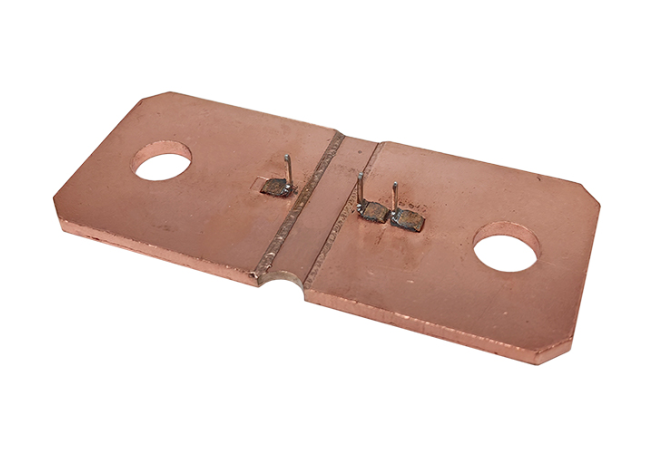
The Battery Management System (BMS) is the brain of an Electric Vehicle (EV), responsible for monitoring, protecting, and optimizing the high-voltage battery pack. At the very core of its monitoring capability lies a seemingly simple component: the shunt resistor. This precision component, often referred to as a current sense resistor or BMS shunt resistor, is the primary sensor for measuring the charge and discharge current flowing in and out of the battery. Its fundamental principle is based on Ohm's Law (V=IR): the current passing through the resistor generates a small, proportional voltage drop across it, which is then measured by the BMS's analog-to-digital converter. The accuracy of this measured voltage, and consequently the calculated current, is directly and critically dependent on the inherent precision and stability of the shunt resistor itself. Any error in the resistor's tolerance or changes in its resistance due to temperature coefficient of resistance (TCR) or long-term drift translate directly into errors in reported current. In the high-stakes environment of an EV, where every amp and volt matters, this makes the shunt resistor the unsung hero—or potential weak link—in the entire energy management chain, directly influencing State of Charge (SOC) estimation, State of Health (SOH) monitoring, and ultimately, the operational envelope of the battery.
Cascading Effects of Inaccuracy – From Range Anxiety to Thermal Runaway
The impact of shunt resistor inaccuracy is not isolated; it cascades through nearly every critical function of the BMS, with significant consequences for both performance and safety. Firstly, inaccurate current measurement directly corrupts Coulomb counting, the primary method for calculating the State of Charge (SOC). An underestimated current will over-report the remaining battery capacity, risking unexpected range anxiety and stranding. Conversely, an overestimated current leads to under-reporting capacity, unnecessarily limiting vehicle range and performance. Secondly, it impairs the accuracy of internal resistance measurement, a key indicator of State of Health (SOH). This can delay the detection of cell degradation, impacting battery longevity and residual value. Most critically, inaccuracies can compromise safety protection functions. The BMS relies on precise current data to enforce charge and discharge current limits. An inaccurate shunt could allow potentially dangerous overcurrent conditions to go undetected, leading to excessive heat generation. Similarly, for passive cell balancing, incorrect current measurement can result in ineffective balancing, exacerbating cell mismatch. Over time, these errors contribute to increased stress, accelerated aging, and in the worst-case scenario, can increase the risk of thermal runaway. High-precision, low-TCR shunt resistors, like those produced by specialists such as Oswell E-Group using stable alloys like Manganin, are engineered to minimize these risks by providing the BMS with a dependable and truthful "window" into the battery's real-time condition.
Engineering for Trust – Key Specifications of a High-Performance BMS Shunt
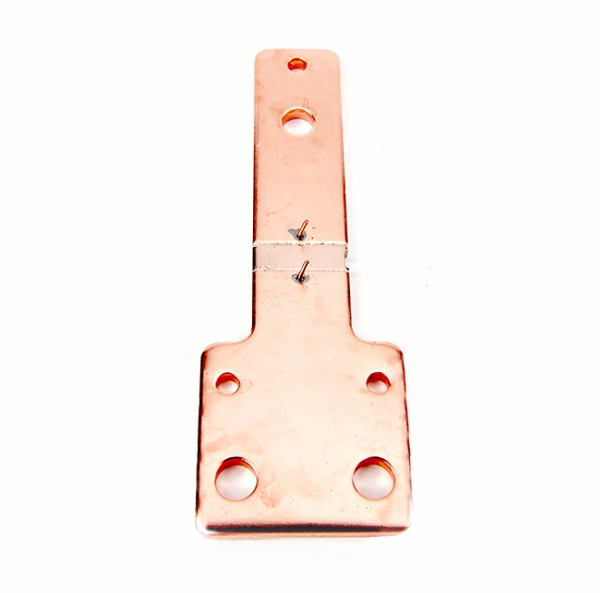
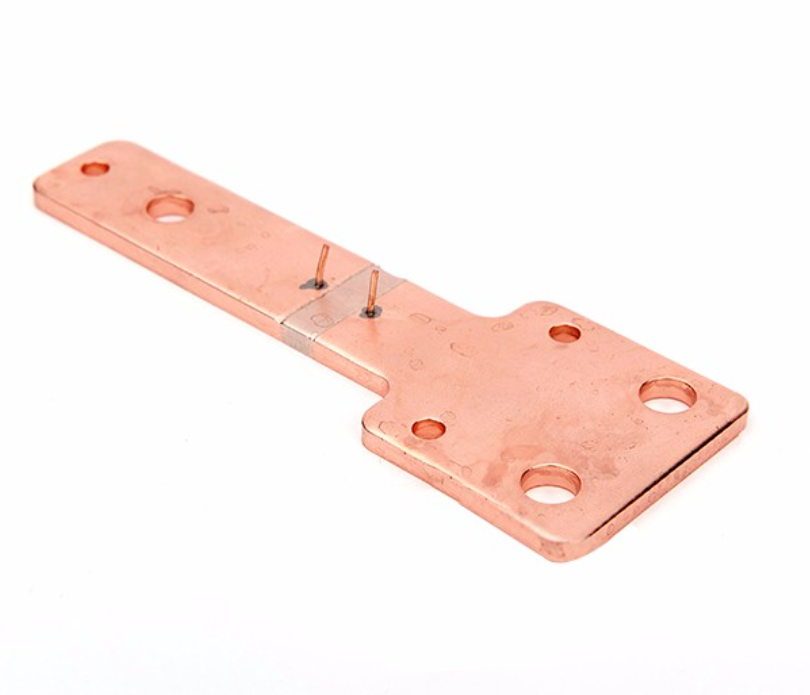
Selecting the right shunt resistor is therefore a critical engineering decision. It is not merely a resistor, but a precision measurement instrument integrated into a high-power, thermally challenging environment. Several key specifications define its suitability for BMS applications. Low Tolerance (e.g., ±0.5% or better) ensures initial measurement accuracy. An extremely Low Temperature Coefficient of Resistance (TCR) is paramount, as battery pack temperatures can vary widely; a resistor with high TCR will introduce significant measurement errors as it heats up from the very current it's measuring. High Power Rating and excellent thermal stability are non-negotiable to handle high pulse currents without permanent resistance shift. The four-terminal (Kelvin) connection design, a hallmark of precision shunts, is essential to eliminate measurement errors caused by lead and contact resistance. Furthermore, the long-term stability of the resistor alloy ensures accuracy is maintained over the vehicle's lifetime, resisting drift from thermal cycling and mechanical stress. Manufacturers like Oswell E-Group address these stringent demands by specializing in precision metal strip shunts. They employ stable Manganin or Constantan alloys, advanced welding and bonding techniques for low thermal EMF connections, and robust construction to ensure that accuracy is not a theoretical spec but a reliable, in-situ performance characteristic. This engineering rigor provides the foundation for trustworthy BMS algorithms, enabling accurate range prediction, optimal fast-charging protocols, and robust safety protection.
The shunt resistor, though small and often overlooked, plays an outsized role in the EV ecosystem. Its accuracy is the foundational data point upon which battery performance optimization and critical safety interventions are built. Inaccurate current sensing can lead to unreliable range estimates, accelerated battery degradation, and, in extreme cases, compromise vehicle safety. Investing in a high-precision, stable, and robustly engineered BMS shunt resistor, such as those from dedicated manufacturers, is not a cost but a strategic investment. It is an investment in driver confidence, vehicle performance, battery longevity, and above all, the fundamental safety that enables the widespread adoption of electric mobility. Precision in measurement is, therefore, the first and most crucial step towards a safe and efficient electric future.