How Smart Energy Meters Improve Electricity Management in Modern Buildings
How Smart Energy Meters Improve Electricity Management in Modern Buildings
With the increasing demand for energy efficiency and sustainable development, modern buildings are becoming more intelligent and connected. Traditional electricity management methods are no longer sufficient to meet the needs of commercial buildings, industrial facilities, and smart infrastructure.
Smart energy meters provide a powerful solution by enabling real-time electricity monitoring, accurate energy measurement, and intelligent consumption management. Through advanced measurement components such as current transformers, current sensors, and communication modules, smart meters help building operators understand energy usage patterns and improve overall efficiency.
For smart meter manufacturers, building automation companies, and electrical equipment procurement teams, selecting reliable measurement components is essential for developing efficient and future-ready energy management systems.
1. The Growing Importance of Smart Energy Meters in Modern Buildings
Buildings consume a significant amount of global energy, making efficient electricity management a major priority for businesses and facility operators. Smart energy meters help transform traditional power monitoring into an intelligent energy management process.
Unlike conventional meters that only provide basic energy consumption information, smart meters can collect and transmit detailed electricity data in real time. This allows building operators to analyze energy usage, identify waste, and optimize power distribution.
Smart energy meters support important functions including:
Real-time electricity monitoring
Energy consumption analysis
Peak demand management
Remote meter reading
Energy efficiency optimization
By providing accurate electrical data, smart meters allow companies to make better decisions about energy usage. This is especially valuable for large commercial buildings, factories, data centers, and smart facilities where energy costs represent a significant operational expense.
For manufacturers, the performance of smart meters depends heavily on the quality of internal measurement components. Accurate current measurement technology is essential for ensuring reliable energy monitoring results.
2. How Current Measurement Components Improve Smart Building Energy Management
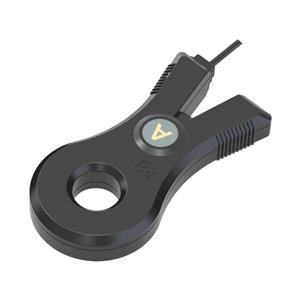
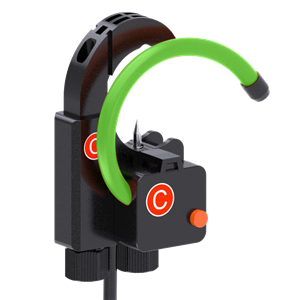
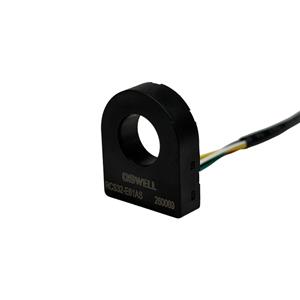
Behind every reliable smart energy meter are advanced electrical measurement components that capture accurate information about power consumption. Current transformers and current sensors play a critical role by measuring electrical current safely and precisely.
Current transformers are commonly used in smart meter applications because they can measure high current levels while providing electrical isolation and stable performance. Current sensors provide additional advantages in applications requiring faster response and more flexible integration.
These measurement technologies help smart buildings achieve:
More accurate electricity measurement
Better energy monitoring
Improved equipment management
Reduced energy waste
Enhanced operational efficiency
For example, in commercial buildings, smart meters can monitor electricity consumption across different areas, helping facility managers identify inefficient equipment or unnecessary power usage.
In industrial facilities, accurate measurement data allows companies to optimize production processes and improve energy efficiency. For renewable energy systems integrated into buildings, smart meters help monitor energy generation and consumption balance.
When selecting measurement components, procurement teams should consider several important factors:
Measurement Accuracy:
High precision ensures reliable energy data and improves management decisions.
Long-Term Stability:
Smart meters are designed for long-term operation, requiring components that maintain consistent performance.
Environmental Adaptability:
Components must operate reliably under different temperature and installation conditions.
Customization Capability:
Professional suppliers can provide solutions based on different meter designs and application requirements.
3. Future Trends of Smart Building Energy Management and Metering Technology
The future of building energy management will be driven by digitalization, automation, and intelligent control systems. As buildings become smarter, the demand for accurate and connected energy measurement solutions will continue to increase.
Future smart energy meter applications will include:
Smart building automation
Renewable energy integration
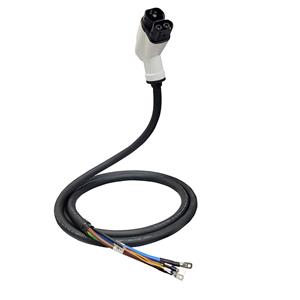
Electric vehicle charging management
Energy storage optimization
Cloud-based energy monitoring platforms
These developments require measurement components that can provide accurate data, stable performance, and reliable communication capabilities.
For smart meter manufacturers and global buyers, partnering with experienced electrical component suppliers can improve product reliability and accelerate innovation. Suppliers with expertise in current transformers, current sensors, and precision measurement technologies can provide valuable technical support throughout product development.
As the demand for energy efficiency continues to grow, smart energy meters will become an essential technology for creating more sustainable, intelligent, and cost-effective buildings.
Conclusion
Smart energy meters are transforming the way modern buildings manage electricity consumption. By combining advanced measurement components with intelligent monitoring technologies, smart meters help improve energy efficiency, reduce operational costs, and support sustainable development. For smart meter manufacturers and procurement teams, selecting reliable current measurement components and experienced suppliers is essential for creating advanced energy management solutions for the future.