How Smart Meter Components Support the Development of Modern Smart Grids
How Smart Meter Components Support the Development of Modern Smart Grids
The global power industry is undergoing a major transformation as traditional electricity networks evolve into smarter, more efficient, and more connected systems. Smart grids are becoming an essential part of modern energy infrastructure by enabling real-time monitoring, intelligent power distribution, and improved energy management.
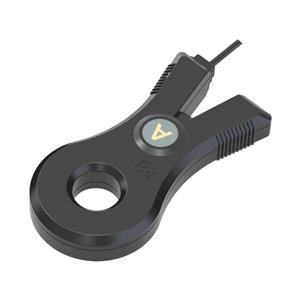
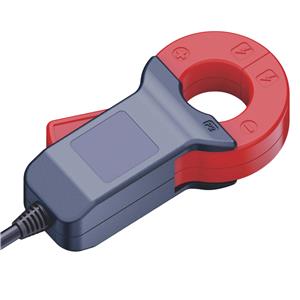
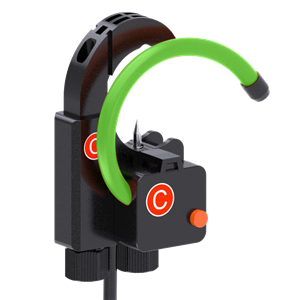
At the core of smart grid development are advanced smart meter systems and high-performance electrical measurement components. Components such as current transformers, current sensors, precision measurement modules, and communication-related devices provide the accurate data required for efficient electricity management.
For smart meter manufacturers, utility companies, and electrical component procurement teams, selecting reliable measurement components is essential for building stable and intelligent energy networks that can meet future power management requirements.
1. The Growing Importance of Smart Meter Components in Smart Grid Development
Smart grids rely on accurate and real-time electricity data to improve the way energy is generated, distributed, and consumed. Unlike traditional electricity networks that mainly provide one-way power delivery, smart grids enable two-way communication between utilities and energy users.
Smart meters are key devices connecting users with modern power networks. They collect detailed information about electricity consumption, voltage conditions, and current flow, allowing utilities to better understand energy usage patterns and optimize grid operation.
Behind every reliable smart meter system are high-quality electrical measurement components. Current transformers and current sensors play an important role by accurately measuring electrical current while maintaining safety and stability.
These components help smart meter systems achieve:
More accurate electricity measurement
Real-time energy monitoring
Improved grid stability
Better demand management
Reduced energy waste
As smart grid projects expand globally, the demand for reliable smart meter components continues to increase. Manufacturers need components that can provide consistent performance over long operating periods while meeting strict accuracy requirements.
2. How Current Measurement Components Improve Smart Meter Accuracy and Reliability
Accuracy is one of the most important requirements for smart meter applications. Since electricity measurement directly affects billing, energy management, and grid analysis, measurement errors can create significant operational challenges.
Current transformers and current sensors help solve this challenge by providing precise electrical measurement signals. These components allow smart meters to safely monitor current levels and convert electrical information into usable data for monitoring and control systems.
For utility companies and smart meter manufacturers, several performance factors are especially important when selecting components:
Measurement Accuracy:
High-precision components help ensure reliable electricity measurement and improve the overall performance of smart meter systems.
Long-Term Stability:
Smart meters are usually installed for many years, requiring components that can maintain consistent performance under different environmental conditions.
Safety Performance:
Reliable current measurement components help protect measurement systems when dealing with different voltage and current conditions.
Customization Capability:
Different smart meter designs may require different electrical parameters, installation structures, and technical specifications. Suppliers with customization capabilities can provide solutions that better match customer requirements.
For procurement teams, selecting an experienced electrical component supplier is not only about product quality but also about ensuring long-term supply reliability and technical support.
3. Future Trends of Smart Meter Technology and Intelligent Energy Networks
The future development of smart grids will be closely connected with digital technology, renewable energy integration, and intelligent energy management. As electricity systems become more complex, the demand for accurate measurement and monitoring solutions will continue to grow.
Future smart meter systems will support advanced applications such as:
Real-time energy monitoring
Renewable energy management
Distributed energy resource control
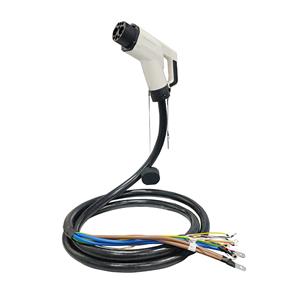
Electric vehicle charging management
Energy storage optimization
These applications require measurement components with higher accuracy, stronger reliability, and better adaptability. Current transformers, current sensors, and precision measurement technologies will continue to play an important role in supporting intelligent energy networks.
For global smart meter manufacturers and energy system developers, partnering with experienced component suppliers can help accelerate product development and improve market competitiveness.
As the world moves toward cleaner and smarter energy systems, advanced smart meter components will remain a fundamental technology supporting the next generation of smart grids.
Conclusion
Smart meter components are essential building blocks for modern smart grid development. By providing accurate, reliable, and real-time electrical measurement data, current transformers, current sensors, and precision measurement components help utilities improve energy efficiency, optimize power distribution, and build smarter energy networks. For smart meter manufacturers and global procurement teams, choosing reliable component suppliers is a key step toward creating future-ready energy solutions.