How To Balance Accuracy, Isolation, And Cost In Modern Metering And Power Sensing Designs
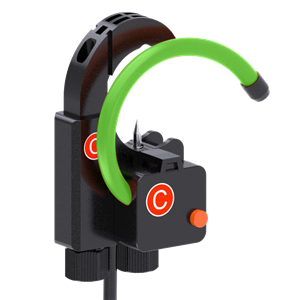
Modern power sensing projects almost always face the same three-way tension: accuracy, isolation, and cost. Improve one, and another can become harder to control. Hall-effect sensing improves isolation and reduces insertion loss. Shunt sensing can improve cost and precision in the right range, but introduces heat. CTs can deliver strong AC metering accuracy with isolation, but bring burden and phase considerations. Rogowski coils can simplify installation but require the right signal processing. Good buyers understand that cost cannot be optimized before the architecture is clear.
Accuracy Should Be Defined By The Application, Not By Preference
If the application is billing, revenue-grade monitoring, or fine power analysis, phase behavior and long-term drift matter a lot more than headline current range. If the application is rough monitoring or protection trend visibility, the optimal cost balance may be different. Buyers should define the measurement purpose first; otherwise they risk overpaying for unnecessary precision or underbuying for a serious metering task.
Isolation Has A Cost, But So Does Not Having It
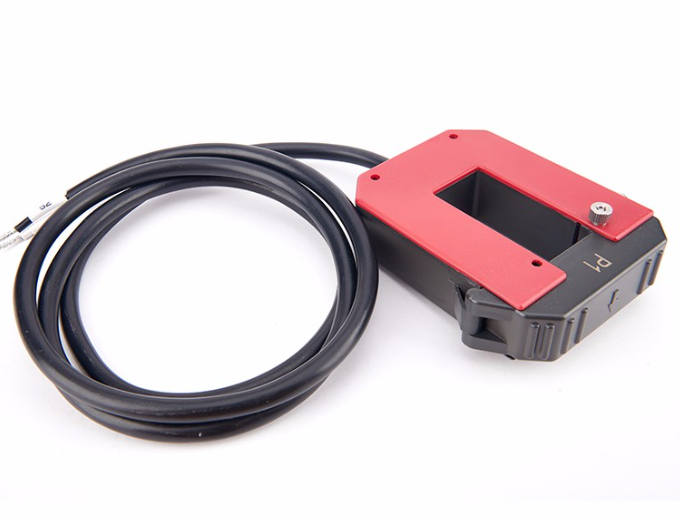
Isolation is not free, but缺少隔离的代价也并不低。 Hall sensors and CTs can simplify safe measurement in higher-voltage environments. Shunt-based solutions may still be the best choice in low-voltage or tightly controlled architectures, but they often need more care in layout, thermal design, and safety planning. Buyers should compare the full safety and integration cost, not only the sensing element.
The Cheapest Design Is Often The One That Needs Less Correction Later
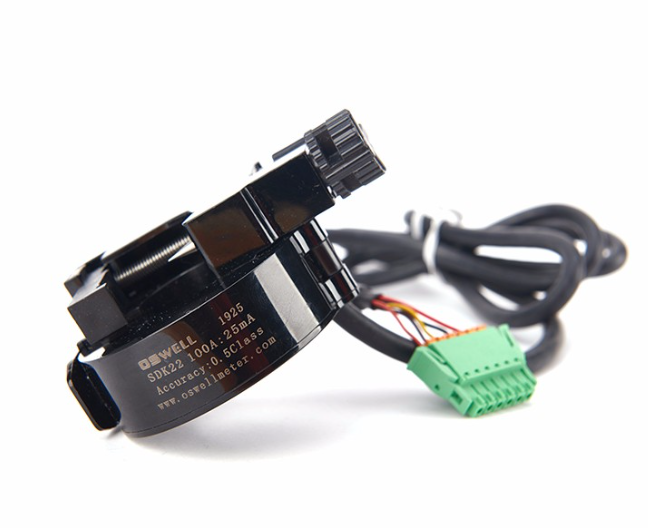
A design that needs less calibration, less compensation, less thermal rework, and less interface correction usually wins in real life. This is why low-drift magnetic sensors, proper CT burden matching, and careful shunt layout can all be cost-saving decisions, even when the initial component price is not the lowest. The true balance point is where accuracy is sufficient, isolation is appropriate, and the overall system remains economically maintainable.
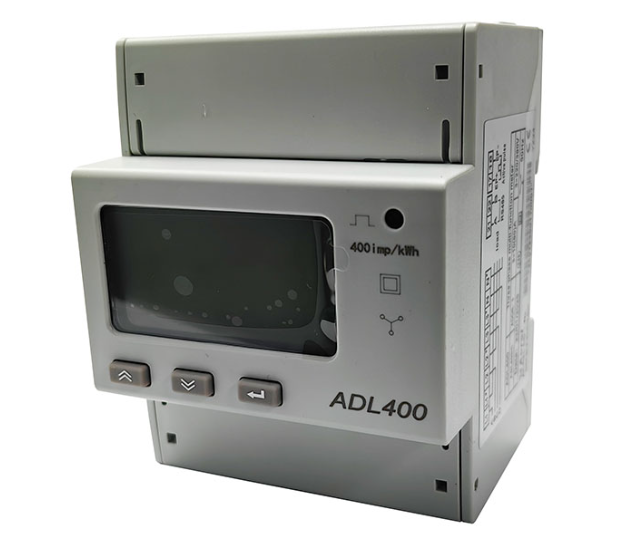
Balancing accuracy, isolation, and cost is not about finding the cheapest component. It is about finding the architecture that avoids unnecessary loss, unnecessary risk, and unnecessary rework.