How To Check If A Miniature Transformer Fits Smart Meter And Control Systems
A miniature transformer may look like a small component on a BOM, but in smart metering and control systems it directly affects measurement accuracy, signal stability, isolation safety, and long-term system behavior. A good fit is not only about whether the transformer can “work.” It is about whether the current transformer or voltage transformer matches the meter input, control logic, burden, wiring method, and environmental conditions of the final application. In practical metering design, CT burden selection can change measurement error and nonlinearity, phase mismatch can create noticeable energy-reading error at low power factor, and the meter itself often requires the correct CT/VT primary-secondary settings and wiring topology to function as intended.
Check Ratio, Burden, Accuracy, And Phase Error First
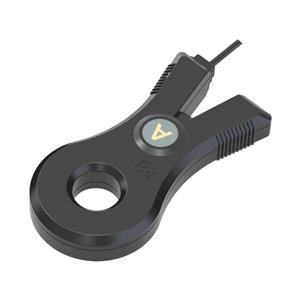
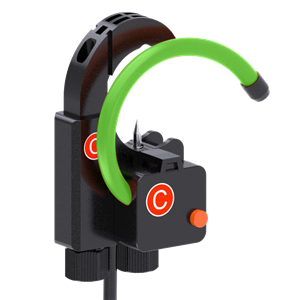
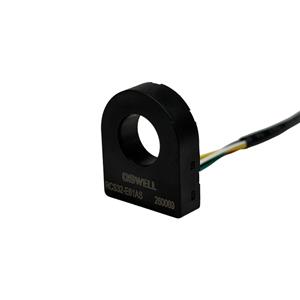
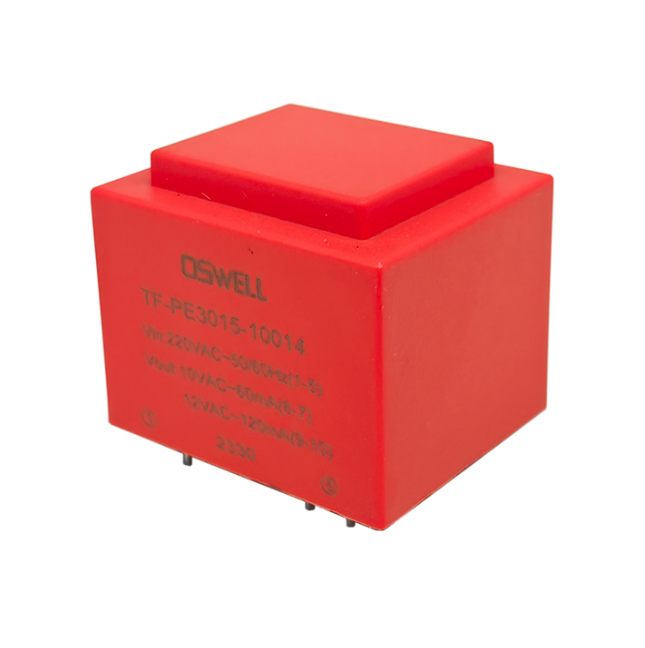
The first step is to confirm whether the miniature transformer matches the electrical measurement range of the application. For a miniature CT, buyers should check primary current range, turns ratio, output level, and the burden used at the secondary side. TI notes that as burden resistance increases, magnetic impedance draws more current and can increase measurement error and nonlinearity. VAC also shows that with an external burden resistor, the usable current range and phase error change together, which means ratio selection and burden selection should always be evaluated as a pair, not separately.
For a miniature VT, the same logic applies on the voltage side. The transformer must match the system voltage, meter input expectation, and the burden characteristics of the connected electronics. Schneider Electric’s metering documentation distinguishes between voltage transformers used for high-accuracy voltage measurement and those intended for lower-burden, high-impedance electronic devices such as PLC modules or similar monitoring electronics. That matters because a control system may read voltage correctly in a lab setup but lose expected performance if the VT’s burden and accuracy class do not match the actual input stage.
Accuracy alone is still not enough. Buyers should also check phase error, especially if the miniature transformer will be used for power or energy measurement rather than only rough monitoring. Analog Devices notes that in metering applications, phase mismatch between voltage and current channels becomes especially important at low power factor, and even a phase shift as small as 0.1° can translate to 0.3% energy-reading error at a power factor of 0.5. In other words, a miniature transformer may look acceptable on a ratio table, but if its phase behavior is not suitable for the meter architecture, the final reading quality can still suffer.
Check Wiring Topology, Meter Input Settings, And Control-System Compatibility
The second step is to check whether the miniature transformer fits the actual system architecture, not just the standalone component specification. Real meters and controllers are configured around specific wiring types and transformer connections. Schneider Electric’s PM2200 meter manual shows that meter setup can require the correct power-system type, VT connection method, VT primary and secondary values, CT terminal assignment, CT primary and secondary values, and line frequency. That means a miniature transformer is only a good fit when its ratio, secondary format, and intended connection align with the meter’s configurable input structure.
This is particularly important in projects that cross between smart metering and industrial control. A miniature transformer that works in a meter may not automatically fit a control panel, PLC-based monitor, or protection relay if the signal format, burden, wiring count, or insulation expectations are different. On the VT side, Schneider specifically points out that some compact voltage transformers are optimized for low-burden applications and high-impedance electronic devices, while others are intended for heavier metering burdens. On the CT side, VAC highlights compact 50/60 Hz energy-meter CTs with low phase and amplitude error over a wide temperature range and current ranges suited to meter-class sensing. Matching the transformer to the actual input stage is therefore a system-level decision, not a catalog exercise.
Safety and connection behavior also matter. Weidmüller’s installation guidance warns that operating a CT secondary circuit open can create high voltages that are dangerous for people and harmful to functional reliability. For buyers, this means fit is not only about electrical reading performance. It also includes whether the control-system design prevents open-secondary conditions, whether the transformer can be mounted and wired safely, and whether polarity, terminal layout, and service access suit the final installation. A miniature transformer that is theoretically accurate but awkward or unsafe in real wiring is not a good fit.
Check Size, Environment, Calibration Potential, And Long-Term Stability
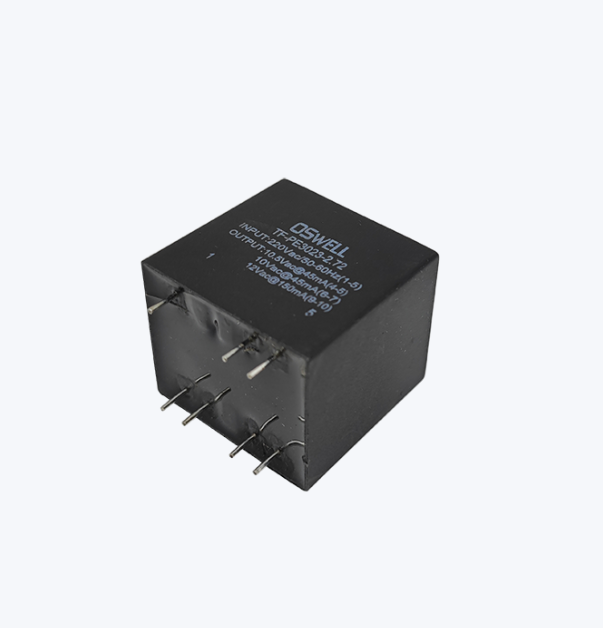
The third step is to verify whether the miniature transformer can remain stable after integration into the final product. Physical size, mounting style, insulation spacing, and polarity marking all influence whether it can be assembled consistently in smart meters and compact control systems. Schneider’s metering catalog emphasizes that compact transformers can be chosen differently depending on whether the application prioritizes high accuracy, low burden, or easy mounting. That means procurement decisions should include mechanical fit and installation practicality from the beginning, especially where PCB space, enclosure height, and terminal accessibility are limited.
Environmental stability is just as important as mechanical fit. VAC states that its energy-meter CTs are designed for low phase and amplitude error over a wide temperature range, and its precision CT information shows that current range and phase error depend on burden selection. In practice, this means buyers should not rely only on room-temperature sample behavior. They should verify whether the miniature transformer maintains acceptable error, phase behavior, and repeatability across the temperature range and load conditions of the final installation.
Finally, buyers should think about calibration and field life. VAC notes that with proper error compensation and calibration, its precision CT can be suitable for meter applications under IEC 62053-22. Schneider’s metering manual also explains that meter accuracy testing is commonly performed by applying stable voltage and current signals and comparing readings to a reference device or energy standard. This means a good miniature transformer is not simply one with nice nominal values. It is one that can be calibrated effectively, remain predictable over time, and support the target system’s long-term accuracy goals.
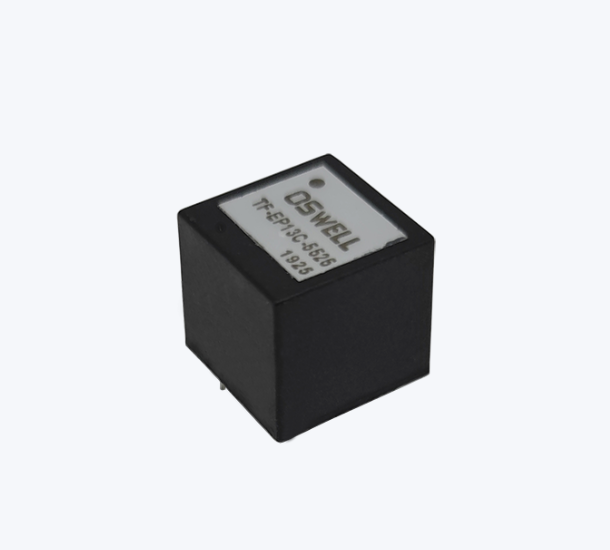
To check whether a miniature transformer fits a smart meter or control system, buyers should evaluate three levels together: electrical fit, system fit, and lifecycle fit. Electrical fit covers ratio, burden, accuracy, and phase behavior. System fit covers wiring topology, CT/VT settings, input compatibility, and safe connection behavior. Lifecycle fit covers physical integration, temperature performance, calibration potential, and long-term stability. When all three levels align, the miniature transformer becomes more than a component choice—it becomes a lower-risk decision for the entire product.