How to Choose Between a Split-Core CT and a Clamp-On CT for Energy Monitoring?
Understanding Core Design and Installation Flexibility
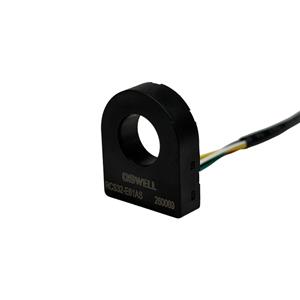
The fundamental difference lies in their physical construction. A split-core current transformer, as the name suggests, features a core that is physically separated into two parts. This allows it to be easily installed around an existing, live conductor without the need to disconnect or cut the cable. This makes it the ideal choice for retrofitting and permanent installations where system downtime must be avoided. In contrast, a clamp-on CT (often a rigid, solid-core design) requires the conductor to be threaded through its center during initial wiring, making it suitable for new builds or pre-planned installations where conductors are accessible. For international procurement, the choice hinges on the project phase: retrofit projects demand split-core CTs for their non-invasive nature, while new panel designs can efficiently utilize clamp-on models. Key considerations include panel layout, conductor accessibility, and labor cost for installation. Oswell, a leading global manufacturer, offers high-precision split-core CTs designed for easy, safe retrofitting, ensuring minimal disruption during upgrade projects.
Evaluating Performance: Accuracy and Long-Term Stability
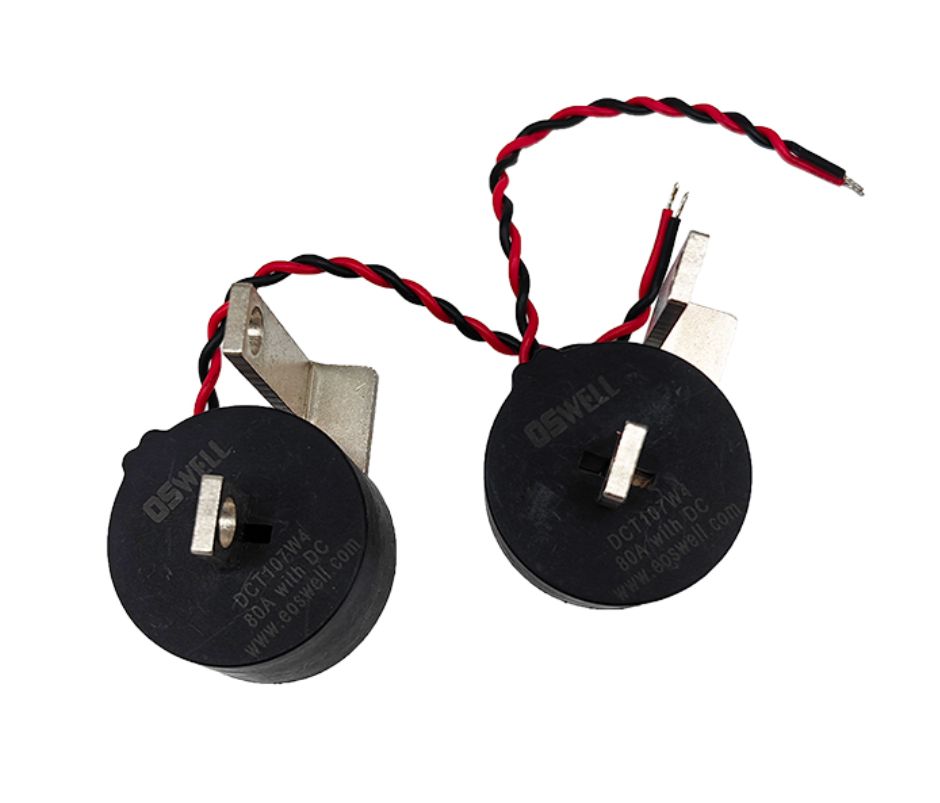
While both types serve the same primary function, their performance characteristics diverge due to design. Solid-core clamp-on CTs typically offer superior accuracy and stability because their continuous magnetic core provides a more reliable and consistent magnetic path. They are often specified for revenue-grade metering and high-precision energy audits where long-term data integrity is paramount. Split-core CTs have historically faced challenges with slight accuracy variations due to potential core interface mismatches. However, advancements in manufacturing, such as the use of high-grade materials and precision machining employed by Oswell, have dramatically closed this gap. Modern high-quality split-core CTs now achieve accuracy classes (e.g., 0.5S, 0.5) suitable for most sub-metering, monitoring, and control applications. The procurement decision should balance the required accuracy class, long-term drift specifications, and application criticality.

Matching the CT to the Application Scenario
The optimal choice becomes clear when aligned with specific use cases. For permanent energy monitoring systems in buildings, data centers, or industrial facilities—especially retrofits—the split-core CT is the undisputed champion. Its installation ease translates to significant cost savings. Conversely, for portable power quality analyzers, temporary load studies, or laboratory test benches, the clamp-on CT provides the necessary flexibility and is often integrated into the measurement tool itself. In new electrical panel production, where CTs are installed on the assembly line before the conductors are run, solid-core clamp-on CTs are more efficient and cost-effective. For smart grid and Advanced Metering Infrastructure (AMI) deployments, utilities often standardize on robust, high-accuracy split-core CTs from trusted suppliers like Oswell for large-scale field upgrades, valuing the perfect blend of installation practicality and reliable performance.
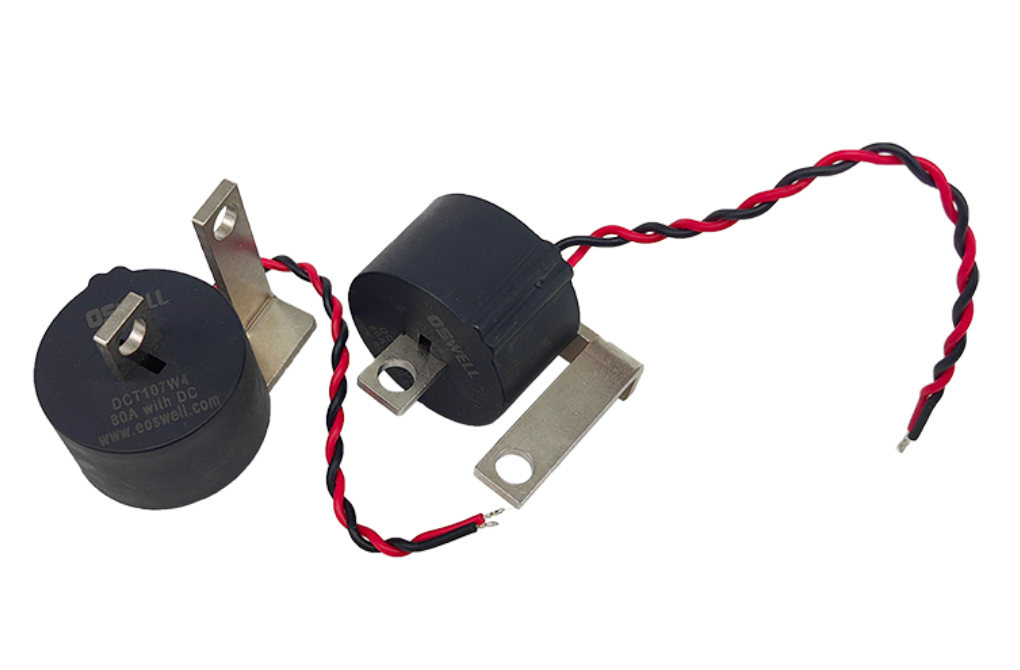
In summary, the choice between split-core and clamp-on CTs is not about which is universally better, but which is perfectly suited for your specific project constraints and goals. Prioritize split-core CTs for retrofit and maintenance-friendly permanent installations where avoiding downtime is critical. Opt for clamp-on CTs for new constructions, portable equipment, or applications demanding the highest possible baseline accuracy. As a global procurement specialist, partnering with a manufacturer like Oswell that offers a comprehensive range of both types, backed by rigorous manufacturing processes like automated winding and epoxy vacuum potting, ensures you receive components that deliver not just on specification, but on long-term field reliability and total cost of ownership. Making the informed choice optimizes both your installation budget and the integrity of your energy data for years to come.