How To Choose The Right Combination Of Relays, Sensors, And Transformers For Energy, EV, And Storage Applications
Energy systems, EV charging, and energy storage do not ask the same questions, even when they use similar parts. Smart metering leans heavily on CT/VT scaling and latching relay switching logic. EV charging and storage often push harder on isolation, DC current measurement, fast fault response, and thermal performance. TI’s recent metering references explicitly span residential meters, AC/DC charging stations, sub-meters, and related infrastructure, while Hall and fluxgate references focus on isolated current measurement for higher-voltage environments. The right component combination therefore depends on the application category first, and only then on individual specifications.
For Energy Metering, Prioritize Accuracy Chain And Switching Duty
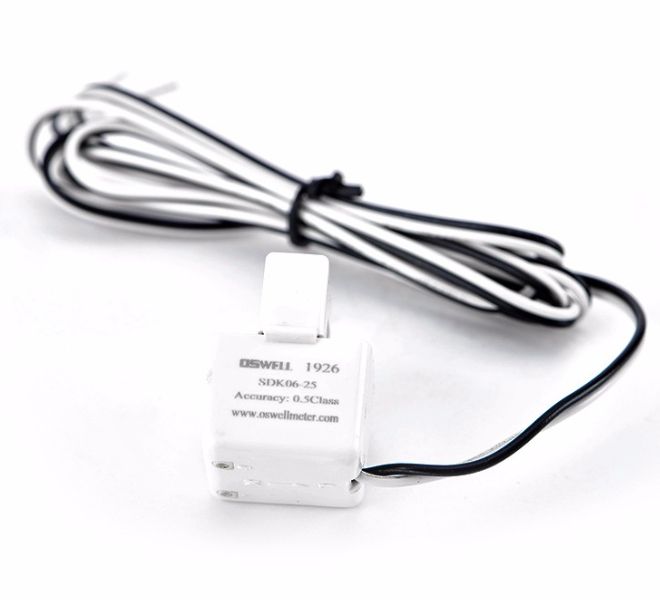
In energy metering, CT or shunt choice, VT scaling, and relay switching duty must support consistent billing-grade or monitoring-grade performance. Latching relays matter where disconnect or load control is required. CTs remain highly relevant where accurate AC measurement and isolation are needed. The right combination is usually one that keeps the metrology path stable and the disconnect path reliable.
For EV And Storage, Prioritize Isolation, DC Capability, And Thermal Headroom
In EV charging and storage, Hall-effect or fluxgate sensors often become more attractive because they support isolated AC/DC current sensing and reduce the insertion losses associated with resistive sensing. Shunt solutions may still be appropriate in controlled low-voltage sections or BMS current paths, but they demand careful thermal design and layout. Relay choice also shifts, because charging and storage switching demands can differ from classic smart-meter switching. Buyers should treat EV and storage as higher-stress power electronics systems, not just metering systems with bigger currents.
The Best Combination Is The One That Minimizes Cross-Component Friction
The best relay-sensor-transformer combination is not the most impressive parts list. It is the one with the least interface friction. Outputs match inputs, burden matches metrology, isolation matches safety, and switching behavior matches the real load. Once buyers understand the application class clearly, the right combination becomes much easier to define.
For energy, EV, and storage applications, the right component mix is application-driven, not catalog-driven. Buyers who choose by electrical role, safety need, and lifecycle burden will build systems that are easier to scale and harder to regret.