How To Choose The Right Meter Case For Smart Meter Safety And Durability
How To Choose The Right Meter Case For Smart Meter Safety And Durability
In smart meter design, the meter case is much more than an outer shell. It directly affects electrical safety, mechanical protection, weather resistance, dimensional stability, sealing performance, and long-term product reliability. A poorly selected meter case can create hidden risks in assembly, field installation, insulation protection, and product lifespan. This guide explains how to choose the right meter case for smart meter safety and durability, and what engineers, buyers, and project teams should evaluate before final selection.
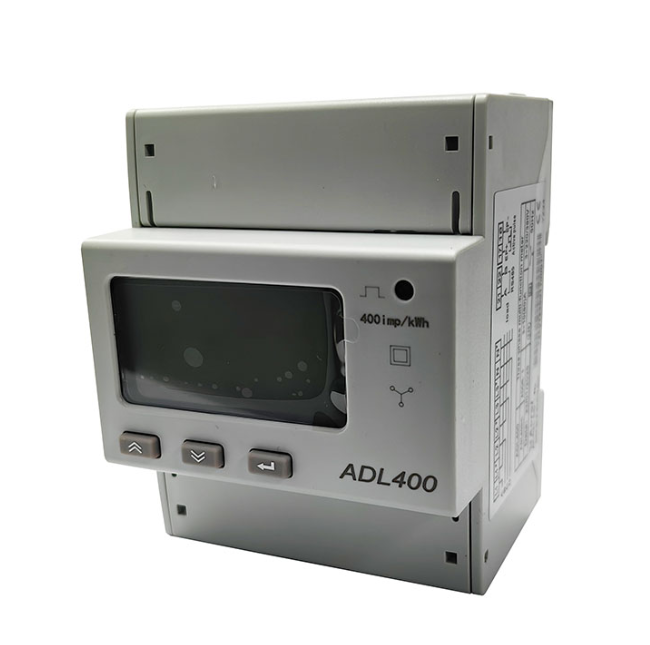
1. Why Meter Case Selection Matters In Smart Meter Applications
A smart meter operates as a complete system, and the meter case is one of the most important parts of that system. It protects the internal components from mechanical impact, dust, humidity, and environmental exposure while also supporting safe insulation structure and reliable installation. If the case is not properly designed or matched to the application, even a well-developed meter can face problems such as enclosure deformation, weak sealing, assembly difficulty, reduced safety margin, or shortened field life.
In many projects, teams pay early attention to CTs, relays, metering ICs, and PCB design, but the housing is sometimes treated as a secondary decision. In reality, the case influences how all those internal components work together. It defines the available layout space, affects heat dissipation behavior, determines terminal and cover arrangement, and plays a major role in installation reliability. For this reason, the meter case should be selected as part of the full smart meter platform, not as a simple packaging item.
Safety is another major reason why meter case selection matters. The housing needs to support insulation confidence, structural stability, and secure protection in real service environments. This becomes especially important in outdoor or semi-outdoor installation conditions where sunlight, humidity, dust, and temperature variation may all affect long-term performance. A case that looks acceptable in short-term evaluation may still create risk if material durability and structural integrity are not strong enough for years of operation.
The best meter case is therefore not simply the lowest-cost enclosure or the most visually polished one. It is the case that supports safe internal integration, durable field use, consistent mass production, and reliable long-term protection for the smart meter system.
2. What Technical Factors Should Be Checked Before Final Selection
The first factor is material performance. The case material should provide adequate mechanical strength, dimensional stability, and resistance to aging under the intended installation conditions. In smart meter applications, the housing often needs to handle daily temperature change, sunlight exposure, possible moisture, and long-term structural stress. A suitable material helps maintain shape stability and reduces the risk of cracking, warping, or degradation over time.
The second factor is safety structure. The meter case should support the required insulation concept and provide reliable protection for internal electrical parts. This includes how the housing separates different functional areas, supports safe cover design, and protects terminals and internal components from accidental external contact. In many markets, enclosure safety is closely tied to product trust and long-term field performance.
Sealing and environmental protection are also important. If the meter is expected to work in outdoor or semi-exposed environments, the housing should be able to resist dust, humidity, and other environmental influences in a stable way. The cover fit, sealing method, and structural precision all contribute to how well the case performs over time. A strong sealing concept helps protect the electronics and supports more stable meter operation in practical installation conditions.
Another key point is dimensional and assembly compatibility. The case must fit the PCB, CT, relay, terminals, display window, and other internal parts without creating unnecessary design compromise. It should also support efficient assembly and repeatable fit during mass production. In smart meter projects, poor tolerance control can increase assembly difficulty, reduce visual consistency, and create hidden stress on internal components.
Finally, teams should review long-term durability and batch consistency. The housing should remain reliable not only in prototype validation, but also in large production volumes and years of field use. A meter case supplier should be able to demonstrate stable molding quality, repeatable dimensions, and consistent material control. This is essential for safety, durability, and overall project stability.
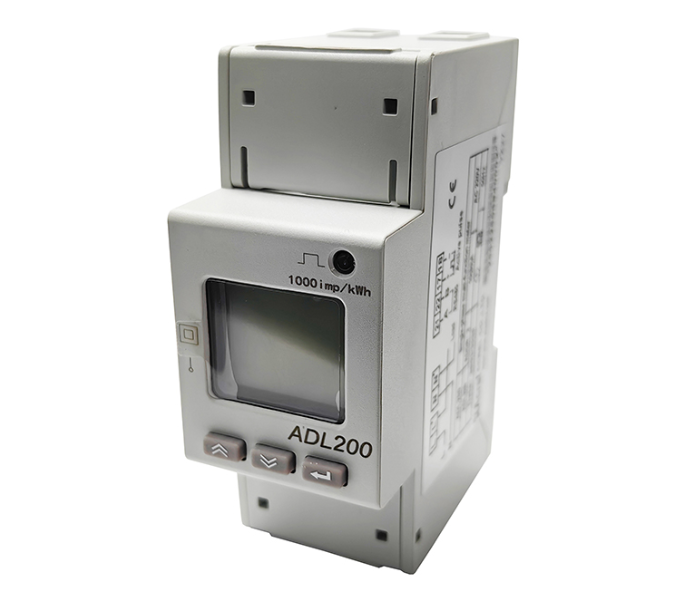
| Selection Factor | Why It Matters | What To Check |
|---|---|---|
| Material Quality | Determines strength, stability, and aging resistance | Mechanical behavior, dimensional stability, long-term durability |
| Safety Structure | Supports insulation and secure component protection | Internal separation, cover design, terminal protection concept |
| Sealing Performance | Protects meter from dust, moisture, and environment | Cover fit, sealing method, enclosure precision |
| Dimensional Fit | Improves internal integration and assembly efficiency | PCB space, terminal position, relay/CT/display layout match |
| Weather / Aging Resistance | Supports long field life in practical conditions | Humidity resistance, sunlight stability, long-term structure retention |
| Batch Consistency | Reduces assembly problems in volume production | Molding precision, dimensional repeatability, material consistency |
3. How To Make A Better Meter Case Decision For Long-Term Projects
A practical meter case decision should start from the actual installation scenario. Project teams should define whether the smart meter will be used indoors, outdoors, in utility applications, or in environments with stronger exposure to heat, humidity, or dust. Once the real field condition is clear, it becomes much easier to determine what level of material durability, sealing confidence, and structural robustness is actually necessary.
It is also important to evaluate the housing together with the complete meter design. The case should work smoothly with internal electronics, terminal blocks, current sensing components, display structure, and installation method. A housing that looks acceptable as an individual part may still create problems if it complicates PCB fitting, increases assembly difficulty, or places stress on other critical components. System-level review is therefore much more effective than judging the enclosure alone.
Supplier capability should be included in the decision as well. In smart meter programs, the housing must deliver consistent quality across many units, not just a small sample run. A capable case supplier should be able to maintain stable molding quality, repeatable dimensions, and reliable material performance from batch to batch. This supports smoother production, better visual consistency, and stronger field confidence.
Another useful consideration is future reliability. Smart meters are expected to operate for long periods, and enclosure performance often becomes more important over time rather than less. Choosing a meter case with stronger durability and structural confidence at the beginning can reduce maintenance risk, improve product reputation, and support better long-term value for the project.
The right meter case is therefore the one that fits the safety goal, environmental exposure, internal structure, and mass-production requirements of the smart meter. A more application-based decision process leads to better durability, stronger protection, and more reliable meter performance over the full product life cycle.
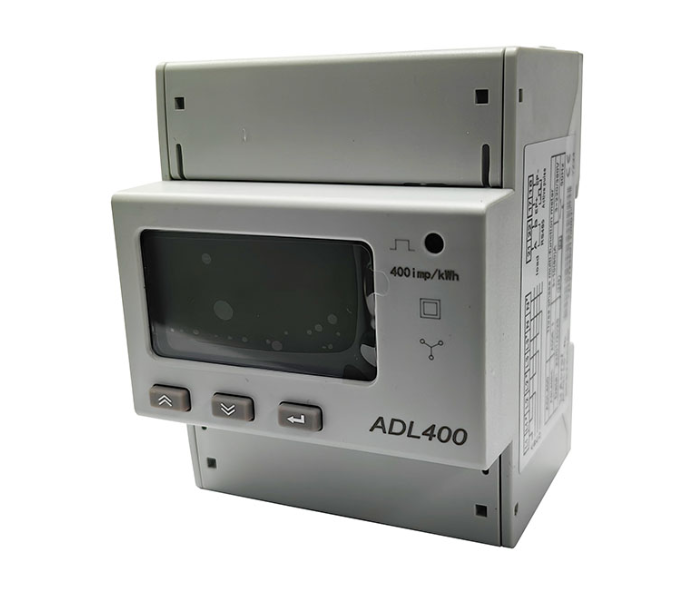
Conclusion
Choosing the right meter case for smart meter safety and durability requires more than comparing shape or cost. The right housing should support insulation confidence, material stability, sealing reliability, dimensional integration, and consistent large-scale production quality. When safety structure, environmental durability, internal fit, and supplier capability are evaluated together, smart meter developers can make a stronger enclosure decision. This helps reduce long-term field risk, improve assembly efficiency, and support more reliable meter performance throughout the product life cycle.
Contact Us
Looking for the right meter case for your smart meter project? Contact our team to discuss housing selection, application fit, and stable supply support.