How To Evaluate Long-Term Operating Stability When Buying Electrical Components
When purchasing electrical components for smart metering, energy storage, EV charging, power monitoring, or battery management systems, long-term operating stability is often more important than the initial quotation or even the first sample result. A component may perform well in a short test, yet still create hidden risks after months of temperature cycling, current loading, switching frequency changes, or continuous field operation. For procurement teams, judging long-term stability means looking beyond basic specifications and asking whether the product can keep its electrical performance, structural integrity, and functional consistency over time. This decision directly affects system reliability, maintenance cost, replacement frequency, warranty pressure, and project reputation.
Performance Stability Starts With Accuracy, Thermal Control, And Material Reliability
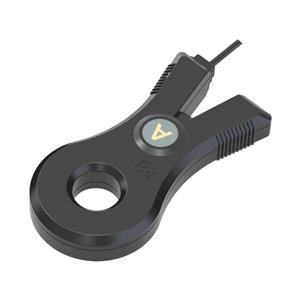
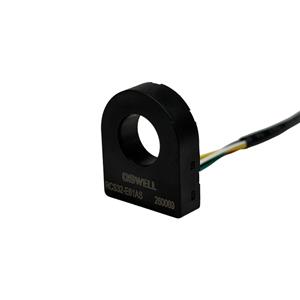
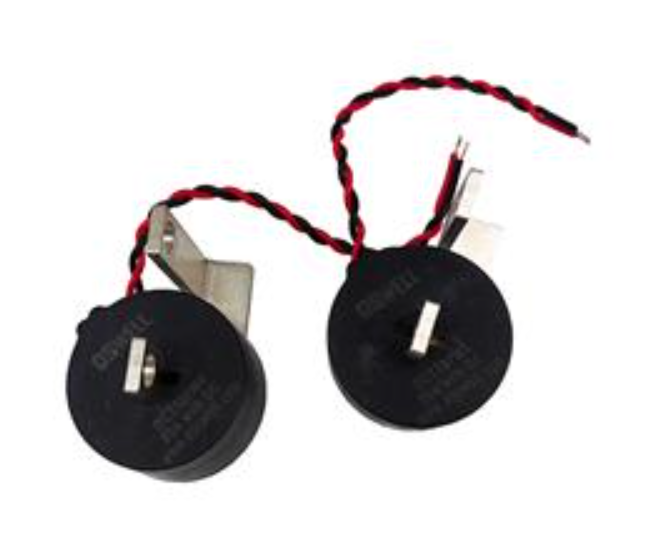
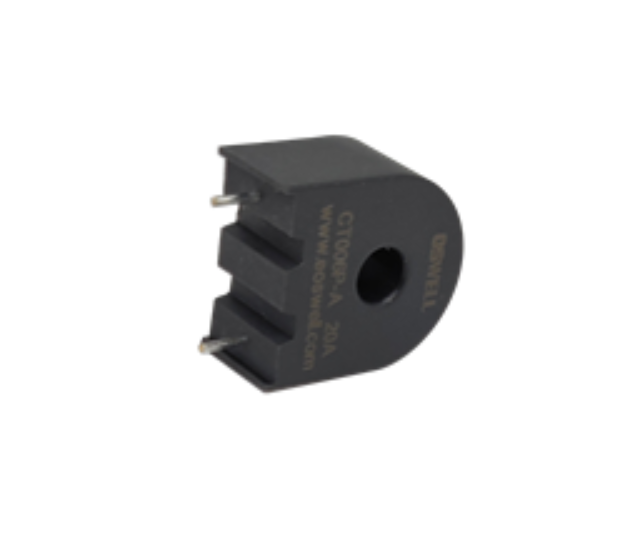
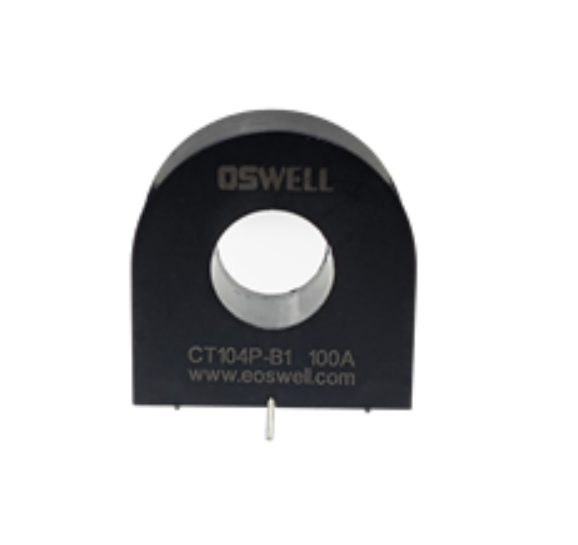
Long-term stability should first be judged from the product’s ability to maintain key performance indicators over time. For current transformers, this may mean stable accuracy class, low phase error, and reliable insulation behavior. For shunt resistors, the focus is often resistance tolerance, temperature rise, drift control, and current endurance. For Hall sensors and latching relays, response consistency, switching reliability, and sensitivity retention are equally critical. The real question is not whether the product works today, but whether it can still work within the required range after repeated electrical and thermal stress.
Temperature is one of the most common reasons why stability problems appear later in actual use. A product that looks acceptable at room temperature may begin to drift under high current, enclosed cabinet heat, outdoor climate change, or continuous duty cycles. That is why procurement decisions should pay close attention to thermal design, temperature coefficient, insulation performance, and resistance to heat aging. If a component is expected to work in energy systems, metering cabinets, charging units, or battery packs, thermal performance should never be treated as a secondary issue.
Material selection is another major indicator of long-term reliability. Conductive materials, magnetic cores, contact alloys, insulating plastics, soldering quality, and sealing methods all influence whether a component remains stable over time. Even when two products appear similar on paper, differences in material grade and internal structure can lead to major gaps in field performance. In many projects, premature failure does not come from dramatic design mistakes, but from gradual drift, fatigue, or degradation caused by materials that are only adequate for short-term use.
Real Stability Must Be Verified By Life Testing, Environmental Testing, And Batch Consistency
A stable product should be supported by evidence, not assumptions. Procurement teams should look for data from endurance tests, thermal cycling tests, humidity tests, overload tests, switching life tests, and aging procedures. These test results are valuable because they show how the product behaves under repeated stress, not just in a one-time sample check. For electrical components used in metering, BMS, charging, or power control, the ability to survive real operating conditions matters more than a perfect-looking initial sample.
Batch consistency is equally important. One of the biggest purchasing risks is that the sample performs well, but the mass order behaves differently. Long-term stability is not only a product issue, but also a process issue. Stable tooling, controlled raw materials, repeatable assembly methods, calibrated test equipment, and clear quality checkpoints all contribute to consistency from batch to batch. If batch deviation is not controlled, even a technically good design can become a field problem later.
Testing should also match the real application. For example, if the component will be installed in a battery system, then vibration, current cycling, temperature fluctuation, and mechanical connection stability all deserve attention. If the product will be used in smart metering or utility equipment, then long-term measurement accuracy, insulation stability, and low drift over time become more important. The best evaluation is never based on generic claims alone. It should be connected to the actual working environment, service life expectation, and risk level of the final system.
Long-Term Stability Should Be Evaluated Through Failure Risk, Maintenance Cost, And System Impact
From a purchasing point of view, long-term stability is ultimately a risk management issue. A component with unstable long-term behavior may not fail immediately, but it can increase calibration drift, false readings, heat buildup, switching failure, or intermittent system faults. These problems can be expensive because they often trigger field diagnosis, replacement labor, downtime, and customer complaints. In critical applications, the real cost of instability is usually far higher than the difference in unit price.
That is why stability should always be connected to total operating value. A lower-priced product may seem attractive during quotation review, but if it creates more failures, more maintenance, or shorter service life, it will increase the total cost of ownership. Procurement decisions should compare not only the purchase cost, but also the expected service life, replacement interval, warranty exposure, and potential project risk. A product with better long-term stability often saves money not because it is cheaper to buy, but because it is more predictable to use.
Finally, long-term stability should be judged as part of the full system, not in isolation. Electrical components operate inside real equipment, not only in laboratory conditions. Mounting method, heat dissipation, connection quality, PCB layout, enclosure design, and operating load all influence long-term performance. A sound purchasing decision therefore asks a bigger question: will this product remain reliable after integration, repeated operation, and real-world aging? If the answer is clear, procurement becomes more confident, field risk becomes lower, and system value becomes stronger over time.
Long-term operating stability should never be judged by initial appearance, short sample testing, or price alone. It should be evaluated through performance retention, thermal behavior, material reliability, life testing, batch consistency, and full-system risk. For procurement teams, the most valuable product is not simply the one that can pass a first test, but the one that can keep working accurately, safely, and consistently throughout the real service life of the project.