How To Evaluate Long-Term Stability Across Current Transformers, Voltage Transformers, Relays, And Shunt Resistors
Long-term stability cannot be judged by a clean sample report alone. CTs can shift with burden and phase behavior, VTs can lose expected accuracy when real burden does not match rating, relays age under electrical duty, and shunt resistors drift under heat and time. Each part fails differently, but the buyer’s question is the same: will the system still perform predictably after years of real operation? Technical references across CT, VT, relay, and shunt technologies all point to that same truth.
Stability Starts With The Right Operating Envelope
Components that run too close to their burden, temperature, or switching limits rarely age gracefully. CTs need the right burden. VTs need the right burden class for the real load. Relays need realistic electrical endurance validation under the intended switching duty. Shunts need the right power rating and thermal headroom. Stability starts with selecting parts that are not forced to live on the edge.
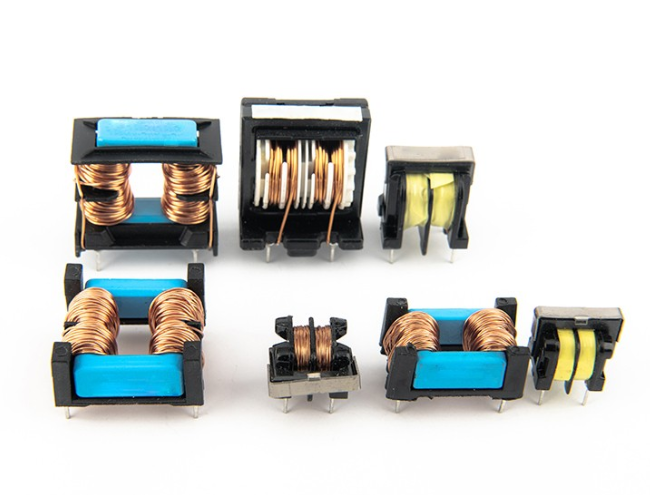
Watch The Parameters That Drift First
Different components reveal aging through different signals. CTs often show metering error through phase or burden-related deviation. VTs show it through burden-related accuracy shift. Relays reveal aging through contact resistance rise, abnormal operating behavior, or endurance loss. Shunts reveal it through TCR influence, thermal EMF, and long-term resistance shift. Buyers should define which of these parameters will be monitored during life validation.
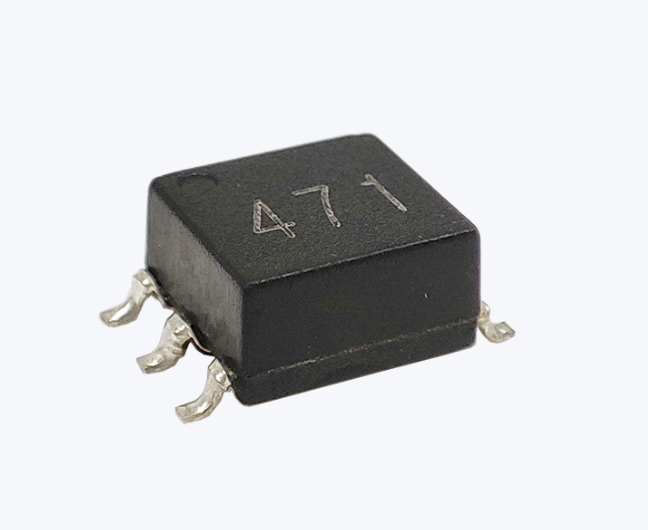
Judge Stability At System Level, Not Only Per Part
A stable component still has to remain stable in its actual system. CTs and VTs depend on receiving burden. Shunts depend on layout. Relays depend on load profile and coil drive. That is why system-level thermal, electrical, and cycling validation matters more than isolated component confidence. A component can pass in theory and still drift in the real product.
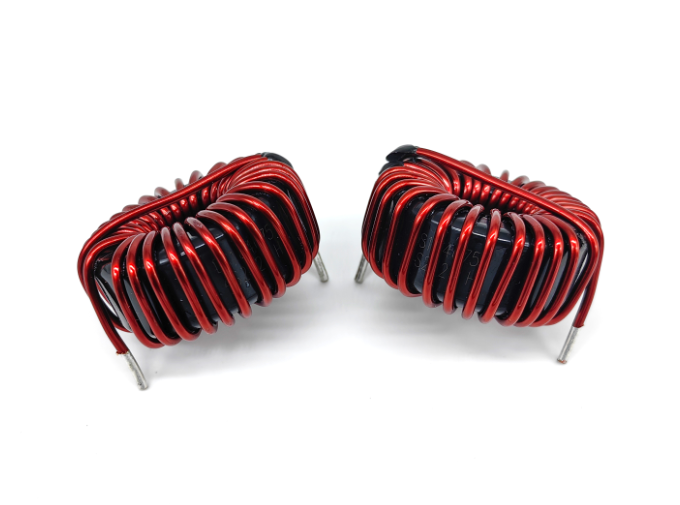
Long-term stability is not one test item. It is a combined result of headroom, drift behavior, and real system integration. Buyers who validate all three reduce lifecycle surprises dramatically.