How To Match Latching Relays, Current Sensors, And Transformers To Smart Meter System Requirements
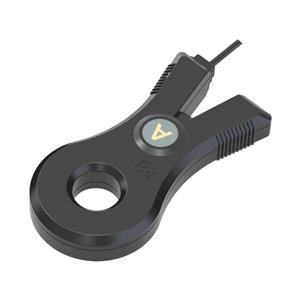
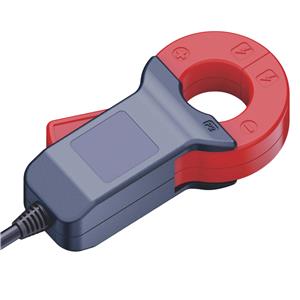
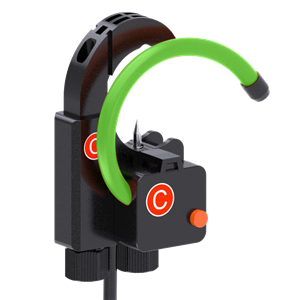
A smart meter is a system, not a single component. If the latching relay, current sensor, and voltage/current transformer are selected independently, the meter may still fail at integration stage. Latching relays used in smart meters are chosen for low holding power and switching capability; current sensors or CTs determine how accurately current is captured; VT/CT settings determine whether the meter scales and displays energy correctly. Public smart-meter relay references and metering design guides show that these parts must be selected together, not one by one.
Start With Meter Architecture And Disconnect Duty
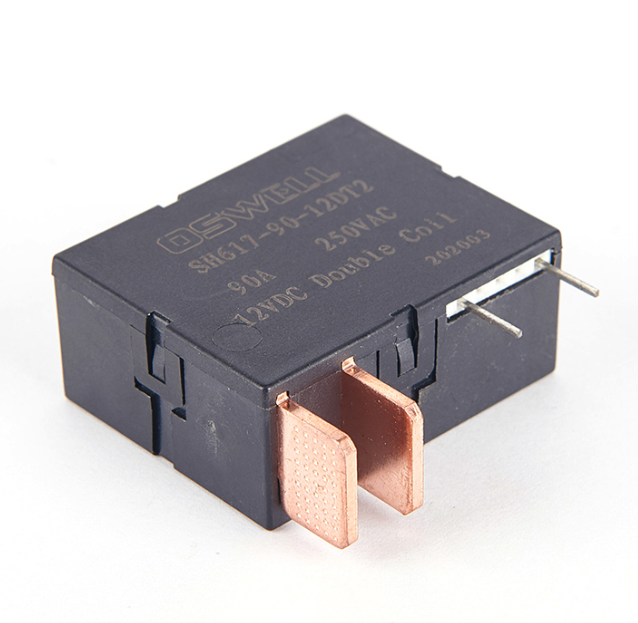
Some smart meters need only accurate metrology, while others also need remote disconnect and stronger switching performance. In that case, relay choice becomes a core architecture decision. Panasonic and Hongfa both describe latching relays for smart meters as low-power switching devices, and some relay references also highlight IEC 62055-31 UC categories for heavier meter switching duty. Buyers should decide early whether the project needs only stable switching, or also more demanding disconnect performance under fault-related or utility-style duty.
Match Sensor And Transformer To Meter Accuracy Target
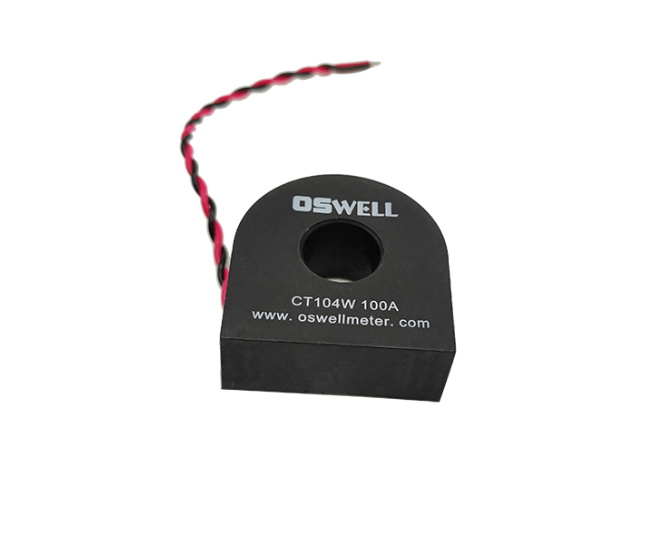
The current path and voltage path must be selected to match the meter’s accuracy target. TI’s e-meter references show CT-based designs achieving high energy measurement performance, while current-sensing notes from TI and Analog Devices show that CT phase shift, burden, and signal-chain design directly affect metering quality. That means a relay with strong switching performance is still not enough if the current path cannot deliver the required metrology quality. Buyers should judge relay, current sensing, and VT/CT selection as one measurement chain.
Verify Integration Logic Before Price Negotiation
A smart meter design works only when the coil drive, set/reset logic, sensor output, meter input scaling, and configuration software all align. Public relay notes show one-coil and two-coil latching structures with different drive expectations, while metering manuals require correct VT/CT programming for accurate display. In practice, system mismatch creates far more cost than a higher component price. Buyers should verify interface logic and commissioning behavior before they negotiate on unit cost.
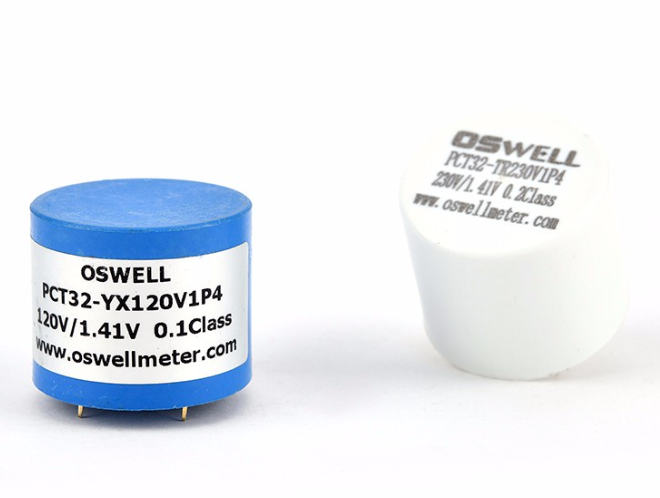
In smart meters, good component matching means relay duty, metrology accuracy, and system configuration all support the same product goal. When these three move together, the design becomes more reliable, easier to commission, and more scalable.