How To Reduce Procurement Risk When Buying Multiple Metering And Power Control Components Together
Procurement risk rises sharply when a project buys relays, transformers, current sensors, and shunt-based sensing parts as separate line items without checking system fit. The more components involved, the more hidden mismatches appear later: wrong secondary output, wrong burden, wrong relay drive logic, wrong scaling, or wrong isolation assumptions. Public metering and sensing references repeatedly show that these products do not work as isolated islands. They work as an interdependent chain.
Build A System-Level Checklist Before RFQ Review
Before comparing quotes, buyers should first map the system: what current is being measured, AC or DC, what voltage is being sensed, whether isolation is required, whether remote disconnect is required, and what the receiving meter or controller expects. This system-level checklist often reveals that some components are not equivalent even if they belong to the same general category.
Validate Interface Points, Not Just Specifications
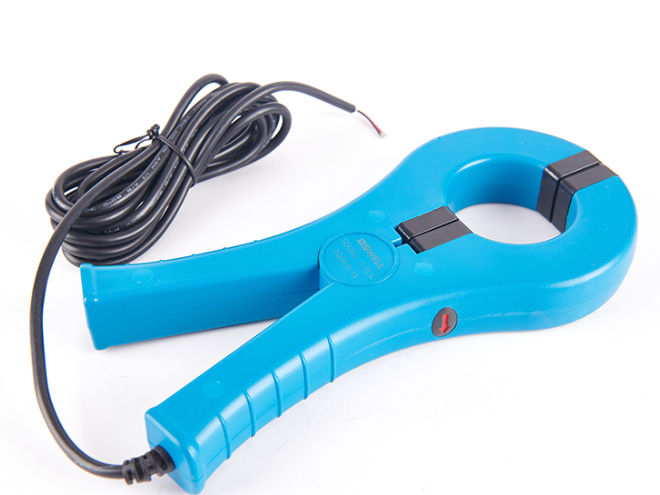
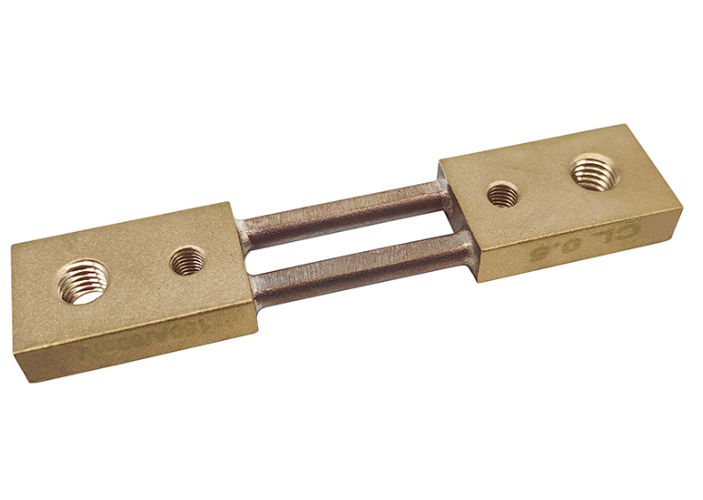
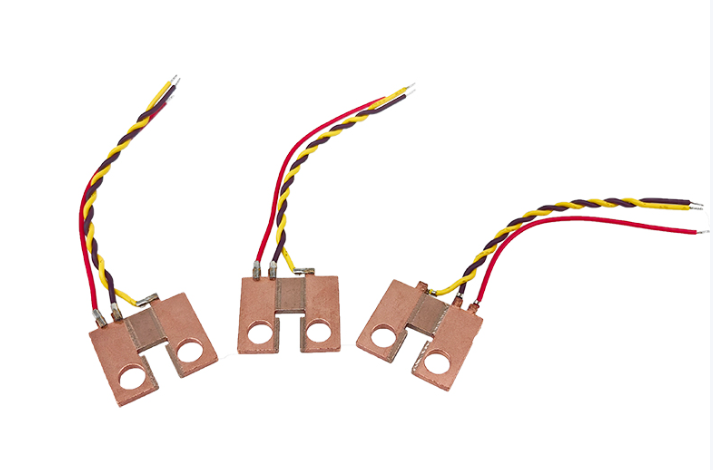
Most project failures happen at the interface points: 333 mV versus 5 A CT output, direct voltage input versus VT-scaled input, one-coil versus two-coil relay driving, four-terminal versus poor-layout shunt sensing. Buyers should demand validation around those interfaces. A datasheet that looks strong in isolation is not enough if the connection logic is wrong.
Reduce Risk By Testing The Full Chain Early
The best way to reduce procurement risk is to test the full measurement-and-control chain early: sensor output to analog front end, VT/CT scaling to meter input, relay drive to actual load, and thermal performance under duty cycle. Early chain testing saves more money than late-stage replacement. It also tells buyers which components are truly interchangeable and which are only superficially similar.
Risk falls when procurement starts from system interfaces, not product names. The more components a project buys together, the more important full-chain validation becomes.