How To Select A Latching Relay That Reduces Smart Meter Failure Risk
How To Select A Latching Relay That Reduces Smart Meter Failure Risk
In smart meter applications, the latching relay is one of the most critical components affecting switching reliability, load control stability, safety behavior, and long-term product durability. A poorly selected relay can increase the risk of contact wear, unstable switching, thermal stress, field failure, and inconsistent batch performance. A well-selected relay, however, helps the meter operate more reliably over time while reducing maintenance risk and after-sales pressure. This guide explains how to choose a latching relay that genuinely reduces smart meter failure risk rather than only meeting a basic catalog rating.
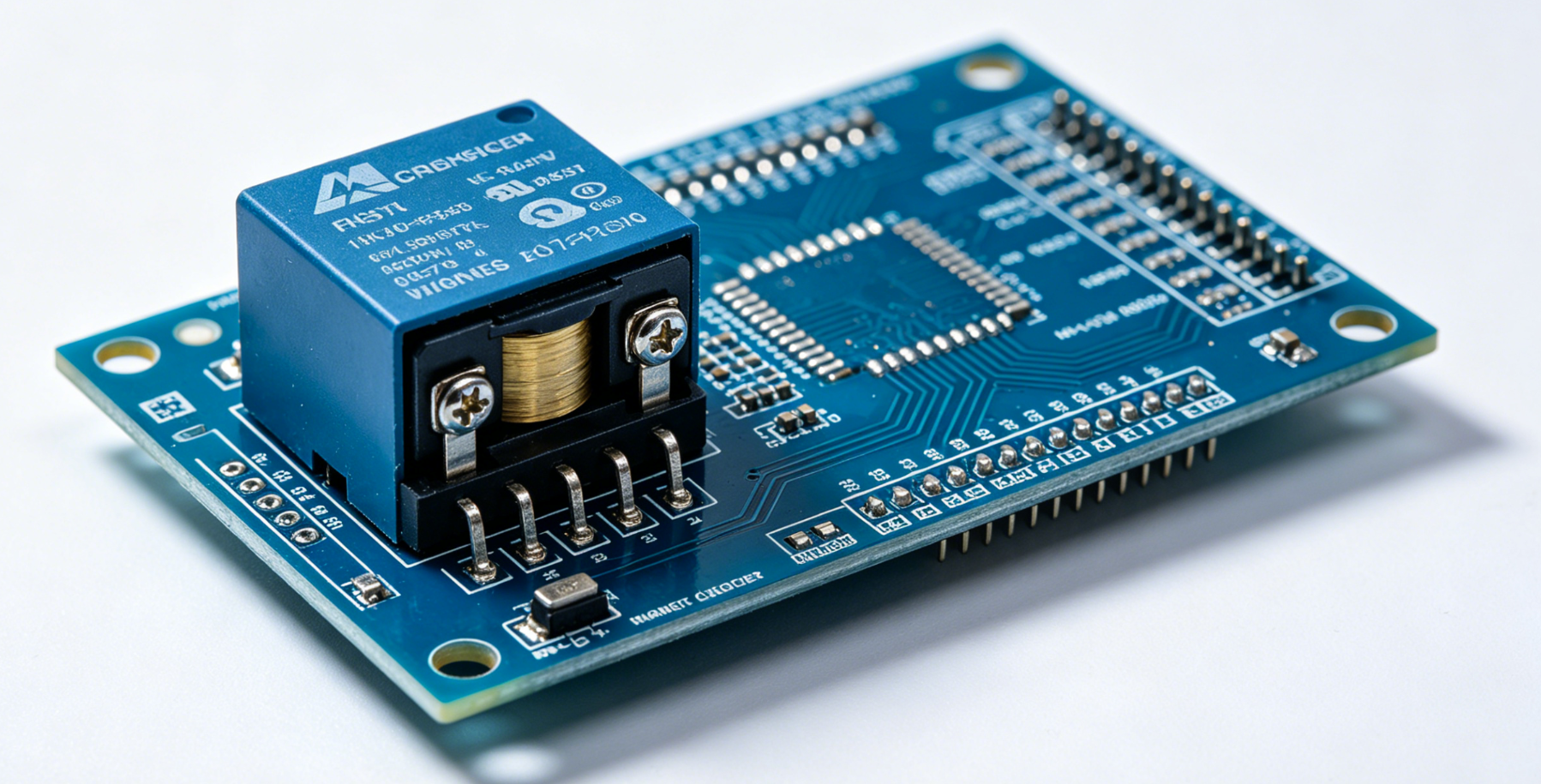
1. Why Latching Relay Selection Has A Direct Impact On Failure Risk
A latching relay is often used in smart meters because it can maintain its switching state without continuous coil power. This supports low internal power consumption and makes it highly suitable for modern metering devices. However, the relay is also responsible for one of the most sensitive actions inside the meter: switching and load control. If that action becomes unreliable, the entire smart meter can be affected.
In real projects, failure risk rarely comes from one dramatic problem at the beginning. More often, it comes from accumulated weakness over time. Contact instability, insufficient switching margin, excessive temperature rise, weak coil actuation behavior, or poor dimensional consistency can gradually lead to performance drift or field failure. These risks may not appear in a simple prototype demonstration, but they often become visible after repeated operation, large-volume production, or long-term service.
Smart meters are expected to operate for long periods in practical environments, sometimes under variable temperature, electrical stress, and repeated switching demands. This means a relay should not be selected only by nominal current rating. It should be chosen according to how reliably it can support the full meter system over time. A relay that looks strong in one parameter but is weak in real operating stability may still increase total failure risk.
The best latching relay is therefore the one that helps the smart meter remain electrically stable, thermally controlled, mechanically consistent, and operationally reliable through both production and field use. This is what truly reduces failure risk.
2. What To Check If You Want To Reduce Failure Risk
The first factor is contact reliability. In smart meter switching and load control, contact behavior is directly related to relay life and field stability. If the contact system is not robust enough, the relay may show increasing resistance, unstable switching, localized heating, or degraded performance after repeated operation. A relay with stronger contact consistency is more likely to reduce long-term failure risk.
The second factor is switching capacity under real conditions. Engineers should not evaluate the relay only by one headline current rating. The actual meter application may include repeated operation, load variation, and switching stress that differs from a simple nominal condition. The relay should have enough practical switching margin to remain stable instead of operating too close to its weak point.
The third factor is coil actuation stability. A latching relay depends on a pulse-driven actuation method, so consistent switching depends on whether the relay responds reliably to the control signal across normal tolerance conditions. If coil response is inconsistent, the smart meter may face uncertain switching states, incomplete operation, or higher control risk. Reliable actuation behavior is one of the most effective ways to prevent hidden switching failure.
Thermal performance is another major concern. Smart meters are compact devices, and the relay operates near other key components such as current sensing parts, voltage sensing circuits, and control electronics. If temperature rise is not well controlled, long-term reliability may suffer. A relay that behaves well thermally can reduce stress on itself and on nearby components, improving overall product durability.
Mechanical and dimensional consistency also matter. In volume production, even a technically acceptable relay can create project-level risk if size, mounting fit, or assembly tolerance vary too much. Poor consistency can increase process difficulty, create unstable soldering or mounting conditions, and affect the final meter structure. Stable manufacturing quality is therefore part of failure-risk reduction, not just a production convenience.
Finally, insulation and structural safety should be reviewed carefully. The relay should support the safety concept of the smart meter and remain stable under the intended electrical environment. A relay that is electrically strong but structurally less reliable may still increase total application risk over time.
| Selection Factor | Why It Reduces Failure Risk | What To Review |
|---|---|---|
| Contact Reliability | Helps prevent unstable switching and long-term degradation | Contact stability, switching consistency, endurance behavior |
| Switching Margin | Reduces overload-related stress and unexpected failure | Real load profile, current stress, operating reserve |
| Coil Actuation Stability | Improves switching confidence and prevents incomplete action | Pulse response, actuation consistency, control compatibility |
| Thermal Behavior | Helps protect relay life and nearby components | Temperature rise, enclosure effect, thermal stability |
| Mechanical Consistency | Reduces assembly variation and structural instability | Size tolerance, mounting fit, production repeatability |
| Insulation / Safety Structure | Supports safe long-term use in smart meter environments | Structural robustness, insulation confidence, application fit |
3. How To Make A Better Relay Decision Before Mass Production
The most practical way to choose a lower-risk latching relay is to begin with the real smart meter use case. Project teams should define the actual load condition, switching frequency, control method, enclosure space, and expected operating environment before selecting the relay. Once these factors are clear, it becomes easier to judge whether a relay will truly support stable long-term performance instead of only matching a catalog description.
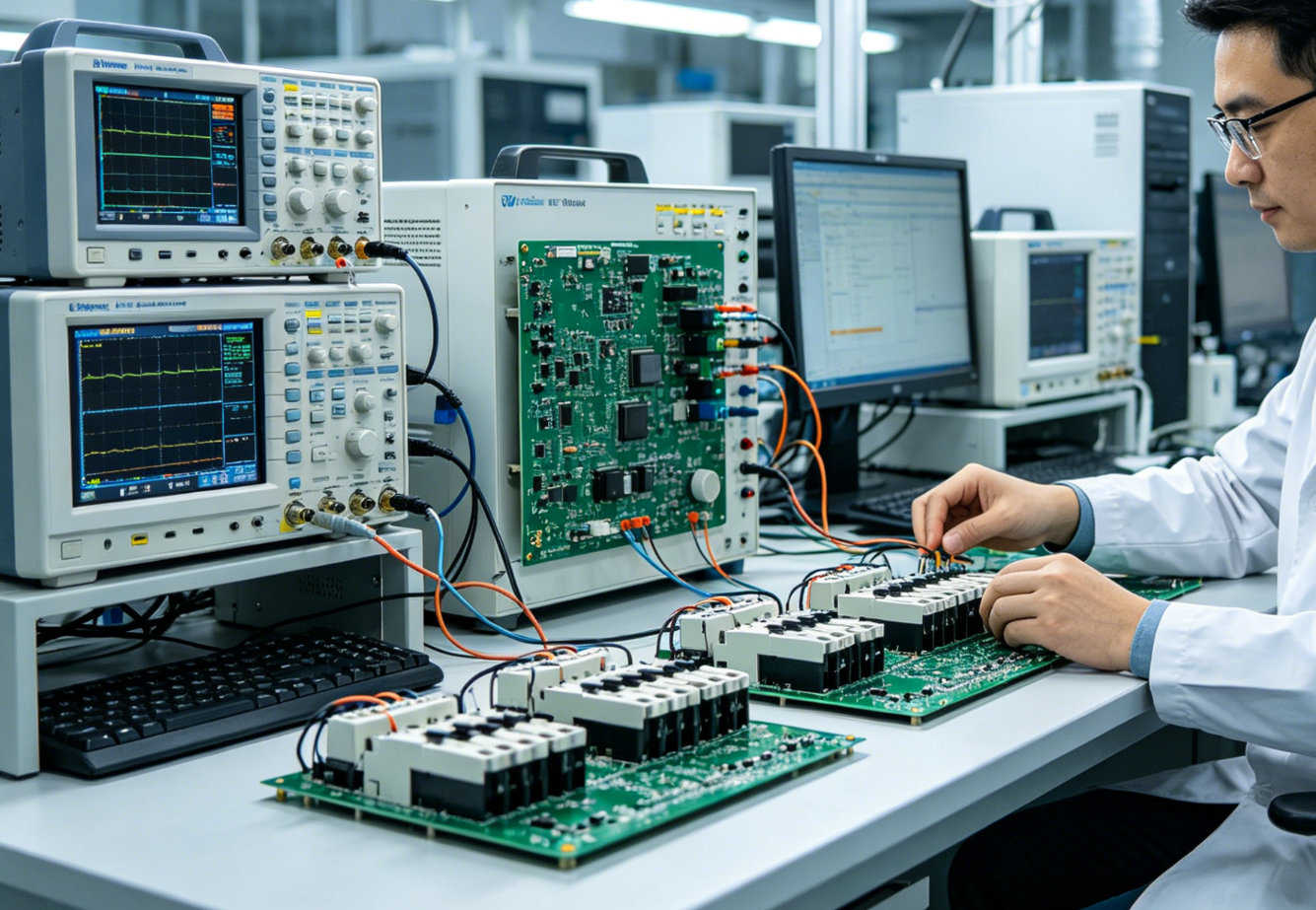
Relay evaluation should also be system-based. The relay should be tested together with the smart meter control board, current sensing path, enclosure conditions, and realistic operating cycle. This helps show whether the relay remains stable in the full product rather than only as an isolated component. Many hidden risks related to temperature, actuation margin, or repeated switching become easier to detect in this type of validation.
Supplier capability is equally important. A relay that looks excellent in one or two samples may still create mass-production problems if process control is weak. Engineers and buyers should therefore review not only the technical data, but also manufacturing stability, inspection repeatability, and consistency from batch to batch. In smart meter projects, strong supplier control is one of the most effective ways to reduce field failure risk.
Another useful decision principle is to avoid over-focusing on one specification only. A relay with high nominal current but weak thermal behavior may still create failure risk. A relay with strong contact design but inconsistent actuation pulse response may still create control risk. The best relay is usually the one that balances several stability factors together.
In the end, selecting a latching relay that reduces smart meter failure risk means choosing a part that stays predictable, durable, and well matched to the full meter design over time. That kind of application-based selection leads to stronger field reliability and a more stable product platform.

Conclusion
Selecting a latching relay that reduces smart meter failure risk requires more than checking a nominal current rating or product size. The right relay should provide stable contact performance, reliable actuation, sufficient switching margin, controlled thermal behavior, strong mechanical consistency, and dependable safety structure. When these factors are evaluated together under real application conditions, project teams can make stronger relay decisions, reduce hidden failure risk, and improve long-term smart meter reliability.
Contact Us
Looking for the right latching relay for your smart meter project? Contact our team to discuss relay selection, application matching, and stable supply support.