LCD Modules: Custom Displays for Various Applications
LCD Modules: Custom Displays for Various Applications
Beyond Off-the-Shelf: Tailoring for Specific Device Demands
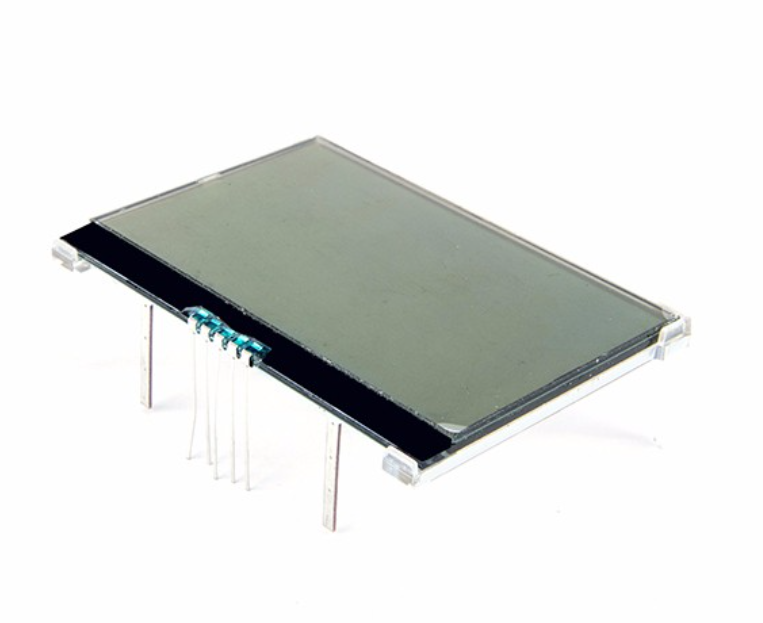
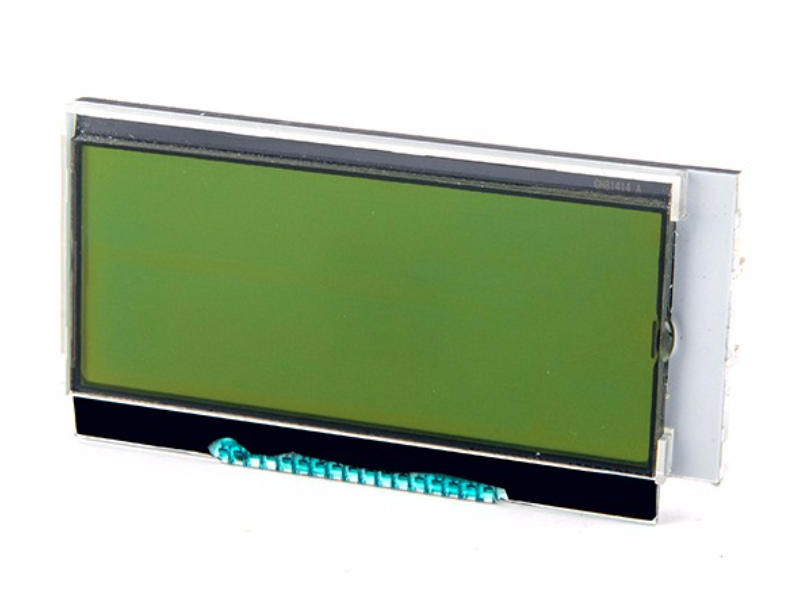
In industrial and consumer electronics, the display is a primary touchpoint between the user and the device's functionality. Standard, off-the-shelf LCDs often fall short, forcing design compromises. Custom LCD modules address this by being engineered as a complete, application-optimized subsystem. The tailoring begins with the core panel, selecting segment, character, or graphic dot-matrix formats based on information complexity. The driver circuit is then optimized, often with Chip-on-Board (COB) technology for enhanced ruggedness, to ensure perfect electrical and timing compatibility with the host's main controller, minimizing development effort. The module includes a precisely tuned, uniform backlight unit (LED, EL, or edge-lit) to guarantee readability across specified temperature and lighting ranges. The connector type, pinout, and mounting configuration (holes, brackets) are all designed for seamless integration. This holistic, application-specific approach transforms a generic display component into a reliable, plug-and-play interface, drastically reducing time-to-market and engineering risk for the device manufacturer.
The Engine Behind Reliability: Manufacturing and Integration
The value of a custom LCD module lies not just in its design, but in its manufacturing integrity and ease of integration. Leading module suppliers co-engineer the display with the client, selecting the optimal combination of glass, polarizers, liquid crystal mode (TN, HTN, STN, FSTN), and driver ICs to achieve the required contrast ratio, viewing angle, and response time. Advanced processes like Chip-on-Board (COB) bonding directly attach the IC to the glass, eliminating flexible cable connections—a common point of failure—and significantly enhancing resistance to vibration, moisture, and corrosion, which is critical for automotive, industrial, or outdoor applications. The module is supplied as a complete unit, with the controller, backlight, and often a protective bezel or touch panel pre-assembled and fully tested. This frees the device manufacturer from the complexities of LCD driver board design, timing calibration, and optical tuning. The end result is a display that consistently performs exactly as specified, with known electrical characteristics, mechanical fit, and optical performance, dramatically simplifying the final assembly and quality assurance process.
Adapting to Diverse Market Needs: From Smart Meters to IoT and Appliances
The true power of custom LCD modules is their adaptability to vastly different application environments. In smart metering, modules are tailored for ultra-low power, high sunlight readability, and a lifespan exceeding 15 years, often with specific segments for tariff icons and alarm symbols. For industrial controls, the focus shifts to wide operating temperature ranges, high brightness for indoor/outdoor visibility, and resistance to electrical noise, with custom legends for machinery status. In home appliances, aesthetics, cost-effectiveness, and intuitive icons for settings are key, with modules designed to match the appliance's design language. In the Internet of Things (IoT), compact size, ultra-low sleep current, and compatibility with low-power microcontrollers are paramount. For automotive clusters, the emphasis is on high contrast, fast response times, and extended temperature resilience. By working with a specialized partner, a device maker can obtain a display solution that is not only technically optimized for the application's core requirements—durability, power budget, interface—but also aesthetically aligned with the end product, enhancing the overall user experience and product differentiation.
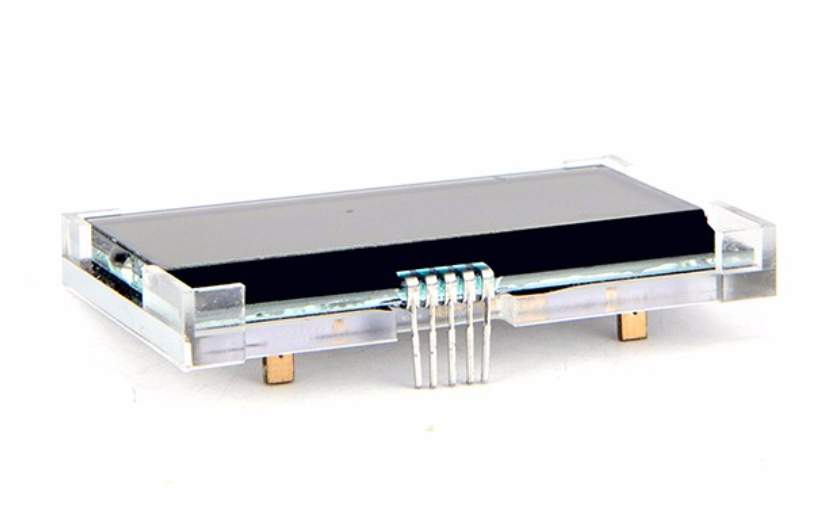
In conclusion, custom LCD modules are far more than just screens; they are application-specific interface solutions that bridge the gap between electronic functionality and the human user. By combining a tailored optical core, integrated driver electronics, and optimized mechanical packaging, they deliver a guaranteed performance envelope. This allows product developers to focus on their core innovation, confident that the critical user-facing component is engineered for reliability, manufacturability, and precise market fit. In a world where the interface defines the experience, the strategic specification of a custom LCD module is a decisive step in creating a competitive, robust, and user-centric end product.