Liquid Crystal Displays for Smart Metering Interfaces
Liquid Crystal Displays for Smart Metering Interfaces
The Demanding Environment: Designing for Visibility, Durability, and Power Efficiency
The LCD in a smart meter is not a standard consumer display; it is a specialized human-machine interface engineered for a 15-20 year lifespan in harsh, always-on environments. Primary requirements dictate its design. First, it must provide exceptional legibility under all lighting conditions, from direct sunlight to complete darkness. This is typically achieved with high-contrast, high-brightness reflective or transflective LCDs, often paired with a uniform, efficient LED backlight for low-light conditions. Second, it must operate with ultra-low power consumption, drawing minimal current to preserve battery life in meters that are mains-powered for functionality but rely on batteries for display retention during outages. Third, it must withstand wide temperature ranges (-30°C to +70°C is common), humidity, and potential condensation without degradation. The physical interface—the glass, polarizers, and liquid crystal material—must be robust against physical shock and UV exposure. Displays like Chip-on-Board (COB) LCDs, where the driver IC is bonded directly to the glass, enhance reliability by eliminating the flexible printed circuit (FPC) connector, a common failure point. This combination of optical performance, power frugality, and environmental ruggedness makes the LCD a critical, yet often underappreciated, component in ensuring the meter's long-term usability.
Information Delivery and User Interaction: Beyond Simple Numbers
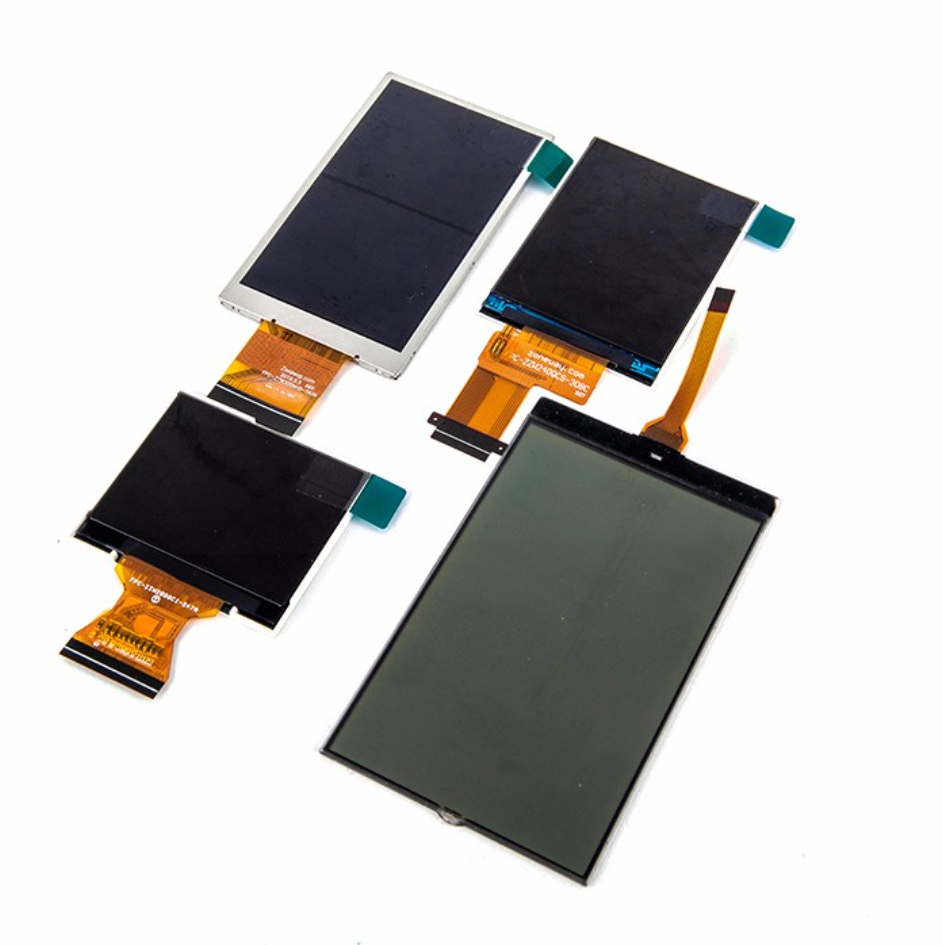
The modern smart meter LCD serves as a dynamic communication portal, conveying far more than just cumulative kWh. Its segmented or dot-matrix format is programmed to display a rich dataset critical for both consumers and utilities. This includes real-time power usage, historical consumption data, time-of-use tariff information, current voltage/current, power factor, and alarm statuses (e.g., reverse connection, tamper). An effective display organizes this data hierarchically, using icons, symbols, and clear text fields to make it instantly understandable. For field technicians, the display provides essential diagnostic information during installation and maintenance. User interaction is also key; simple button presses often cycle through display screens, allowing consumers to monitor their energy habits. The interface must be intuitive, requiring no manual. Furthermore, the display often works in tandem with optical communication ports (like an IR LED) for automatic meter reading, where the displayed data is encoded and flashed to a reader. Thus, the LCD is the primary channel for delivering value-added services, fostering energy awareness, and enabling system diagnostics.
Enabling Advanced Features and Future-Proofing: The COB Advantage and Customization
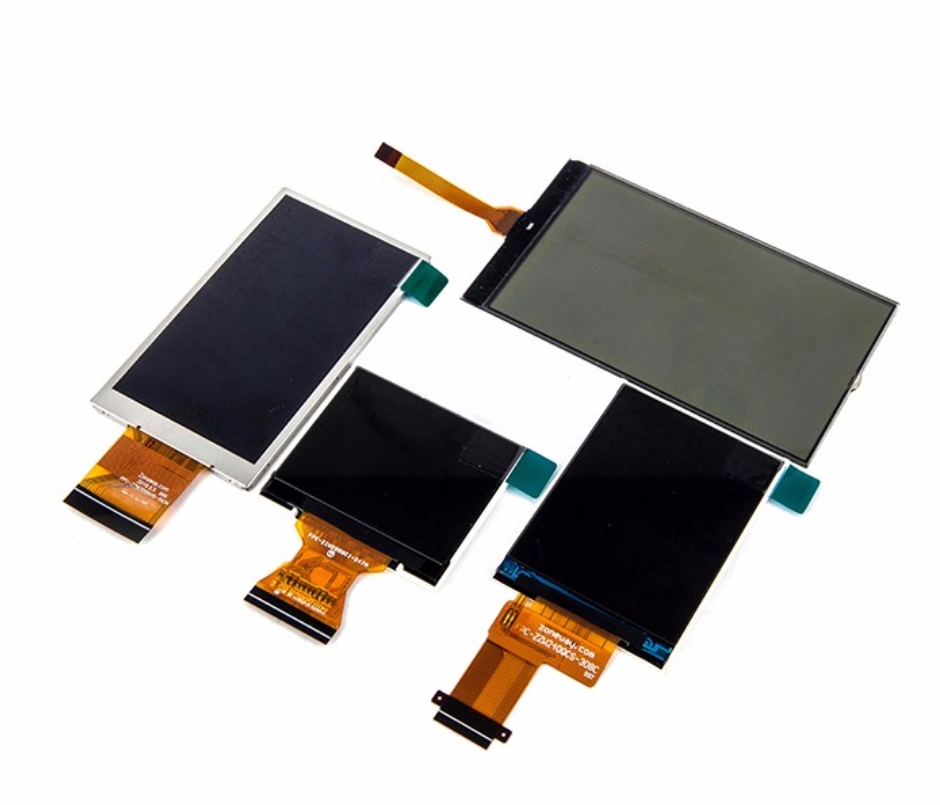
As smart meters evolve into multifunctional grid endpoints, the LCD must support increasingly sophisticated features. Chip-on-Board LCD technology is a significant enabler here. By directly mounting the driver IC onto the LCD glass, COB displays offer superior reliability, a thinner profile, and better resistance to moisture, vibration, and electrostatic discharge compared to conventional designs with a separate controller board. This ruggedness is essential for outdoor or industrial installations. Customization is another critical aspect. Displays can be tailored with specific graphical segments, logos, language sets, and backlight colors (e.g., red for alarms) to meet regional standards, utility branding, or specific meter model requirements. The drive scheme and controller are optimized for ultra-low standby current. Looking ahead, displays may integrate simple touch elements or support more complex graphical user interfaces (GUIs) for advanced home energy management systems. Therefore, selecting a display is not just about the panel itself, but about choosing a technology partner capable of providing a customized, reliable, and integrable display module that aligns with the meter’s feature set, aesthetic design, and total cost of ownership over its multi-decade service life.
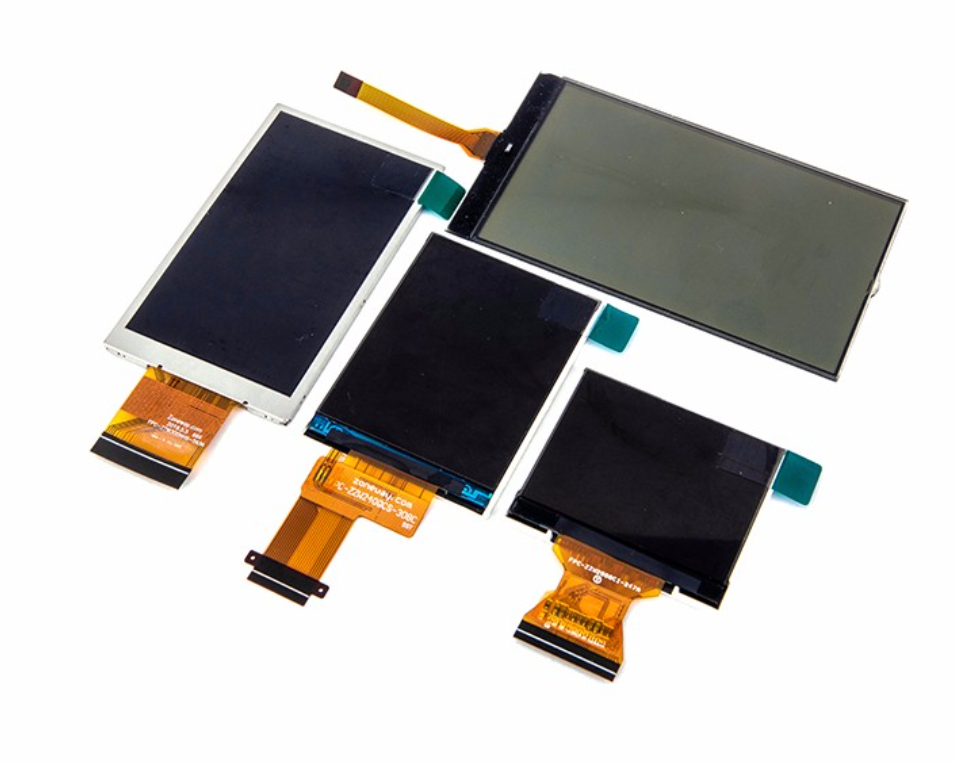
In conclusion, the Liquid Crystal Display in a smart meter is a highly engineered subsystem that balances stringent technical demands with user-centric functionality. It must deliver clear, always-available information with negligible power draw, while surviving decades of environmental stress. Evolving from a simple numeric readout to a versatile information hub, it is key to user engagement, utility operations, and value-added services. The adoption of robust technologies like COB and deep customization ensures that the display is not a commodity component, but a reliable, integral, and future-ready interface that defines the user's experience and trust in the metering device throughout its exceptionally long service life.