Portable Power Analysis: Using Clamp-On CTs for Temporary Load Studies and Troubleshooting
The Tool for Non-Invasive, Rapid Deployment Measurement
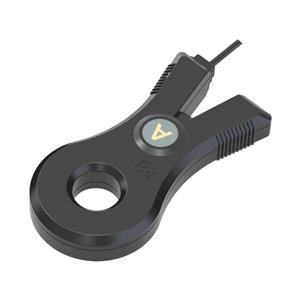
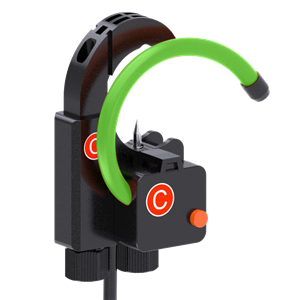
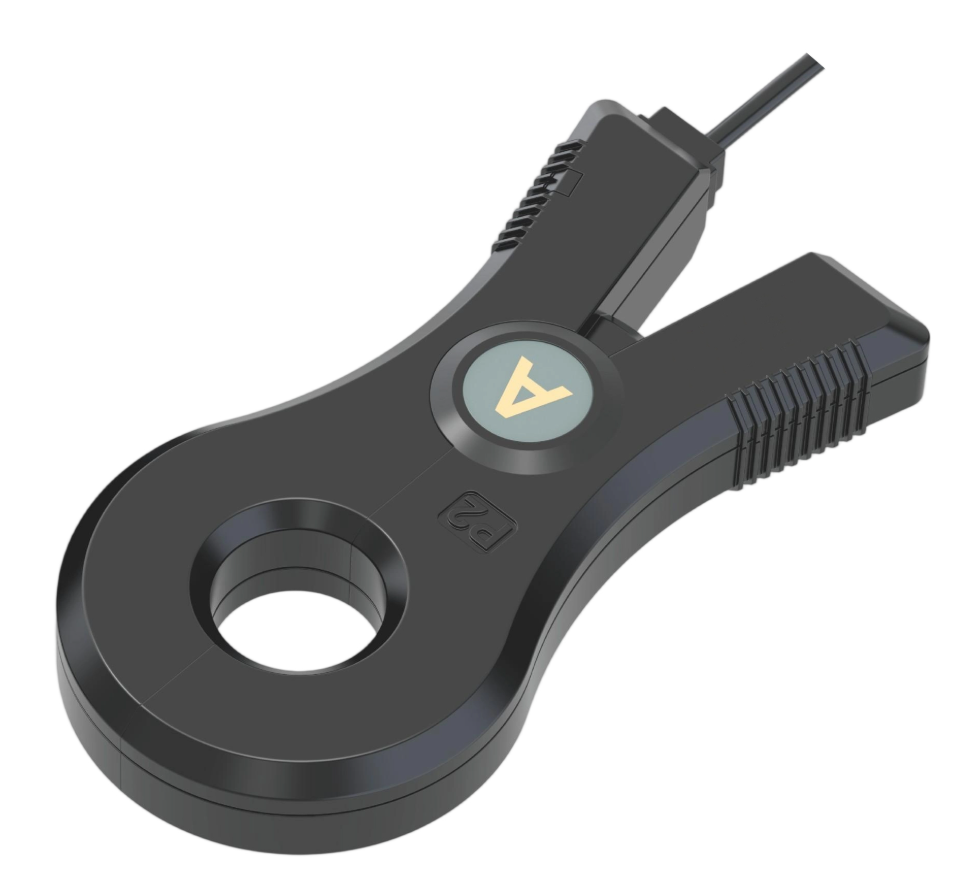
When conducting temporary load studies, energy audits, or on-site electrical troubleshooting, the ability to quickly and safely obtain measurements is paramount. Clamp-on current transformers are the ideal tool for this task. Their defining feature is the ability to be clamped around an insulated conductor without the need to disconnect or cut the wire, enabling non-invasive and live circuit measurement. This eliminates downtime, reduces safety risks associated with exposed conductors, and allows measurements to be taken in hard-to-reach or complex panels with minimal setup time. Unlike split-core CTs which are often left installed for permanent monitoring, clamp-on CTs are designed for portability and temporary use. They are typically paired with portable power analyzers, data loggers, or high-end multimeters. This combination provides a versatile, powerful, and mobile diagnostic kit for field engineers, facility managers, and energy auditors to capture real-world electrical data without disrupting normal operations.
Key Applications: From Energy Audits to Predictive Maintenance
The applications for portable clamp-on CTs in field analysis are extensive and critical for maintaining efficient and reliable electrical systems. A primary use is temporary load profiling and energy audits. Engineers can deploy multiple clamp-on CTs on different feeders, motors, or production lines for days or weeks to record power consumption patterns. This data identifies peak demand, base loads, and wasteful energy usage, forming the basis for energy-saving initiatives and load-shifting strategies. In troubleshooting and diagnostics, clamp-on CTs are indispensable. They can quickly pinpoint harmonic distortions, phase imbalances, and inrush currents that may cause overheating, breaker trips, or equipment malfunctions. Furthermore, they are essential for predictive maintenance. By monitoring the current signature of motors, pumps, or compressors over time, technicians can detect anomalies indicative of impending bearing failure, misalignment, or other mechanical issues, allowing for proactive repairs before catastrophic failure occurs. The flexibility and accuracy of high-quality clamp-on CTs are what make these insights possible.
Selecting the Right Clamp-On CT: Specifications for Field Accuracy
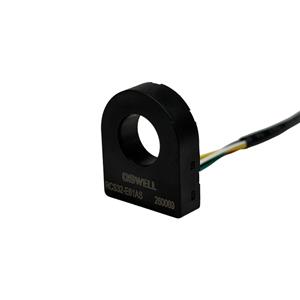
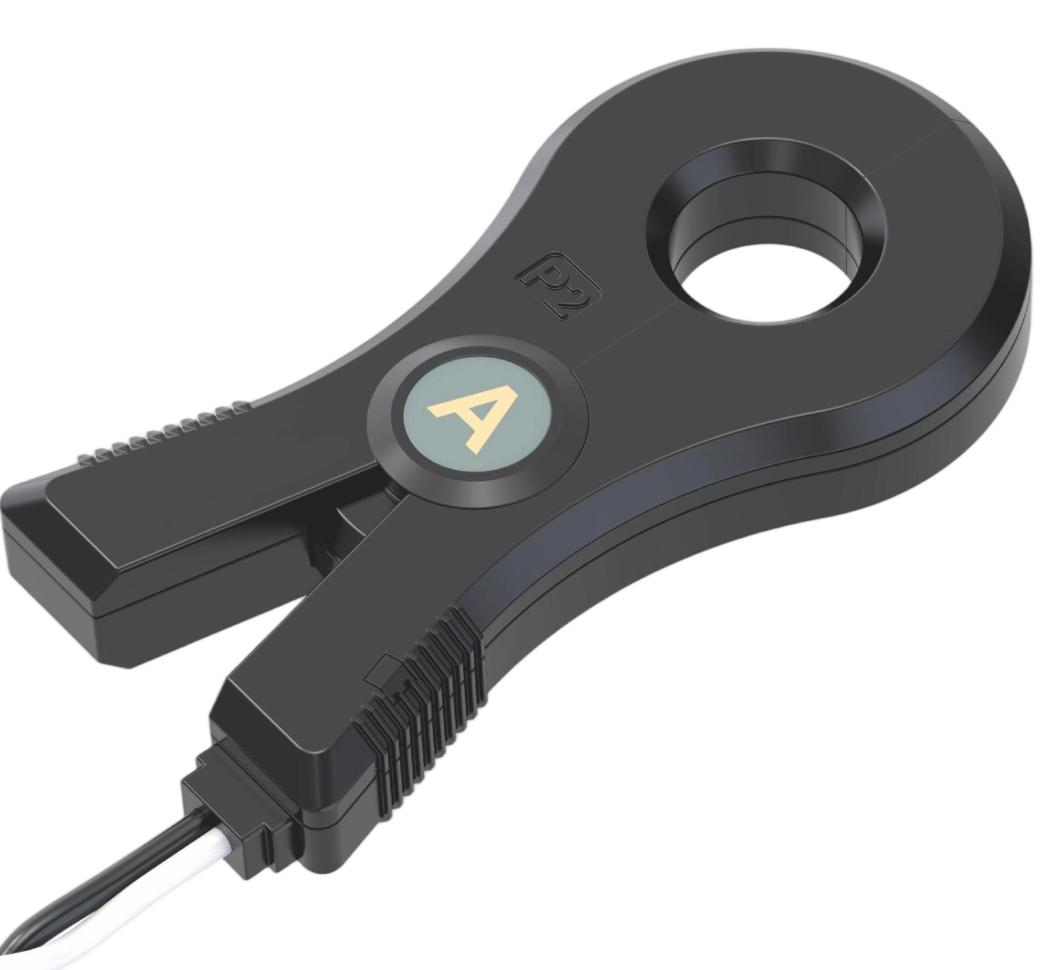
Not all clamp-on CTs are created equal, and selecting the right one is crucial for obtaining reliable data. Key specifications to consider for field work include: Measurement Range and Accuracy Class. The CT must cover the expected current range (from low standby loads to high starting currents) with sufficient accuracy (e.g., Class 0.5, 1.0) for the analysis. Bandwidth is critical for harmonic analysis; a CT with a wider frequency response (e.g., up to 5kHz) can accurately capture higher-order harmonics. Output Type is also important. Common outputs are 1V or 5V AC voltage proportional to current, or a mA output, which must match the input of the connected analyzer. For safety and ease of use, features like a flexible jaw, ergonomic design, integrated test leads, and clear safety ratings (e.g., CAT III 600V) are essential. Manufacturers like Oswell produce robust clamp-on CTs designed for the rigors of field use, offering the right combination of accuracy, durability, and safety that professionals demand for dependable temporary measurements and diagnostics.
The Indispensable Field Partner for Electrical Intelligence
In summary, clamp-on current transformers are far more than just a simple testing accessory; they are an indispensable extension of the modern engineer's diagnostic toolkit. They empower professionals to safely and efficiently conduct load studies, perform deep energy audits, and execute precise troubleshooting without disrupting plant or building operations. The quality of the data gathered—and thus the value of the insights derived—is directly dependent on the accuracy, reliability, and safety of the clamp-on CTs used. For procurement specialists sourcing equipment for field service teams, specifying high-performance, durable tools from established manufacturers like Oswell is a direct investment in operational efficiency, preventive maintenance capability, and data-driven decision making. In the quest for energy efficiency and system reliability, the portable clamp-on CT remains a fundamental and powerful sensor for unlocking electrical intelligence anywhere, anytime.