Precision Stamping and Connector Manufacturing: The Unsung Hero of Reliable Metering
Precision Stamping and Connector Manufacturing: The Unsung Hero of Reliable Metering
The Critical Link in Energy Measurement Systems
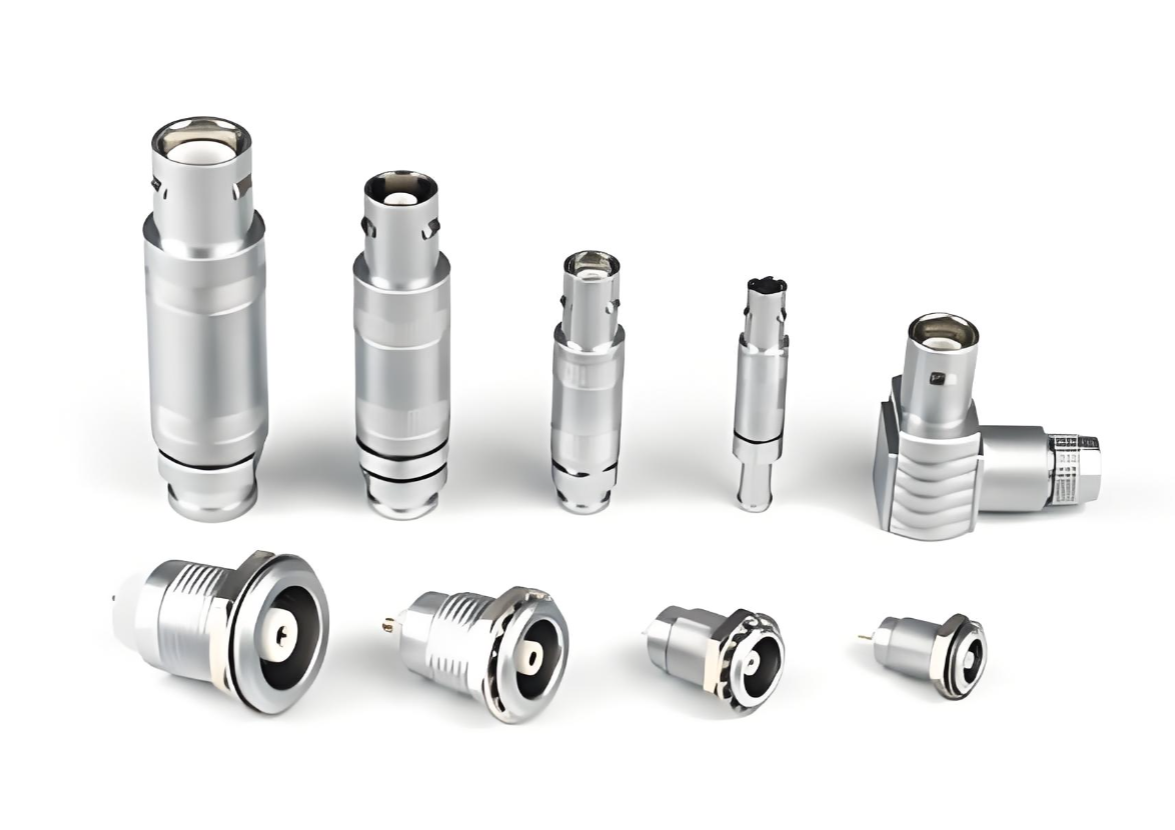
At the heart of every reliable smart meter and electrical measurement device lies a network of critical, yet often overlooked, components: the terminals, busbars, contacts, and housings that form the physical connection points of the entire system. These are the products of precision stamping and connector manufacturing, a discipline where micron-level accuracy meets high-volume production. In the context of metering, the primary function of these components is to establish and maintain a stable, low-resistance electrical path for current and voltage signals over decades of continuous service. Any imperfection here—be it microscopic burrs, inconsistent plating thickness, or subtle dimensional variance—can introduce contact resistance, leading to measurement drift, localized heating, and ultimately, system failure. Unlike the more visible ICs or displays, these metal and plastic parts form the unseen backbone of reliability, ensuring that the sophisticated electronics have a flawless physical foundation upon which to perform their precise calculations.
Engineering Excellence in Metal Stamping and Plating
The journey to a perfect connection begins with precision metal stamping. Using advanced progressive dies in high-speed presses, manufacturers like Oswell transform raw metal coils into complex, net-shape parts with exceptional consistency. The tolerances involved are often within ±0.01mm, ensuring that every terminal fits its mating part perfectly, batch after batch. This process must also manage material properties, creating parts with the right balance of strength, conductivity, and spring tension for reliable, gas-tight connections. Following stamping, precision plating provides the essential surface finish. A layer of silver, tin, or nickel is applied to combat corrosion, reduce surface oxidation, and ensure a stable, low-resistance interface over the product's lifetime. The plating thickness and uniformity are rigorously controlled, as even minor deviations can degrade performance in harsh environments with temperature cycling, humidity, and corrosive atmospheres. This combination of ultra-precise forming and controlled surface engineering transforms simple metal into the durable, high-conductivity "joints" that carry the lifeblood of electrical signals without loss or noise.
Plastic Molding and Final Assembly: Ensuring Long-Term Integrity
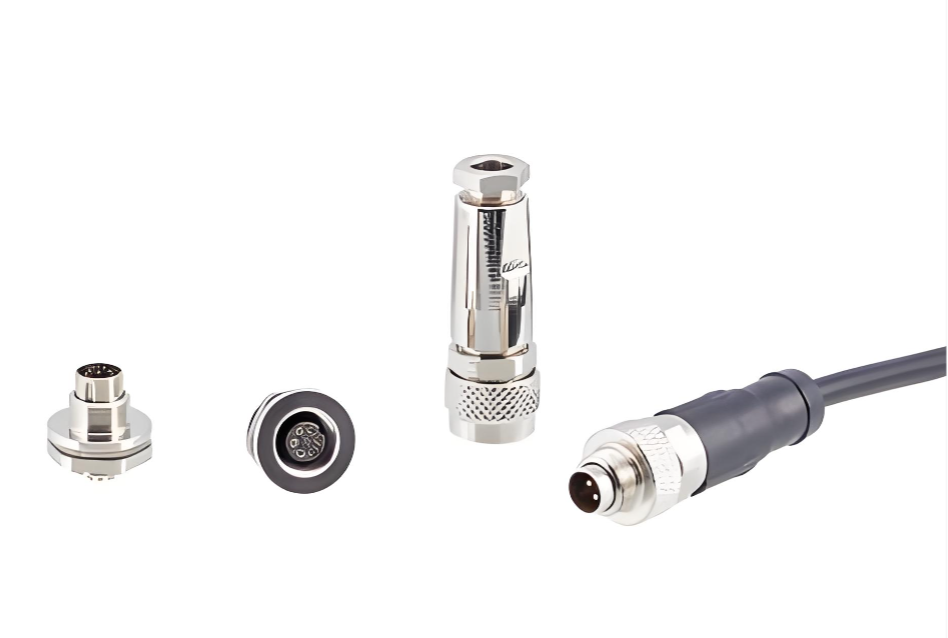
The metal contacts do not function in isolation; they are housed, aligned, and insulated by precision-molded plastic components. These housings, typically made from high-grade, flame-retardant engineering plastics (such as those meeting UL94 V-0 standards), serve multiple critical roles. They provide electrical insulation between live parts, mechanical support to maintain alignment under vibration and stress, and environmental sealing (often to IP ratings) against dust and moisture. The molding process must achieve exceptional dimensional stability and material consistency to ensure these plastic parts mate perfectly with their metal counterparts year after year. The final act is precision assembly, where stamped metal parts, plated contacts, and molded housings come together. This stage often involves automated processes for inserting contacts into housings, applying controlled torque to screws, and performing 100% electrical continuity and Hi-Pot (high potential) tests. It is here that the individual heroes of stamping, plating, and molding are united into a connector system guaranteed to perform with unwavering reliability for the 25+ year service life expected of a modern electricity meter.
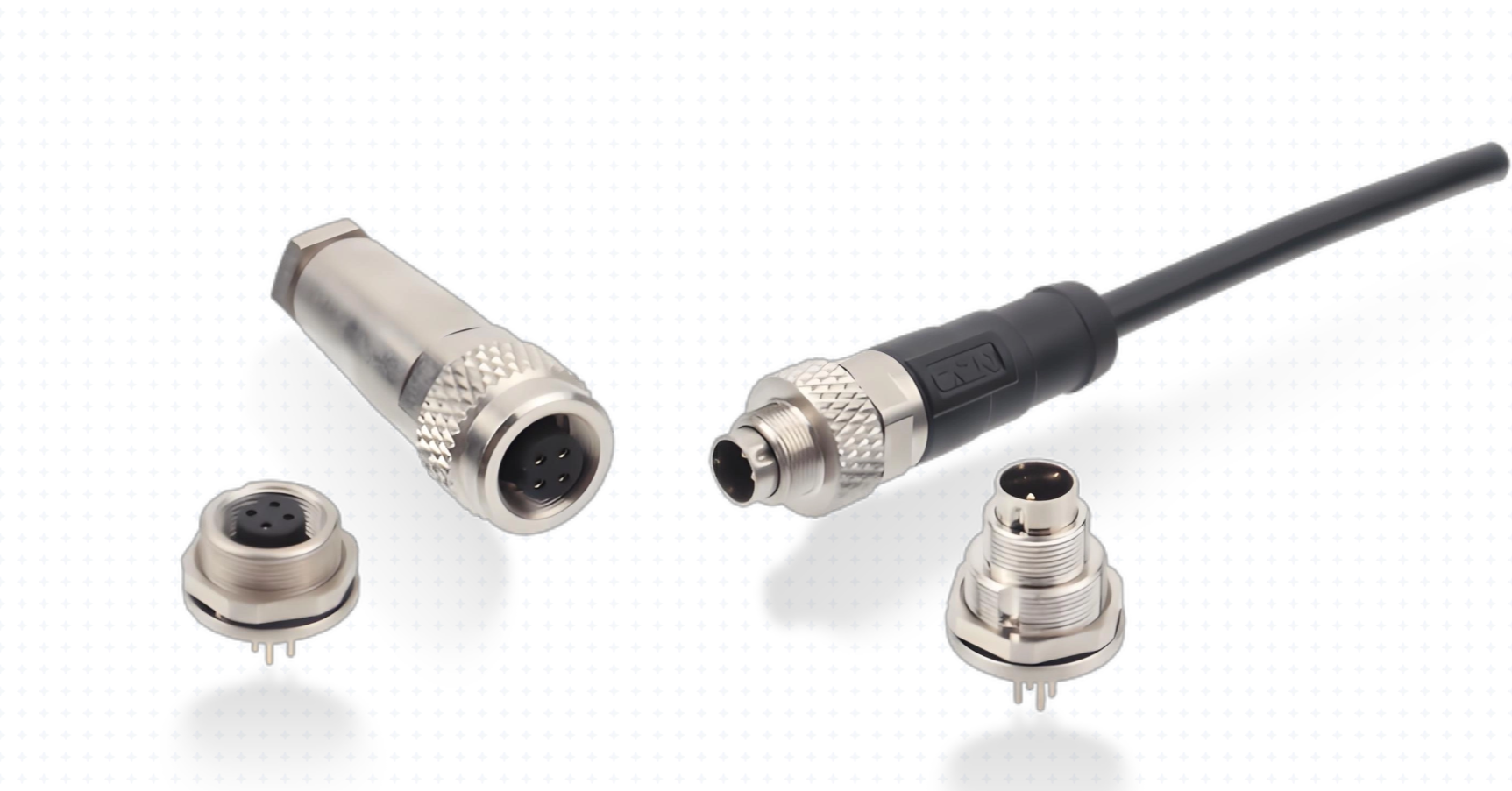
While microchips and software algorithms capture the spotlight in smart metering innovation, the silent, physical foundation built by precision stamping and connector manufacturing is what ultimately guarantees decades of trustworthy operation. It is a realm where material science, mechanical engineering, and process control converge to create seemingly simple parts with extraordinary demands. By mastering the arts of micron-level stamping, uniform plating, and stable molding, manufacturers like Oswell provide the indispensable, high-reliability interconnects that ensure every watt-hour is counted accurately and every signal is transmitted faithfully. In the world of metering, true reliability is not only programmed—it is literally stamped, plated, and molded into place.