Protection Design for Chargers in Humid Environments
Protection Design for Chargers in Humid Environments
The Invisible Threat – How Moisture Compromises Charger Integrity and Safety
Humidity is a pervasive and insidious adversary for electrical equipment, presenting challenges far more complex than direct water exposure. In environments such as coastal areas, indoor swimming pools, underground garages, or tropical climates, high ambient humidity and condensation can lead to a cascade of failure modes. Conductive moisture paths can form on Printed Circuit Board (PCB) surfaces, causing leakage currents and short circuits that disrupt sensitive control logic. Metallic components, including connector pins, busbars, and relay contacts, are susceptible to accelerated corrosion and oxidation, increasing contact resistance and leading to overheating. Moisture ingress into insulating materials can degrade their dielectric strength, raising the risk of electrical breakdown and arcing. Moreover, prolonged dampness can promote mold growth and material degradation of seals and plastics. For Electric Vehicle (EV) chargers, which combine high-power electronics with user accessibility, these risks translate into potential safety hazards, operational failures, and a drastically shortened product lifespan. Effective protection, therefore, must be a proactive, system-level engineering philosophy, not merely an afterthought.
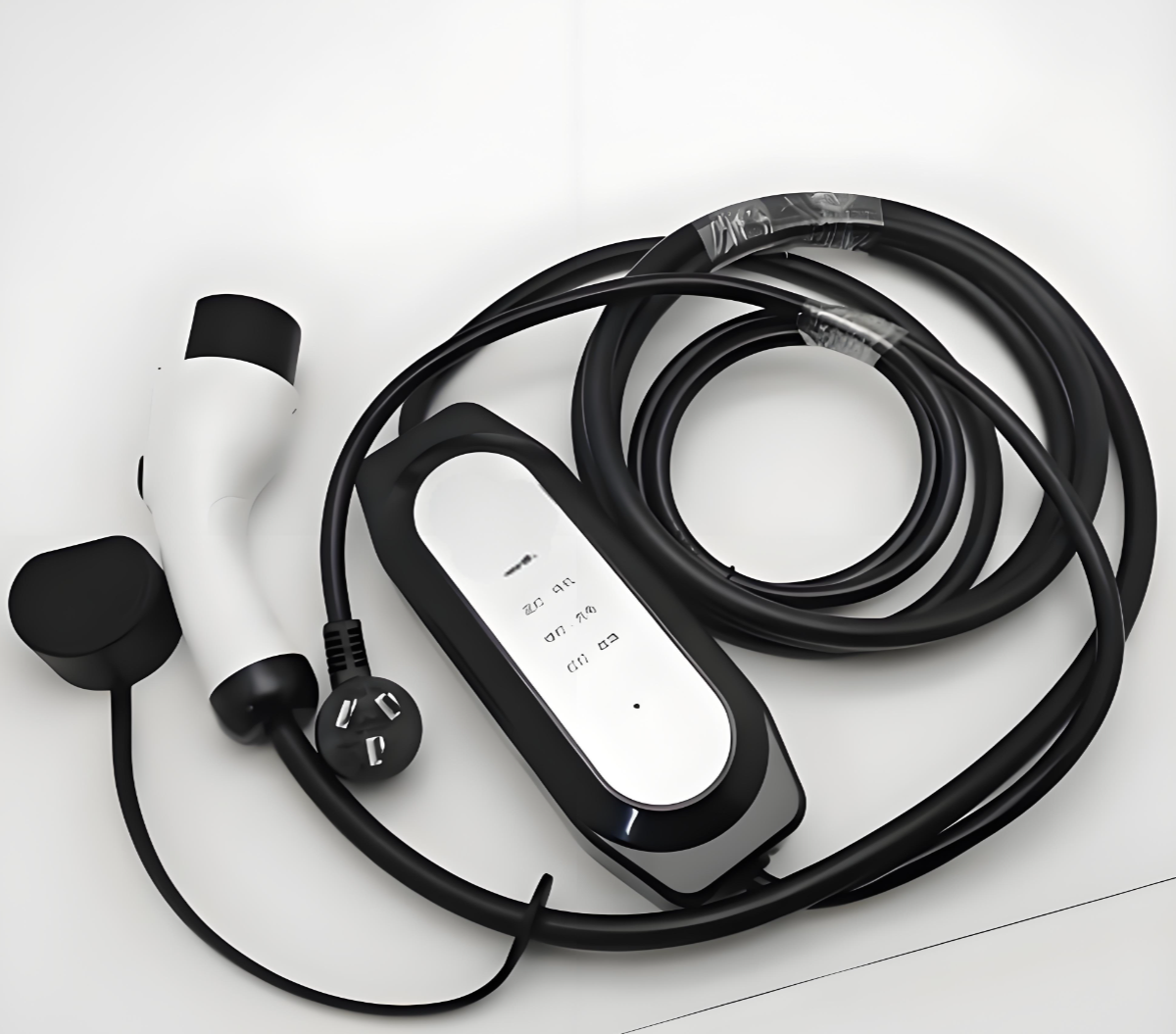
The Multi-Layered Defense Strategy – Sealing, Materials, and Coating
Combatting humidity requires a holistic, multi-barrier approach integrated from the initial design phase. The first and most critical line of defense is robust physical sealing. This is quantified by the Ingress Protection (IP) rating, with enclosures typically designed to meet at least IP54 (protection against dust and water splashes) or, for more demanding outdoor installations, IP55 or IP65. Achieving this involves the use of sealed cable glands, silicone gaskets at enclosure joints, and sealed membrane buttons for user interfaces. The second layer involves strategic material selection. Internal PCBs are often treated with Conformal Coatings—thin protective polymeric films (e.g., acrylic, silicone, polyurethane) applied to shield circuitry from moisture, dust, and chemical contaminants. Humidity-sensitive components like display modules may incorporate desiccant packets or breathable membranes to manage internal moisture. Externally, enclosures and connectors utilize corrosion-resistant alloys, high-grade engineering plastics with UV stabilizers, and stainless steel fasteners to withstand saline or humid atmospheres. The third layer focuses on internal environment management. Design features such as internal heating elements, ventilation with breathable membranes, and proper thermal management to minimize cold spots help prevent condensation from forming inside the enclosure during temperature cycles.
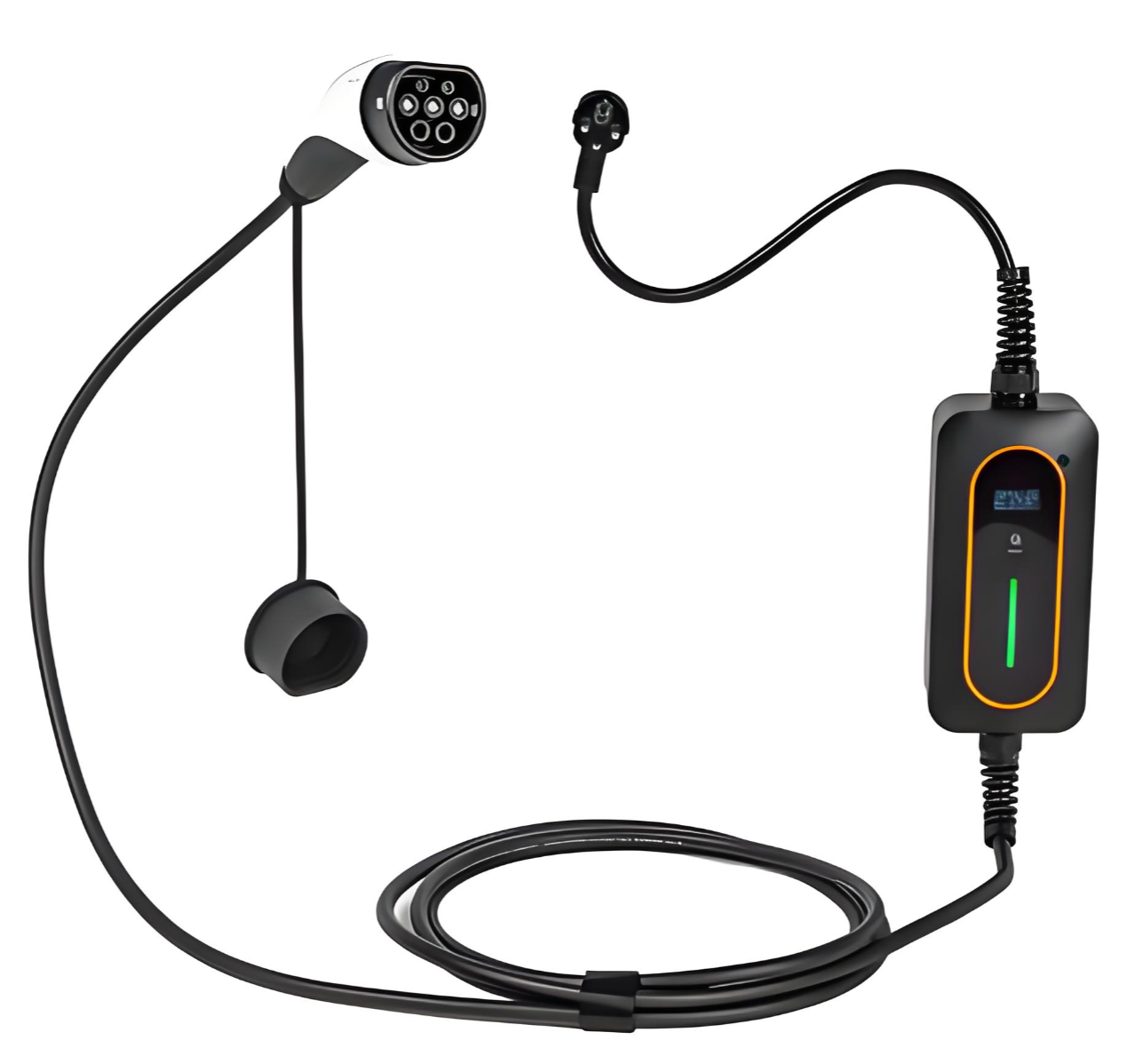
Electrical Safety and Validation – Ensuring Reliability Over Time
Beyond physical protection, the electrical design must incorporate specific safeguards against humidity-induced faults. A cornerstone of this is enhanced insulation coordination. This involves increasing Creepage and Clearance distances on PCBs and between live parts, specifying insulation materials with high Comparative Tracking Index (CTI) values to resist conductive path formation, and utilizing potting or encapsulation for high-voltage modules (like AC-DC conversion sections) to completely exclude moisture. Critical for user safety in humid conditions is the implementation of Residual Current Devices (RCDs), specifically Type A or Type B RCDs, which can detect both AC and pulsating DC fault currents that may arise from insulation degradation. Finally, rigorous environmental testing and validation are non-negotiable. Prototypes undergo damp heat tests (e.g., 85% relative humidity at 85°C for hundreds of hours), thermal cycling tests to induce condensation, and salt spray tests to assess corrosion resistance. These tests validate that the multi-layered protection strategy ensures long-term dielectric strength, stable contact resistance, and uninterrupted functionality, guaranteeing that the charger performs reliably throughout its expected service life in challenging climates.
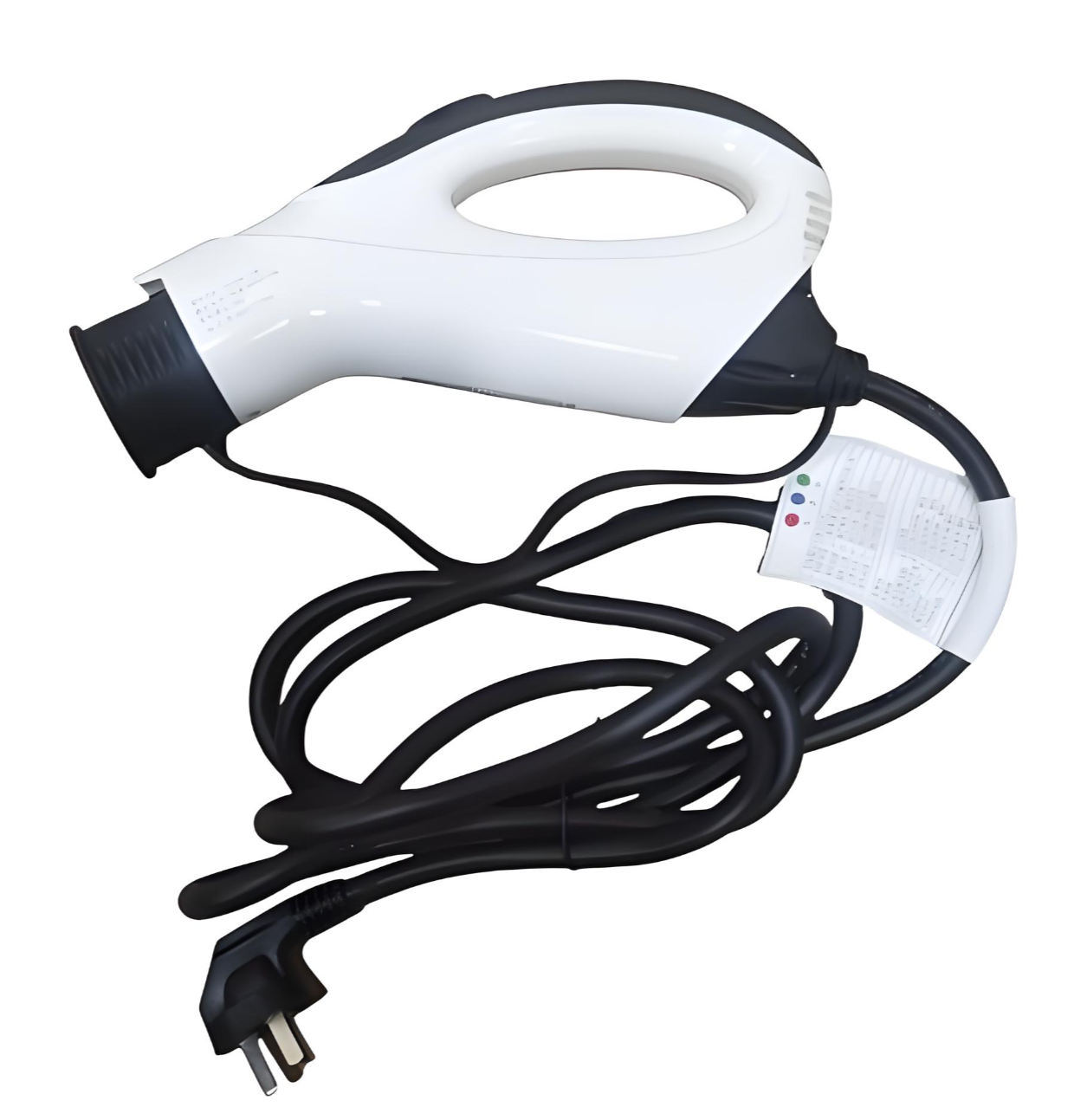
Designing EV chargers for humid environments is a testament to comprehensive, forward-thinking engineering. It moves beyond basic functionality to build resilience against a slow, persistent threat. By integrating robust IP-rated sealing, humidity-resistant materials, protective conformal coatings, and moisture-aware electrical safety features, manufacturers like Oswell create products that are not merely waterproof, but truly climate-robust. This meticulous approach ensures that from a foggy seaside park to a humid subterranean garage, the charger delivers safe, stable, and uninterrupted service, protecting both the user and the vehicle while fulfilling the promise of reliable electric mobility in every corner of the world.