Selecting the Right Power Transformer for Metering Equipment
The Core Function: Isolation, Voltage Transformation, and System Stability
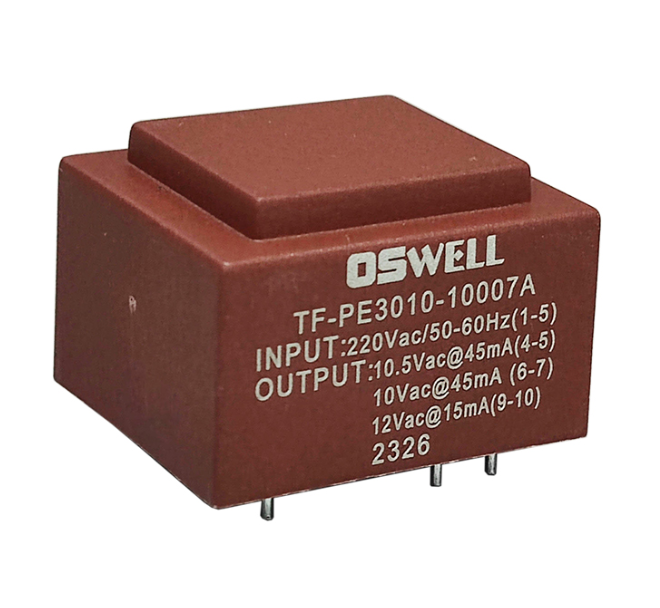
The power transformer is the beating heart of a meter's internal power supply. Its primary role is to provide safe galvanic isolation between the high-voltage mains and the sensitive low-voltage electronics of the meter's measurement and communication circuits. This isolation is a critical safety requirement, protecting both the equipment and personnel. Secondly, it performs efficient voltage transformation, stepping down the line voltage (e.g., 230VAC) to a lower, usable AC voltage suitable for the meter's switched-mode power supply (SMPS) or linear regulator. Beyond these basic functions, a high-quality power transformer is essential for system stability and noise immunity. It acts as a barrier against line-borne transients, surges, and electromagnetic interference (EMI) that could otherwise corrupt sensitive analog measurements, leading to metering inaccuracies. For manufacturers like Oswell, designing transformers for this application involves precise core and winding engineering to ensure not only the correct turns ratio but also low leakage inductance and excellent inter-winding insulation, which are key to performance and long-term reliability in the harsh electrical environment of a distribution panel.
Key Selection Criteria: Efficiency, Size, and Environmental Resilience
Choosing the correct power transformer requires balancing several key electrical and physical parameters against the specific meter design. Efficiency and Power Rating are paramount. The transformer must be sized to handle the meter's maximum operational load (including the communication module's peak transmit power) with low no-load and load losses to minimize heat generation and maximize overall power supply efficiency. This directly impacts the meter's thermal performance and long-term reliability. Physical Size and Mounting are critical constraints, especially in today's trend towards ultra-compact meter designs. The transformer must offer a high power density. Furthermore, it must be designed to operate reliably across a wide ambient temperature range (e.g., -40°C to +85°C) and withstand high humidity. Components from suppliers like Oswell are built to endure these conditions, often utilizing high-grade core materials, high-temperature enamel wires, and vacuum-impregnated varnish or epoxy potting to prevent moisture ingress, reduce audible noise (hum), and enhance mechanical robustness against vibration—common in utility and industrial settings.
Application-Specific Considerations: From Basic Meters to Advanced AMI
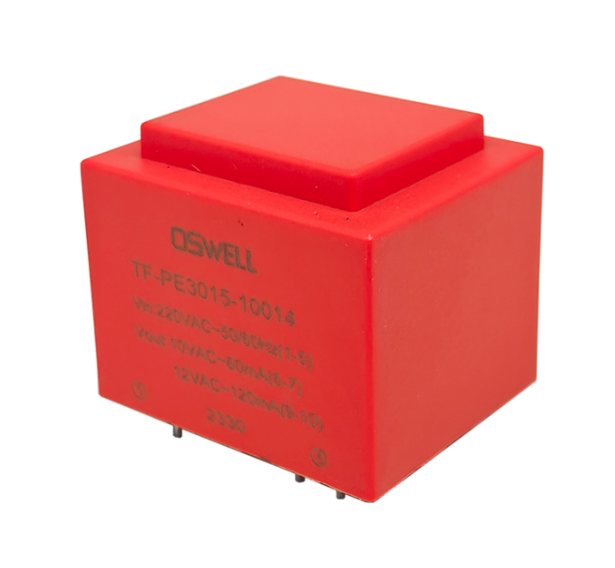
The optimal transformer specification varies depending on the meter's functionality. For a basic residential energy meter, a simple, cost-effective, and highly reliable isolation transformer is often sufficient. However, for Advanced Metering Infrastructure (AMI) smart meters, the requirements are more complex. These meters contain power-hungry two-way communication modules (PLC, RF, Cellular) that create dynamic, pulsed load profiles. The transformer must have excellent load regulation to prevent output voltage sag during transmission bursts, which could reset the microcontroller. It also needs enhanced EMI suppression to prevent the communication circuit's noise from coupling back into the sensitive analog front-end. In three-phase meters, the design may incorporate multiple windings or specialized transformers for each phase. Partnering with a component expert like Oswell provides access to a portfolio of transformer solutions tailored to these different tiers—from robust standard models to high-performance designs for leading-edge smart meters—ensuring the power supply forms a solid, trouble-free foundation for the meter's entire operational life.
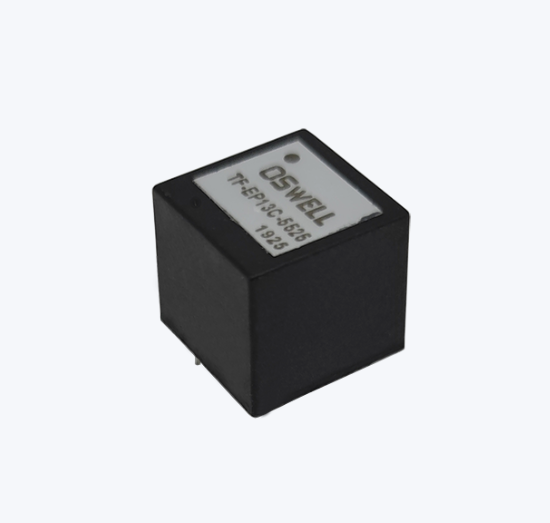
In conclusion, the power transformer is not a commodity but a strategically selected foundation component that directly influences the safety, accuracy, longevity, and field reliability of metering equipment. Its selection involves a careful analysis of isolation requirements, efficiency targets, size constraints, and the specific load characteristics of the meter's electronics. Compromising on transformer quality can lead to premature failures, measurement drift, or susceptibility to grid disturbances. Therefore, for meter manufacturers and procurement specialists, specifying power transformers from established, quality-focused suppliers like Oswell is a critical decision. It ensures access to components engineered with the right materials, construction techniques, and testing protocols to deliver consistent, reliable performance in the challenging real-world environments where meters operate, safeguarding the integrity of the revenue and data collection system.