The Critical Role of EMC Line Filters in Ensuring Electronic Device Compliance and Reliability
The Critical Role of EMC Line Filters in Ensuring Electronic Device Compliance and Reliability
Guardians at the Gateway: How EMC Line Filters Uphold Regulatory Compliance
In today's densely packed electromagnetic environment, every electronic device is both a potential source of and a victim to electrical noise. To ensure the peaceful coexistence of myriad devices—from industrial drives and smart meters to consumer electronics—stringent Electromagnetic Compatibility (EMC) regulations are enforced globally (e.g., FCC, CE, CISPR). EMC line filters serve as the essential first line of defense, installed at the main power entry point of equipment. Their primary compliance function is twofold: suppressing conducted emissions and enhancing immunity. Internally generated high-frequency noise from components like switch-mode power supplies (SMPS) and microprocessors can travel back along the power cables, radiating as interference that violates emission limits. A well-designed EMC filter acts as a frequency-selective barrier, attenuating this noise before it escapes the enclosure. Conversely, the public power line is a noisy highway carrying disturbances from other equipment. The filter protects the device from these incoming conducted disturbances, such as electrostatic discharge (ESD) pulses or bursts, preventing malfunctions or resets. For manufacturers of electrical components and metering systems, like Oswell E-Group, whose products must integrate seamlessly into diverse environments, understanding and implementing effective front-end filtering is not optional; it is a fundamental requirement for achieving the mandatory EMC certification marks that permit a product to be sold in its target markets. The filter is, therefore, the critical component that translates a functional design into a market-compliant product.
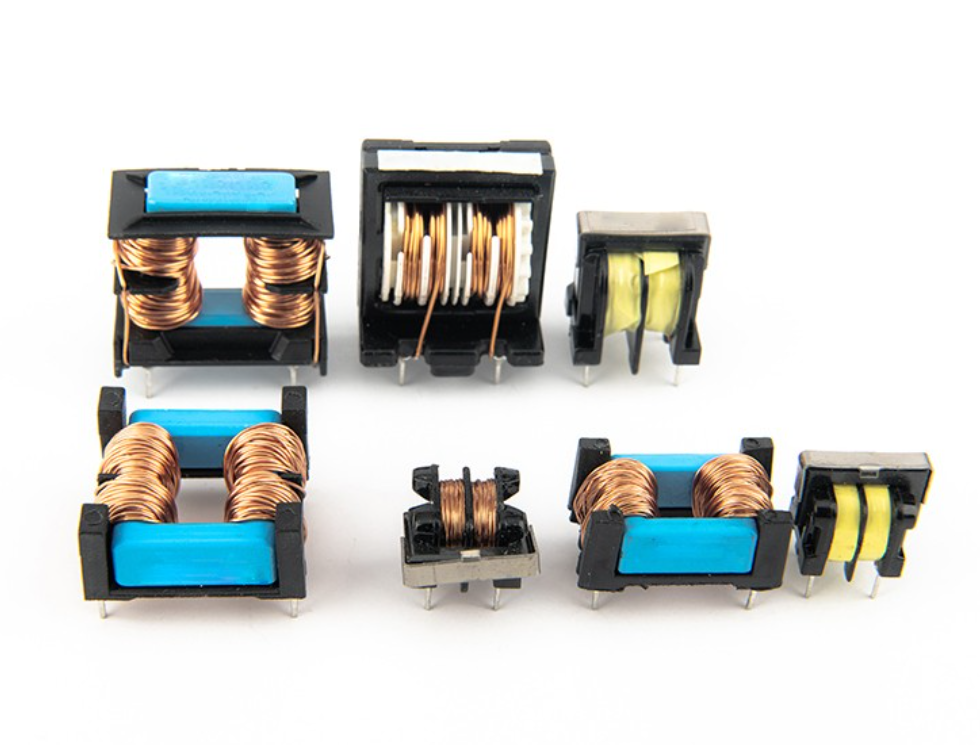
The Bedrock of Reliability: Protecting Sensitive Electronics from Degradation and Failure
Beyond mere compliance, EMC line filters play a profound and often underappreciated role in enhancing the long-term operational reliability and mean time between failures (MTBF) of electronic systems. Electrical noise is not just a nuisance; it is a source of cumulative stress. High-frequency common-mode and differential-mode noise that bypasses filtering can couple into sensitive signal and control lines within the device, leading to corrupted data, erratic microcontroller behavior, and software glitches. More insidiously, this noise induces small but repetitive voltage spikes and currents across semiconductor junctions and passive components, contributing to gradual electrical overstress (EOS). This accelerates component aging, increases thermal loads, and can lead to premature failure of capacitors, ICs, or insulation. An EMC filter, by shunting this high-frequency noise energy to ground (common-mode) or cancelling it within its LC network (differential-mode), creates a "clean" power domain for the internal circuitry. This stable, low-noise power environment allows voltage regulators, precision analog circuits (like those in metering ICs), and communication interfaces to perform at their designed accuracy and stability. For a supplier of critical metering components, the reliability of the end meter is paramount. Specifying or integrating robust EMC filtering is a proactive design strategy that directly contributes to the product's field performance, reducing warranty claims and protecting the brand's reputation for quality. It transforms the power port from a vulnerability into a pillar of system robustness.
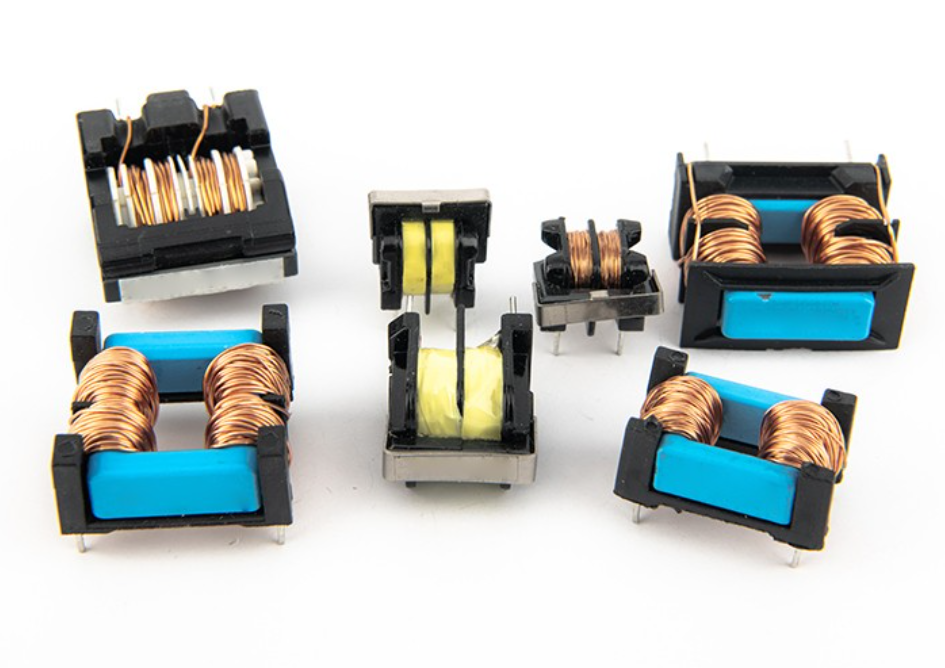
Integration and Selection: Key Considerations for Optimal Filter Performance
The effectiveness of an EMC line filter is not guaranteed by its standalone specifications alone; it is a system-level performance characteristic. Proper integration is paramount. The filter must be mounted directly at the point where the power cord enters the enclosure, with its metallic housing making a low-impedance, 360-degree conductive bond to the chassis ground. This provides a short path for shunted noise currents to return to their source, preventing them from re-radiating inside the cabinet. Long wire runs between the filter and the power entry or internal components can render it ineffective, acting as antennas. Key selection parameters must align with the application: rated voltage and current must exceed operating conditions with margin; the insertion loss curve should provide adequate attenuation across the critical noise frequency bands (e.g., 150 kHz to 30 MHz for conducted emissions); and safety agency approvals (UL, VDE, TUV) are essential for end-product certification. In environments with high levels of surges or bursts, such as industrial settings, filters with higher withstand voltage capabilities and integrated varistors may be required. For component manufacturers serving industries like metering and automation, partnering with or offering filters that are pre-validated for such conditions adds significant value. It ensures that the filter will perform as an integral, reliable part of the system under real-world electrical stresses, safeguarding both compliance and the operational integrity of the end product throughout its service life.
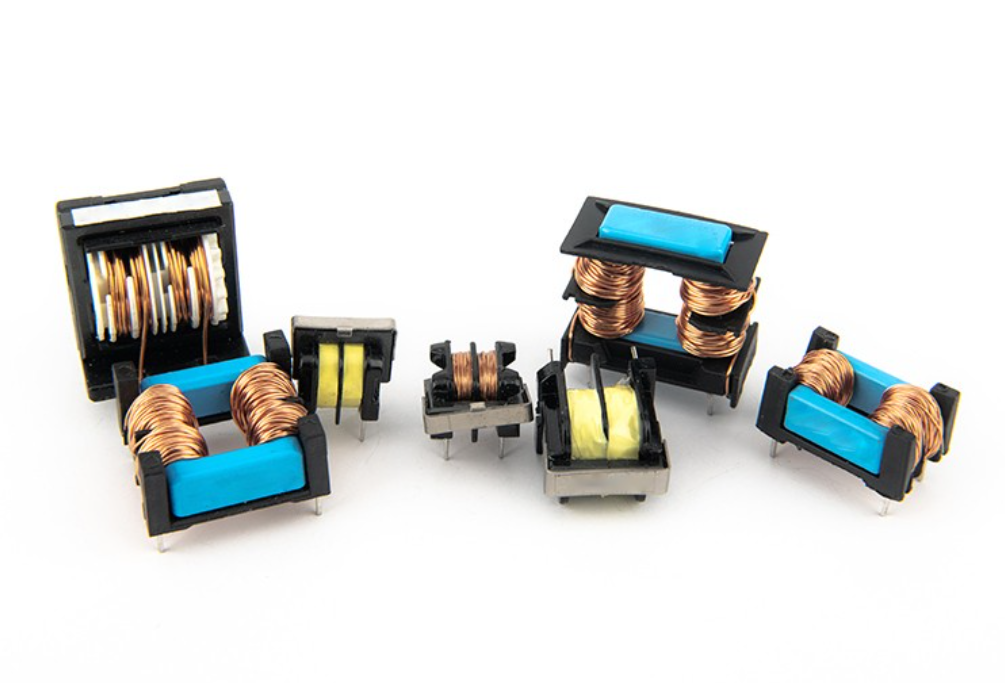
EMC line filters are far more than simple accessory components added to a bill of materials. They are fundamental, active engineering elements that sit at the critical junction between a device and the unpredictable external electrical world. Their role in achieving and maintaining regulatory compliance is clear and mandatory. However, their deeper value lies in their contribution to intrinsic product reliability: by creating a protected internal power environment, they shield sensitive electronics from degradation and malfunction, directly extending product lifespan and ensuring consistent performance. In an era where electronics underpin everything from infrastructure to daily life, investing in proper EMC filtering—through careful selection, correct integration, and validation—is a decisive step in designing products that are not only lawful to sell but are also trustworthy, durable, and fit for purpose in the real world. It is an investment in product integrity and customer confidence.