The Critical Role of Latching Relays in Smart Meter Remote Load Control and Tariff Switching.
The Power Efficiency Imperative: Zero Holding Power for Longevity
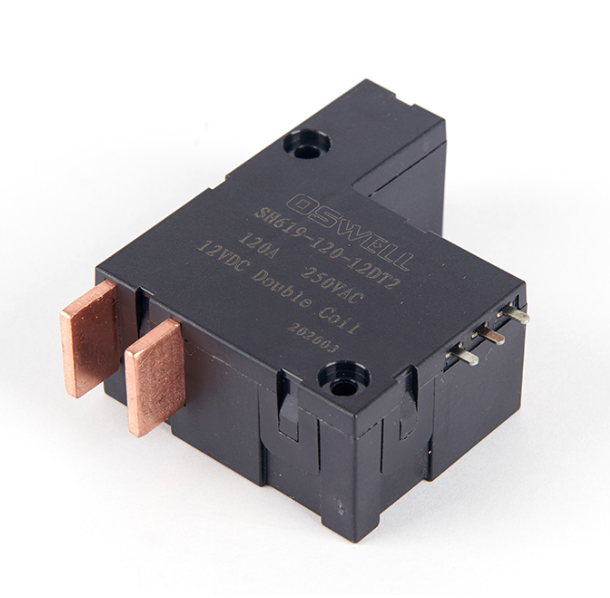
The core challenge in a smart meter's load control circuit is the need for a reliable switching mechanism that operates on a minuscule power budget, as meters are often battery-backed or have strict energy harvesting limits. This is where the latching (bistable) relay proves indispensable. Unlike a standard electromechanical relay that requires continuous coil power to maintain its switched state, a latching relay uses a short, high-current pulse to change its state (Set or Reset) and then mechanically latches into that position. It draws zero power to maintain either the ON or OFF contact state. This fundamental characteristic is the cornerstone of its application in smart meters. It allows the meter's communication module (e.g., PLC, RF) to receive a remote command, expend a brief burst of energy to actuate the relay, and then return to a deep sleep mode. Over the typical 10-15 year lifespan of a meter, the cumulative energy savings are enormous, directly contributing to long-term battery life and overall system reliability. This makes latching relays from quality-focused manufacturers like Oswell a non-negotiable component for sustainable smart grid design.
Enabling Demand Response and Dynamic Tariff Management
Smart meters are the gateways for advanced grid services like Demand Response (DR) and Time-of-Use (TOU) or dynamic pricing. The latching relay is the physical actuator that makes these services possible. In a remote load control scenario, a utility can send a signal during peak demand to temporarily cycle off non-essential loads (e.g., water heaters, pool pumps) in participating homes. The latching relay inside the meter reliably opens the load control circuit upon command, and—critically—holds that state with zero power until the "restore" command is sent. For tariff switching, the relay is used to physically control which register or metering circuit is active. It can switch between different rate schedules (e.g., day vs. night tariff) precisely at the programmed time. The relay's bistable nature ensures absolute state retention even during a complete meter power loss, preventing revenue inaccuracies or unauthorized restoration of service. The robustness and millions of operations lifecycle of a high-quality latching relay ensure these critical grid management functions are executed flawlessly for decades.
Design for Reliability: Meeting the Harsh Metering Environment
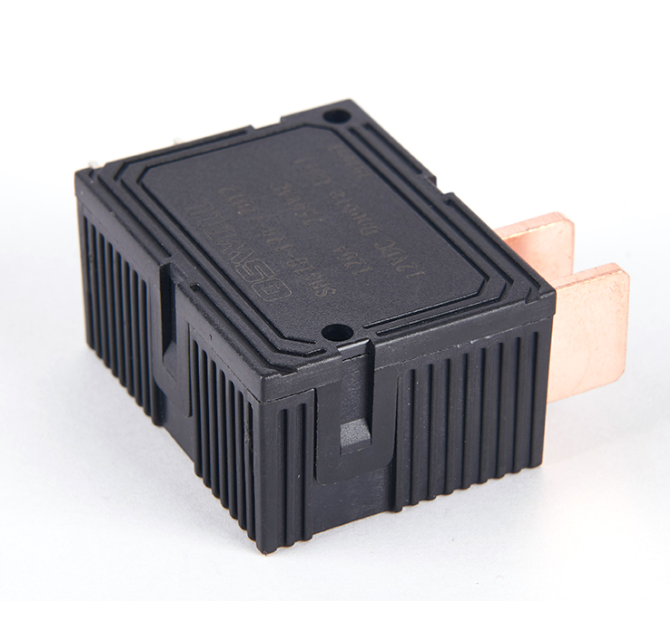
The environment inside a smart meter enclosure is demanding, with requirements for long-term stability, high inrush current handling, and minimal heat generation. Latching relays are specifically engineered to excel here. Their zero holding power means they generate no internal heat during the vast majority of their operational life, eliminating a source of thermal stress on nearby components. They are also designed to withstand high inrush currents associated with capacitive loads, ensuring reliable switching even when controlling modern electronic devices. For manufacturers like Oswell, producing a relay for this application involves precision engineering. Key performance parameters include low and stable coil resistance for consistent pulse drive, high contact ratings for safety margins, and robust mechanical construction to withstand vibration and shock over the product's lifetime. Furthermore, the relay's driver circuit (often an integrated H-bridge IC) is a critical co-design consideration. A perfectly matched system ensures the relay is driven with the optimal pulse width and amplitude, guaranteeing reliable latching and unlocking every time. This relentless focus on reliability ensures that the smart meter fulfills its role as a trusted grid-edge device for both utilities and consumers.
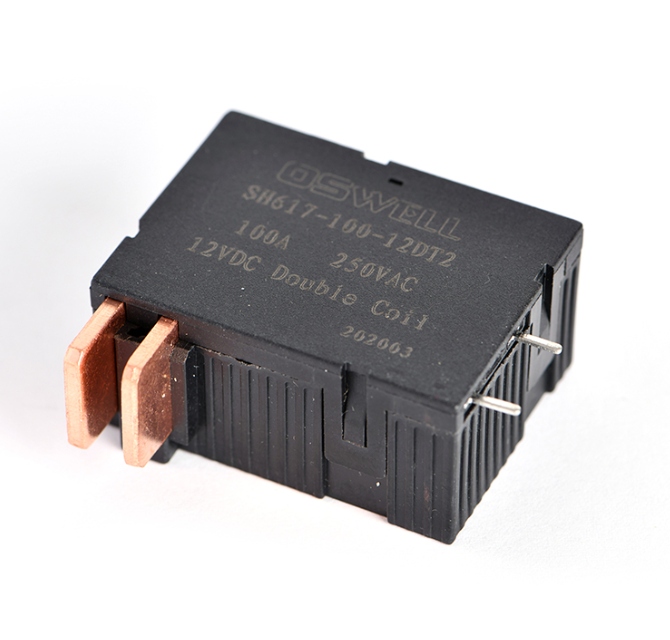
In summary, the latching relay is the silent, yet critical, enforcer within the smart meter that physically executes the commands of a modern, intelligent grid. It is the key hardware component that enables remote demand-side management, dynamic tariff structures, and enhanced energy conservation—all while consuming virtually no power in its steady state. Its reliability directly impacts grid operational efficiency, utility revenue protection, and consumer trust. For procurement specialists and smart meter designers, selecting a latching relay is not a commodity decision. It is a strategic choice for long-term performance. Partnering with established component specialists like Oswell, who engineer their relays to meet the exacting standards of the global metering industry, is essential. It ensures the deployment of smart meters that are not only intelligent in communication, but also unwavering in their physical execution of control commands, forming the dependable backbone of the advanced metering infrastructure.