The Essential Role of Split-Core Ground Fault Protection CTs in Enhancing Electrical Safety
The Essential Role of Split-Core Ground Fault Protection CTs in Enhancing Electrical Safety
Detecting the Invisible Threat: Principles of Ground Fault Protection
Electrical safety in modern installations relies on swiftly detecting and mitigating abnormal current flow, especially the dangerous leakage of current to ground. A ground fault occurs when a live conductor makes unintended contact with a grounded surface, such as equipment casing or structural metal, creating a hazardous path for electricity outside the intended circuit. While overcurrent protection devices guard against short circuits, they are often blind to these lower-magnitude, but potentially deadly, ground leakage currents. This is where dedicated Ground Fault Protection (GFP) systems become critical. At the heart of these systems lies a specialized current transformer (CT)—often a split-core or core balance type. Its fundamental principle is to monitor the vector sum of currents flowing in all live conductors. Under normal, balanced conditions, this sum is zero. However, a ground fault creates an imbalance; the leakage current returning via the ground path is not sensed by the CT, resulting in a net residual current output. This output signal is precisely what triggers a ground fault relay or circuit interrupter to de-energize the circuit, preventing electric shock and mitigating fire risk. The split-core CT is the system's primary sensor, transforming a physical electrical phenomenon into a quantifiable safety signal, thereby making the invisible threat of stray current visible and actionable.
The Strategic Advantage of Split-Core CTs in Retrofits and Maintenance
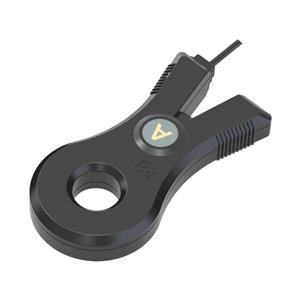
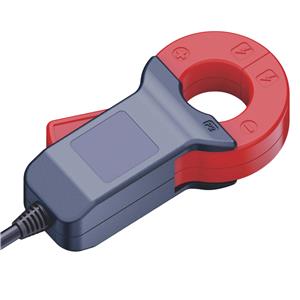
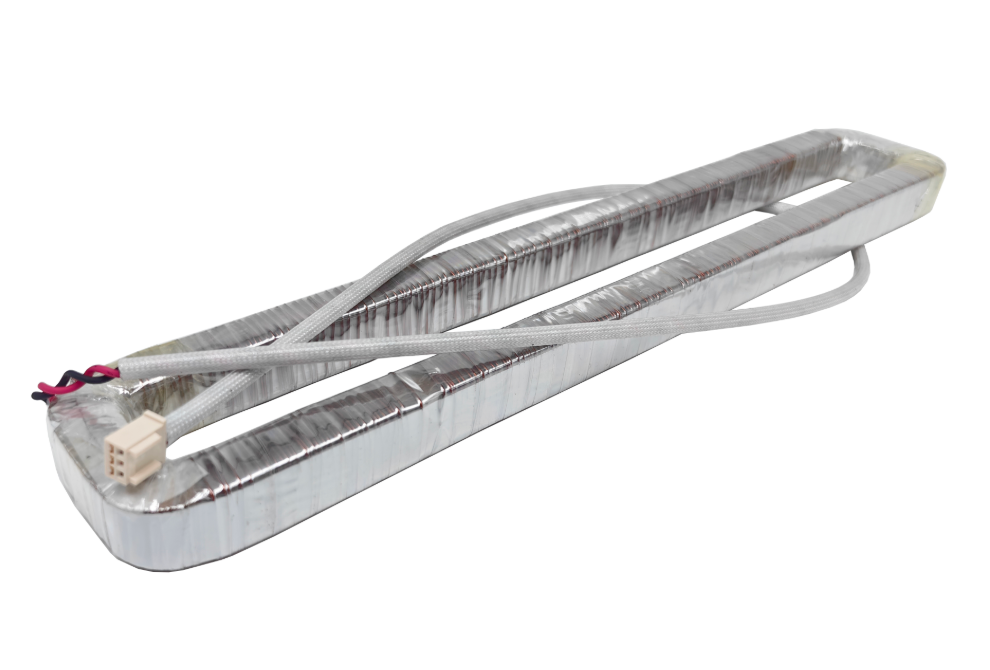
While solid-core zero-sequence CTs are embedded in new equipment designs, the split-core clamp CT offers a transformative advantage for enhancing safety in existing electrical infrastructure. Its defining feature—a hinged or separable core that can be opened and closed around a conductor—enables non-invasive installation and retrofit applications without the need to disconnect or cut the power cable. This is a game-changer for upgrading electrical panels, switchgear, and motor control centers in commercial buildings, industrial plants, and data centers, where system downtime is costly or prohibited. The split-core design allows safety audits, predictive maintenance, and the addition of GFP to critical circuits with minimal disruption. For suppliers of electrical components like Oswell E-Group, which manufactures split-core CTs, this aligns perfectly with the market need for flexible, upgradeable safety solutions. The robust construction of a quality split-core CT ensures that its magnetic circuit remains closed and efficient when clamped, maintaining high measurement accuracy for sensitive residual current detection, even in the vibration-prone environments of industrial facilities. This combination of ease of deployment, operational continuity, and reliable performance makes the split-core CT the pragmatic choice for both proactive safety enhancement and compliance with evolving electrical codes in legacy systems.
Application Spectrum: From Life Safety to Asset and Fire Protection
The utility of split-core ground fault protection CTs extends across a wide spectrum of critical applications, safeguarding both people and property. In low-voltage systems, they are the backbone of Residual Current Devices (RCDs) or Ground Fault Circuit Interrupters (GFCIs), providing life-saving protection against shock in wet locations, construction sites, and residential settings. In industrial and commercial power distribution, they protect against arc faults and insulation deterioration in cables and motors, which can lead to fire. Here, they are integrated with protective relays to provide selective tripping, isolating only the faulted section to maintain overall system uptime. A particularly critical application is in Mission-Critical Facilities, such as data centers and hospitals, where even a minor ground fault can cause disruptive voltage transients or trigger unwanted outages. Continuous monitoring via split-core CTs provides early warning of developing insulation issues. Furthermore, in renewable energy systems like solar PV farms, they are vital for detecting DC ground faults in the array, a known fire risk. The ability of a split-core CT to be installed on live, often complex busbar configurations makes it indispensable for comprehensive protection schemes. By enabling precise, localized fault detection without system shutdown, it transitions safety management from a reactive to a predictive and preventive paradigm, ensuring operational resilience and asset longevity.
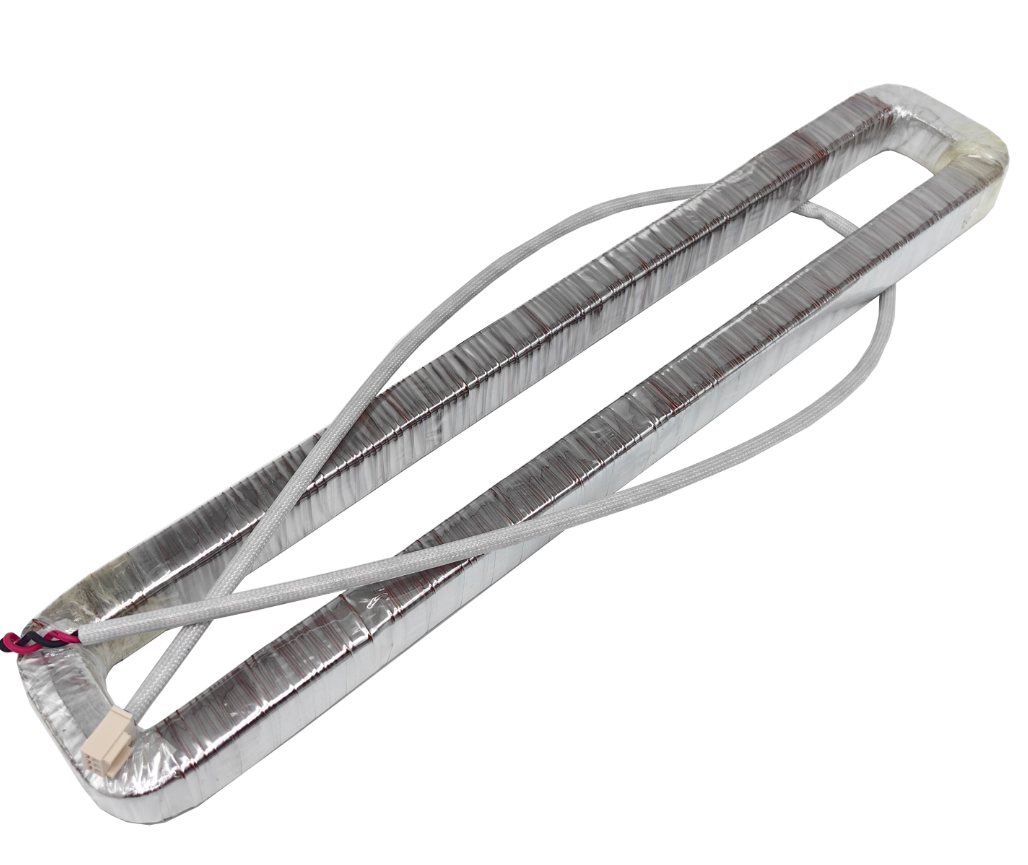
Split-core ground fault protection CTs are far more than mere measurement components; they are dynamic, intelligent sentinels embedded within the electrical infrastructure. By providing a reliable, non-invasive means to detect the dangerous imbalance of ground fault currents, they serve as the critical link between electrical energy and human safety. Their unique design makes advanced electrical protection feasible for both new installations and, more importantly, for the vast landscape of existing systems where safety upgrades are most needed but most challenging. From preventing fatal shocks to averting catastrophic fires and ensuring the uptime of critical operations, the deployment of these sensors represents a fundamental commitment to safety, reliability, and proactive risk management. In essence, the split-core CT is a key enabler in building a safer, more resilient, and code-compliant electrical world.