The Growing Demand for High-Precision Current Measurement Components in Electric Vehicles
The Growing Demand for High-Precision Current Measurement Components in Electric Vehicles
The rapid development of electric vehicles (EVs) is transforming the global automotive industry and creating new demands for high-performance electronic components. As EV manufacturers continue to improve battery capacity, charging speed, and driving efficiency, accurate electrical measurement has become a critical requirement for modern vehicle systems.
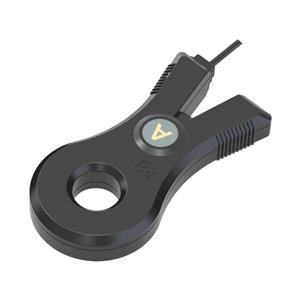
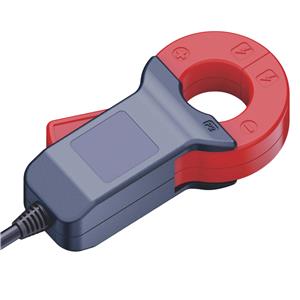
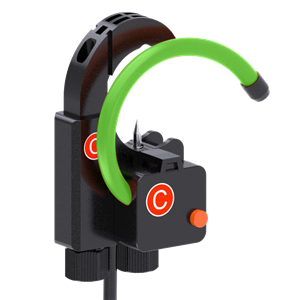
High-precision current measurement components, including current sensors and shunt resistors, are playing an increasingly important role in electric vehicle battery management systems (BMS), charging systems, power converters, and energy monitoring applications. For global EV manufacturers, battery suppliers, and electronic component distributors, selecting reliable current measurement solutions is essential to improving vehicle safety, efficiency, and long-term performance.
With the expansion of electric mobility worldwide, the demand for advanced current measurement technologies continues to grow, creating new opportunities for professional component manufacturers with strong engineering capabilities and customized solutions.
1. Why Electric Vehicles Require More Accurate Current Measurement Technology
Unlike traditional internal combustion vehicles, electric vehicles depend heavily on electrical energy management. Every charging and discharging process requires precise monitoring of current flow to ensure the battery system operates safely and efficiently.
In an EV battery system, current measurement components provide important data for the Battery Management System (BMS). By accurately detecting charging current, discharge current, and power consumption, the BMS can optimize battery performance, estimate remaining energy, and prevent abnormal operating conditions.
As battery technology develops toward higher voltage platforms and larger capacity systems, the requirements for current measurement accuracy are becoming increasingly strict. Small measurement errors can influence battery state estimation, charging efficiency, thermal management, and overall vehicle reliability.
For this reason, automotive manufacturers are increasingly adopting high-precision current sensors and shunt resistors that offer stable resistance values, fast response speed, low power loss, and excellent temperature performance. These components provide the foundation for safer and smarter electric vehicle operation.
2. Key Factors Driving the Demand for High-Precision EV Components
Several major trends in the electric vehicle industry are accelerating the demand for advanced current measurement components.
First, the global transition toward electric transportation is increasing EV production volumes. As more automotive companies launch new electric vehicle models, the need for reliable electronic components continues to expand. Battery systems, charging equipment, and power control modules all require accurate current detection solutions.
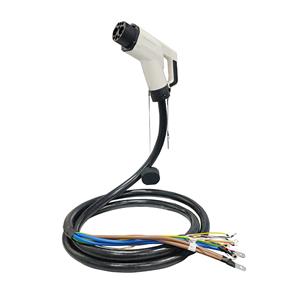
Second, faster charging technology is creating higher performance requirements. Modern EV charging systems operate with higher current levels, which increases the importance of precise measurement and protection. High-quality current sensors help monitor charging conditions, improve energy transfer efficiency, and reduce safety risks caused by abnormal current conditions.
Third, intelligent energy management is becoming a key competitive advantage for electric vehicles. Manufacturers are focusing on extending driving range, improving battery lifespan, and optimizing energy consumption. Accurate current data allows vehicle control systems to make smarter decisions and improve overall efficiency.
For procurement teams, these market trends mean that choosing the right component supplier is more important than ever. Suppliers with strong manufacturing capabilities, quality control systems, and customization experience can provide greater value throughout the product development process.
3. How Advanced Current Measurement Solutions Support Future EV Development
The future of electric vehicles will depend on more intelligent, efficient, and reliable energy management systems. As battery technology continues to evolve, current measurement components will become even more important in supporting next-generation EV platforms.
Advanced shunt resistors and current sensors enable real-time monitoring of electrical conditions across various EV applications, including battery packs, charging stations, onboard chargers, DC-DC converters, and energy storage systems. Their ability to provide accurate measurement data helps manufacturers improve system efficiency and enhance safety protection.
For international buyers, working with an experienced current measurement component supplier offers several advantages. A professional supplier can provide customized solutions based on different current ranges, installation requirements, package designs, and application environments.
In addition, stable production quality and technical support are essential factors when selecting suppliers for automotive applications. EV manufacturers need partners who can support long-term cooperation, maintain consistent product performance, and respond quickly to changing market requirements.
As electric mobility continues to grow globally, high-precision current measurement technology will remain a fundamental element in building safer, more efficient, and more intelligent electric vehicles.
Conclusion
The growing adoption of electric vehicles is creating increasing demand for high-precision current measurement components. From battery management systems to charging infrastructure, accurate current detection technology plays a vital role in improving safety, efficiency, and reliability. For EV manufacturers and global procurement teams, choosing a trusted supplier of current sensors and shunt resistors is an important step toward developing competitive electric mobility solutions. With advanced manufacturing capabilities and customized engineering support, precision current measurement technologies will continue to drive the future growth of the electric vehicle industry.