The Role of Current Measurement Technology in Smart Energy Management Systems
The Role of Current Measurement Technology in Smart Energy Management Systems
The global energy industry is moving toward a smarter and more connected future. With the rapid development of smart grids, renewable energy systems, electric vehicles, and energy storage solutions, accurate energy monitoring has become increasingly important for improving efficiency and optimizing power management.
Current measurement technology plays a fundamental role in smart energy management systems by providing real-time information about electrical consumption, power flow, and system performance. Through advanced current sensors, current transformers, and precision measurement components, energy systems can achieve better control, improved reliability, and higher operational efficiency.
For energy equipment manufacturers, smart meter companies, and system integrators, selecting reliable current measurement solutions is essential for developing intelligent energy platforms that meet the requirements of modern power management.
1. Why Accurate Current Measurement Is Essential for Smart Energy Management
Smart energy management systems rely on accurate data to make intelligent decisions. Whether monitoring electricity consumption in buildings, managing renewable energy generation, or optimizing industrial power usage, precise electrical measurement is the foundation of effective energy control.
Current measurement components provide critical data by detecting the amount of electrical current flowing through a system. This information allows energy management platforms to analyze consumption patterns, identify efficiency opportunities, and optimize power distribution.
For smart grids, accurate current monitoring helps utilities understand electricity demand and improve grid stability. For industrial applications, real-time current data enables companies to reduce energy waste and improve equipment performance. For renewable energy systems, current measurement helps manage energy generation and storage more efficiently.
Without reliable current measurement, energy management systems cannot accurately evaluate system conditions or provide effective optimization strategies. Therefore, high-quality sensing technology has become a key element in building smarter and more sustainable energy infrastructure.
2. How Current Sensors and Current Transformers Improve Energy Efficiency
Modern smart energy systems use different current measurement technologies depending on application requirements. Current sensors and current transformers are widely used solutions that provide accurate electrical monitoring for various industries.
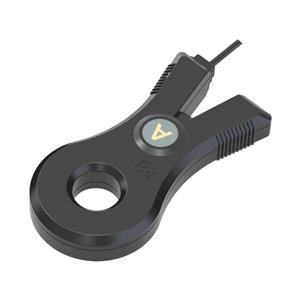
Current sensors are commonly used in applications requiring precise and fast measurement, such as electric vehicles, battery management systems, power electronics, and energy storage solutions. They provide real-time current information that helps control system performance and improve energy efficiency.
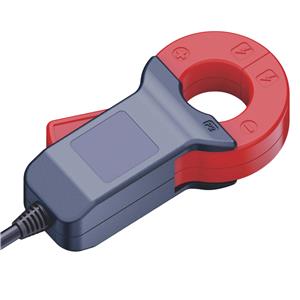
Current transformers are widely applied in power distribution and smart meter systems because they can safely measure high currents while providing reliable electrical signals for monitoring and control equipment.
For manufacturers and procurement teams, choosing the right measurement technology depends on several factors, including:
Measurement accuracy requirements
Current range and operating conditions
Installation environment
System reliability requirements
Long-term maintenance needs
Professional suppliers with experience in electrical measurement solutions can help customers select suitable components and provide customized designs according to specific application scenarios.
3. Future Trends of Intelligent Energy Systems and Measurement Technology
The future of energy management will be driven by digitalization, renewable energy integration, and intelligent control systems. As energy networks become more complex, the demand for accurate and reliable measurement technology will continue to increase.
Smart grids will require advanced monitoring solutions to balance energy supply and demand. Energy storage systems will need precise current measurement to optimize charging and discharging processes. Electric vehicle charging networks will rely on accurate measurement technologies to improve efficiency and reliability.
For global manufacturers, this creates new opportunities for advanced electrical component suppliers. Companies that can provide reliable current sensors, current transformers, and customized measurement solutions will play an important role in supporting the future energy ecosystem.
From smart meters to electric vehicles and renewable energy applications, accurate current measurement technology connects different parts of the modern energy system. By improving visibility, control, and efficiency, these technologies help organizations achieve smarter and more sustainable energy management.
Conclusion
Current measurement technology is a critical foundation for modern smart energy management systems. By providing accurate and reliable electrical data, current sensors and current transformers help improve energy efficiency, optimize power distribution, and support intelligent decision-making. For smart meter manufacturers, energy system developers, and global procurement teams, selecting high-quality measurement components is essential for building reliable and future-ready energy solutions.