Understanding the Importance of Accuracy Class in Electrical Measurement Components
Understanding the Importance of Accuracy Class in Electrical Measurement Components
Accurate electrical measurement is essential for modern power systems, smart grids, industrial automation, and energy management applications. As electrical networks become more intelligent and complex, the performance requirements for measurement components continue to increase.
Among the most important specifications of electrical measurement components, accuracy class plays a critical role in determining measurement reliability. Whether using current transformers, current sensors, or precision measurement devices, selecting the correct accuracy class directly affects system performance, energy management efficiency, and measurement results.
For smart meter manufacturers, electrical equipment suppliers, and procurement teams, understanding accuracy class is essential when selecting reliable measurement components for different applications.
1. What Is Accuracy Class and Why Does It Matter in Electrical Measurement?
Accuracy class refers to the maximum allowable measurement error of an electrical measurement component under specified operating conditions. It indicates how closely the measured value matches the actual electrical value.
In applications such as smart meters, power monitoring systems, and industrial energy management, measurement accuracy directly affects system reliability and decision-making. A component with poor accuracy may lead to incorrect energy calculations, inefficient power management, and unreliable system analysis.
For example, in smart grid applications, inaccurate measurement data can affect electricity distribution decisions and energy management strategies. In industrial environments, measurement errors may result in inefficient equipment operation or increased energy costs.
Accuracy class helps engineers select components based on application requirements. Different industries may require different accuracy levels depending on whether the priority is billing accuracy, system monitoring, protection, or general measurement.
Common factors influenced by accuracy class include:
Measurement precision
Energy monitoring reliability
System efficiency analysis
Power quality management
Equipment protection performance
2. How Accuracy Class Affects Current Transformers and Current Sensors
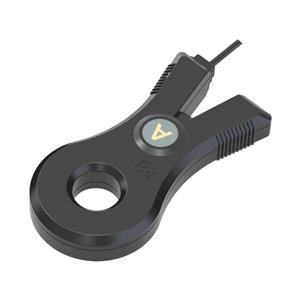
Current transformers and current sensors are widely used in electrical measurement systems, and accuracy class is one of the key specifications engineers evaluate during product selection.
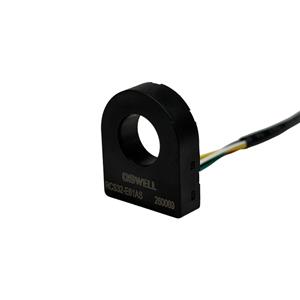
For current transformers, accuracy class determines how precisely the transformer converts high current into measurable signals. In smart meters and power distribution systems, high accuracy is especially important because measurement results may directly affect energy monitoring and billing processes.
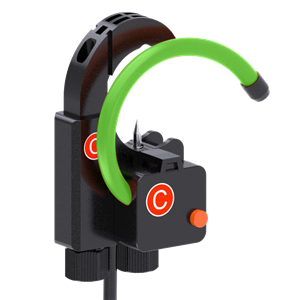
For current sensors, accuracy requirements depend on the application. Electric vehicles, battery management systems, and energy storage solutions require highly precise current measurement because small errors can affect battery estimation, energy efficiency, and system control.
When selecting measurement components, engineers should consider several technical factors:
Application Requirements:
Different applications require different accuracy levels. A smart meter used for energy billing may require higher accuracy compared with a general monitoring system.
Operating Conditions:
Temperature changes, current fluctuations, and environmental conditions can influence measurement performance. Reliable components should maintain accuracy throughout the operating range.
Long-Term Stability:
Electrical measurement devices often operate continuously for many years. Components with stable accuracy performance help reduce maintenance requirements and improve system reliability.
For procurement teams, choosing a supplier with strong quality control and testing capabilities ensures consistent accuracy performance across large production volumes.
3. Selecting the Right Electrical Measurement Components for Future Energy Applications
As industries move toward smarter energy management, renewable energy integration, and electrification, the demand for high-accuracy measurement components continues to grow.
Future applications such as smart grids, electric vehicles, energy storage systems, and industrial automation require measurement technologies that can provide accurate, stable, and real-time electrical data.
When selecting electrical measurement components, companies should evaluate not only accuracy class but also:
Product reliability
Temperature performance
Response speed
Customization capability
Supplier manufacturing experience
Professional suppliers with expertise in current transformers, current sensors, and precision measurement solutions can help customers choose suitable products based on their application requirements.
For global manufacturers, accurate measurement is not simply a technical specification—it is a foundation for improving energy efficiency, optimizing system performance, and developing more reliable products.
As the global energy industry continues to evolve, electrical measurement components with excellent accuracy performance will remain essential for building smarter and more efficient energy systems.
Conclusion
Accuracy class is a fundamental factor in determining the performance of electrical measurement components. From current transformers used in smart meters to current sensors applied in EV and energy storage systems, precise measurement technology ensures reliable data and efficient energy management. For manufacturers and procurement teams, selecting components with suitable accuracy performance and partnering with experienced suppliers are essential steps toward developing reliable and future-ready electrical systems.