What Buyers Should Check Before Combining Current Measurement, Voltage Sensing, And Switching Components In One System
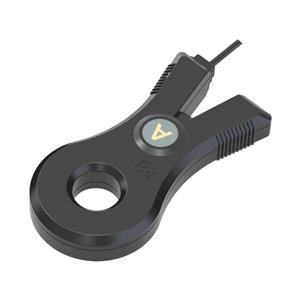
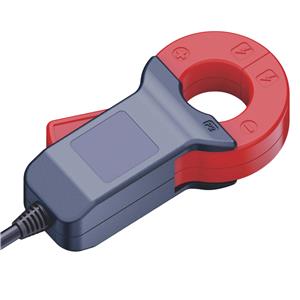
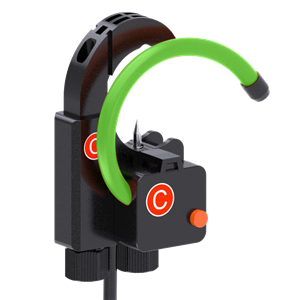
Combining current measurement, voltage sensing, and switching inside one product creates value, but also multiplies interface risk. A system that contains CTs or shunts, VTs or direct-voltage inputs, and latching relays or other switching devices needs a unified electrical logic. Metering manuals and component references show that the biggest failures happen when scaling, isolation assumptions, burden, and switching duty are checked separately instead of together.
Confirm Signal Scaling And Input Compatibility
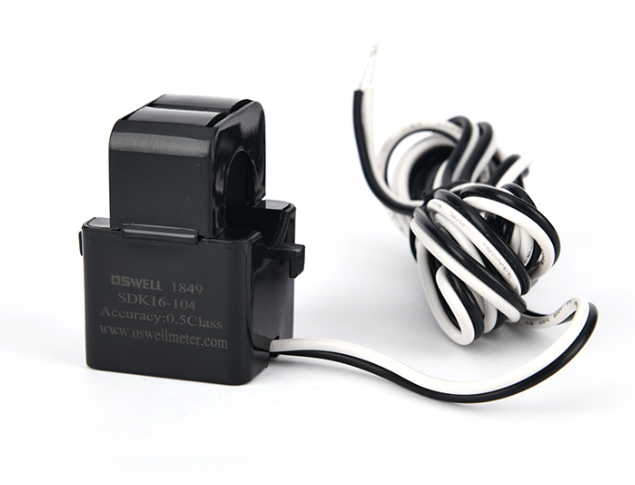
The first check is whether the current and voltage signals are entering the system in the expected format. Are you using a CT or a shunt? Is the voltage input direct or transformer-scaled? Are the meter or controller settings programmed for the actual primary and secondary values? Wrong signal format is one of the fastest ways to create a “working” system that still produces incorrect data.
Confirm Isolation, Safety, And Switching Duty On The Same Drawing
The second check is whether the sensing path and switching path share the same safety assumptions. Hall sensors and CTs naturally support galvanic isolation in many applications. Shunt solutions may need more careful isolation planning. Relays add another layer, because switching duty and dielectric requirements must be consistent with the rest of the system. A design is only coherent when isolation, creepage, input path, and switching behavior fit one electrical safety strategy.
Confirm Commissioning Logic Before Mass Purchase
The third check is commissioning behavior. Can the relay be driven by the real control board? Can the current and voltage paths be calibrated in the installed condition? Can burden, phase correction, or shunt offset be handled without redesign? Components that look individually qualified may still create commissioning friction if these questions are left unanswered.
Before combining sensing and switching parts in one system, buyers should verify signal format, safety logic, and commissioning method together. That is what turns a parts list into a working product.