What Should Buyers Check Before Ordering A Smart Meter Rela
Check Load Capacity, Contact Performance, And Electrical Fit First
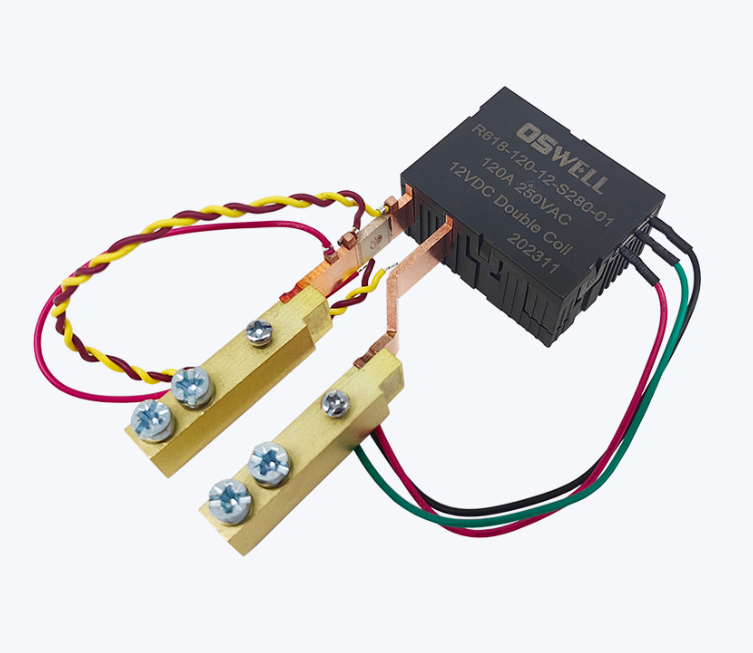
The first thing buyers should confirm is whether the relay truly matches the meter’s real electrical duty, not just the nominal rating printed on a datasheet. A smart meter relay may look acceptable on paper, but the actual application may involve inrush current, load switching frequency, over-current events, or repeated remote disconnect operations that are much more demanding than a basic current number suggests. For this reason, rated current, switching voltage, switching power, contact arrangement, and short-circuit tolerance should all be reviewed together instead of one by one.
Contact performance is especially important because it directly affects heat, energy loss, and long-term stability. Low contact resistance generally helps reduce temperature rise and improves efficiency, but buyers should also pay attention to how stable that contact resistance remains after repeated switching. In a real metering environment, relay contact wear does not usually fail on day one. It builds over time through switching stress, arc exposure, load conditions, and temperature cycling. If a relay is expected to operate in a smart meter for years, the question is not only whether it can switch today, but whether it can keep switching cleanly and consistently after thousands of cycles.
Electrical fit also includes the coil and drive architecture. Single-coil and dual-coil latching relays are both used in metering applications, but they are not interchangeable from a control standpoint. Texas Instruments notes that a single-coil latching relay typically switches with a short current pulse in one direction or the other and often needs an H-bridge drive, while a dual-coil design simplifies drive control because each coil handles one switching direction. That means buyers should check not only coil voltage, but also pulse duration, driver design, MCU compatibility, and whether the existing control board is really built for that relay type.
Check Reliability, Standards, And The Tests That Prove Real Field Suitability
A smart meter relay should never be judged by appearance or initial switching only. Buyers should look for the evidence that it can survive actual field conditions over time. That means checking electrical life, mechanical life, operate time, release time, insulation resistance, dielectric strength, temperature range, humidity tolerance, and resistance to shock and vibration. Relay makers serving demanding applications routinely publish these kinds of values because long-term field performance depends on far more than simple on-off action.
Standards matter because they separate a basic switching component from a relay that is genuinely suitable for smart metering. Industry references on smart meter relay design point to IEC 62055-31 as an important benchmark, and many meter projects now expect UC3 compliance because it reflects stronger short-circuit and over-current capability than lower utilization categories. In practical terms, this means buyers should check whether the relay is only acceptable for light-duty switching or whether it has been designed for the tougher fault conditions that real metering systems may face.
Testing is the bridge between claims and confidence. Before ordering, buyers should pay close attention to temperature-rise data, contact resistance behavior after endurance testing, short-circuit tolerance, dielectric performance, and consistency under environmental stress. A relay with low initial power consumption is attractive, but that does not automatically mean it will remain stable after years of heat, vibration, humidity, or switching wear. The best purchasing decision comes from checking the test points that mirror actual meter operation, not only the neatest values on page one.
Check Integration Risk, Batch Consistency, And Total Ownership Cost
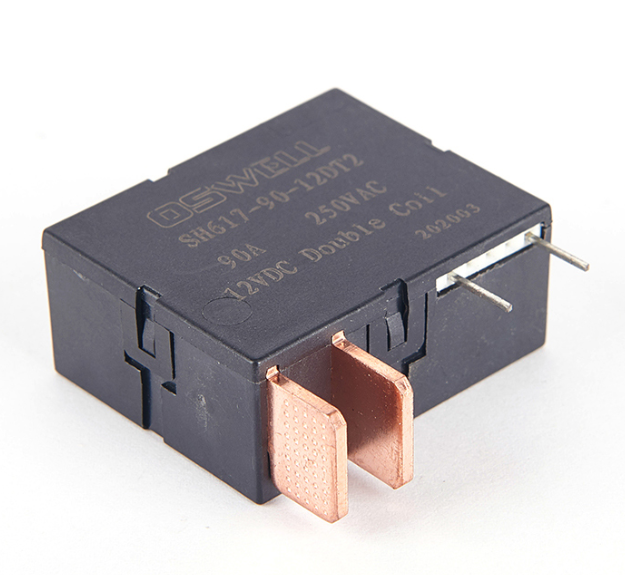
For buyers, the real risk often begins after the sample stage. A relay may perform well in early validation, yet later create production or field problems because of dimensional mismatch, inconsistent batch performance, or integration issues with the control board and enclosure. That is why outline size, terminal style, mounting method, insulation clearances, and wiring compatibility deserve just as much attention as electrical ratings. A smart meter relay that fits poorly into the final product can increase assembly difficulty, raise failure risk, and reduce service efficiency.
Batch consistency is another critical checkpoint before placing a real order. In smart meter programs, one good sample is not enough. Buyers should think in terms of repeated production performance: stable coil behavior, consistent contact resistance, predictable switching response, and uniform mechanical tolerances from lot to lot. If the relay’s behavior shifts between batches, the result may be false field alarms, irregular disconnect behavior, or unexpected quality costs. From a purchasing standpoint, consistency is not a bonus. It is one of the foundations of scalable meter production.
Finally, smart meter relay selection should always be linked to total cost of ownership, not only piece price. A lower unit price can be attractive during quotation review, but if it leads to higher temperature rise, shorter electrical life, more replacements, more field complaints, or more engineering work in the drive circuit, the project becomes more expensive overall. The smarter question is this: will this relay help keep the meter safe, reliable, energy-efficient, and predictable over the full service life? Buyers who focus on that question usually make better long-term decisions than buyers who only compare quotes.
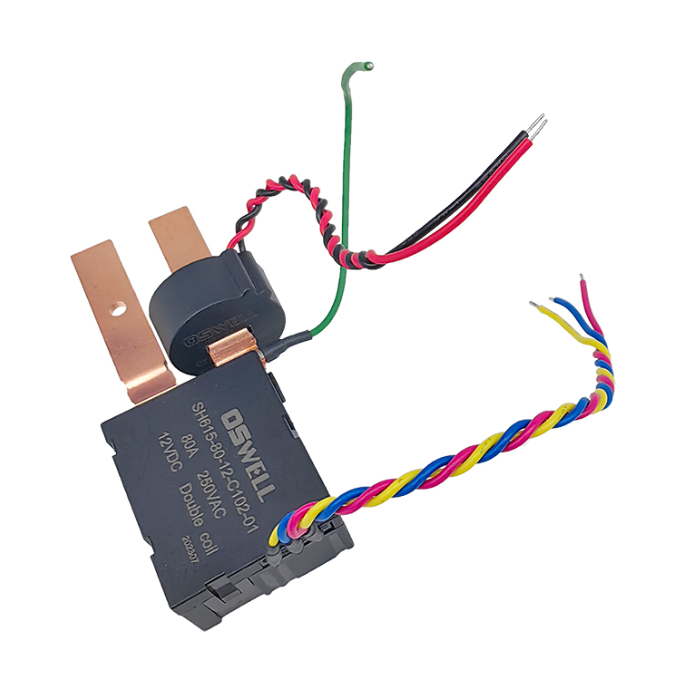
Before ordering a smart meter relay, buyers should check three things in depth: whether the relay truly matches the electrical load and drive architecture, whether reliability and standards are supported by meaningful test data, and whether the relay can stay consistent and integration-friendly in real production. A smart meter relay is not just a switching part. It is a field-risk component, a cost-of-ownership decision, and a key factor in long-term meter performance.