What Should Buyers Check Before Ordering A Split-Core Clamp CT
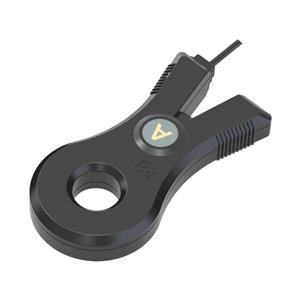
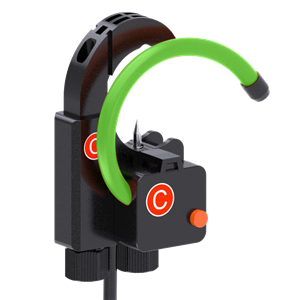
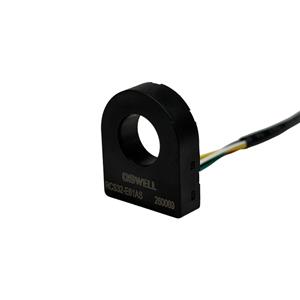
A split-core clamp CT is often chosen because it can be installed around an existing conductor without disconnecting the wire, which makes it especially useful in retrofit metering, energy monitoring, and panel upgrade projects. But that installation convenience can also lead to poor purchasing decisions if the focus stays only on current rating and price. Before ordering, buyers should confirm whether the CT’s output type, ratio, window size, accuracy behavior, polarity, and installation structure actually match the meter or monitoring device in the final application. Split-core models on the market range from safe 333 mV electronic-metering versions to traditional 1 A or 5 A secondary-output versions, and they are not interchangeable just because they look similar.
Check Output Type, Meter Compatibility, And Measurement Architecture First
The first checkpoint is output compatibility. Some split-core clamp CTs are built for electronic meters and instrumentation with a low-voltage secondary such as 333 mV, while many panel meters and power analyzers are designed for external current transformers with ../1 A or ../5 A secondary inputs. For example, Eaton and Accuenergy both position 333 mV split-core models for electronic metering applications, while Janitza’s UMG 96RM manual states that its current inputs are intended for external ../1 A or ../5 A CTs. If the meter expects 5 A and the CT outputs 333 mV, the selection is wrong even if the current range looks perfect on paper.
Buyers should also verify whether the CT is meant for AC current only, and whether the operating frequency matches the application. Janitza explicitly states that its transformer-based current inputs measure AC currents only, not DC, while Banner and Accuenergy specify 50/60 Hz operation for the split-core products shown in their documentation. That means the right purchase is not just about rated amperage. It is about whether the CT fits the real signal type, input architecture, and frequency conditions of the system.
In practical procurement terms, this is the point where many avoidable mistakes happen. A split-core clamp CT may appear “universal,” but the system behind it is not universal. The meter input, secondary format, wiring expectation, and scaling setup all need to line up from the start. Getting this wrong can create measurement errors, wiring rework, or a complete mismatch during commissioning.
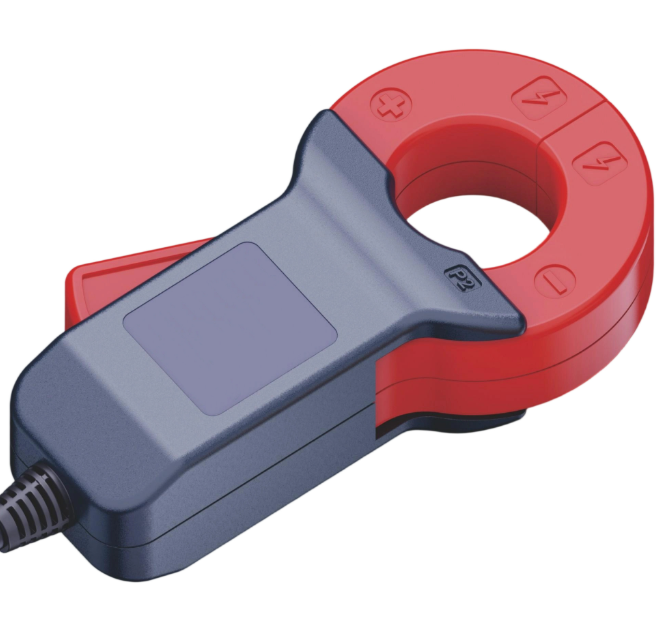
Check Window Size, Ratio, Accuracy, And Burden Together
The second checkpoint is physical fit plus measurement fit. Window size matters because a split-core clamp CT must close cleanly around the actual conductor or busbar. Product data from Leviton and Accuenergy shows that window openings vary widely across models, from small openings for lighter loads to large apertures for bigger conductors and busbars. Buyers should check not only whether the conductor can pass through the opening, but also whether the CT can be seated and latched properly inside the real enclosure.
Ratio and accuracy should be reviewed together, not separately. CR Magnetics states that burden and accuracy are interdependent, and that lower burden resistance generally improves accuracy. Its split-core data also shows that accuracy can vary significantly by ratio and burden, with some 5 A models ranging from ±5% at lower ratios to ±1% at higher ratios and specified VA burdens. On the other hand, Accuenergy positions its 333 mV split-core series as revenue-grade with 1% accuracy from 5% to 120% of rated current. This means buyers should decide early whether the job is rough load indication, building energy monitoring, submetering, or more serious cost-allocation work, because the required accuracy level changes with the project purpose.
A good purchase decision therefore asks four linked questions at the same time: Is the window large enough? Is the ratio correct? Is the meter burden or input type compatible? And is the accuracy level good enough for the intended use? Treating any one of these in isolation increases the chance of ordering a CT that fits mechanically but not electrically, or fits electrically but not accurately enough for the job.
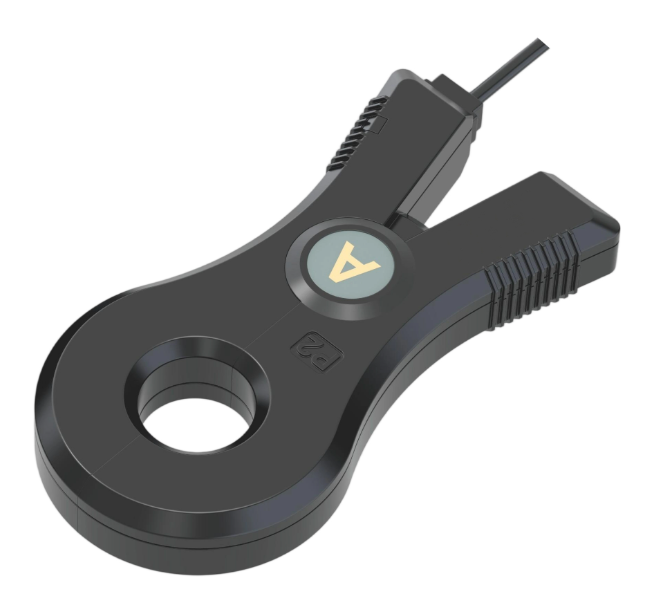
Check Polarity, Installation Safety, Closure Quality, And Long-Term Use Conditions
The third checkpoint is installation behavior and lifecycle risk. Banner’s installation guide states that the CT direction arrow must point toward the load and that the CT should be installed on a single conductor only. Accuenergy likewise marks phase orientation toward the load and identifies wire polarity on the secondary side. This matters because a split-core clamp CT is often purchased specifically for quick retrofit work, and quick installation can easily become wrong installation if polarity and conductor placement are not checked carefully.
Safety is another major issue, especially for 1 A and 5 A transformer circuits. Janitza warns that open current transformers can produce dangerous high-voltage peaks at the secondary terminals, and it instructs users to short-circuit the CT secondary before disconnecting the meter input. Even where “open-safe” language exists in the market, the manual still warns that such CTs remain dangerous to touch in open operation. Buyers should therefore look at secondary type, service procedure, and maintenance behavior before ordering, not only at normal operating specs.
Finally, long-term performance depends on how well the CT closes, locks, and survives the actual environment. Leviton states that its split-core CTs are designed to close and lock for secure seating, helping avoid improper seating or core separation, while Accuenergy specifies indoor use, 600 VAC CAT III insulation, 3 kV withstand voltage, and an operating range of -20 °C to 55 °C for the series shown. Those details matter because poor closure, the wrong environment, or the wrong safety category can quietly damage data quality and system reliability long after installation day.
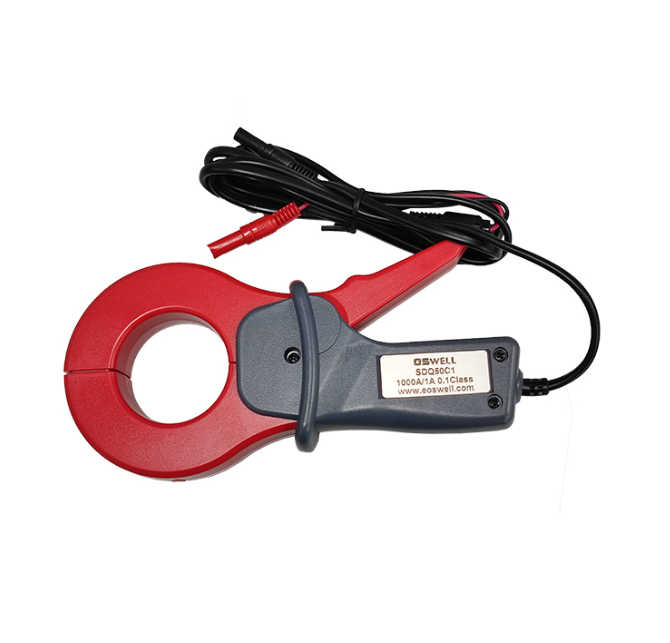
Before ordering a split-core clamp CT, buyers should check five things together: output compatibility, window and ratio fit, burden and accuracy behavior, polarity and installation rules, and long-term environmental and safety suitability. A split-core clamp CT is easy to install, but easy installation does not guarantee correct measurement. The better purchase is usually the one that matches the meter input, fits the conductor cleanly, preserves the required accuracy under real burden conditions, and remains safe to install and service over time.