What Should Buyers Compare When Choosing Between CTs, Rogowski Coils, Hall Sensors, And Shunt Resistors
When multiple current-sensing options seem to fit the same project, buyers often compare the wrong things first. Rated current alone is not enough. A more useful comparison starts with five questions: what waveform needs to be measured, what level of isolation is required, how much accuracy is needed across temperature, how the sensor will be installed, and what hidden system cost comes with each choice. TI, Allegro, Analog Devices, and product-level current sensing references all show that these technologies trade off accuracy, burden, phase behavior, heat, and installation complexity in very different ways.
Compare Measurement Principle And Signal Fit
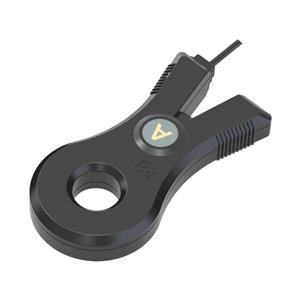
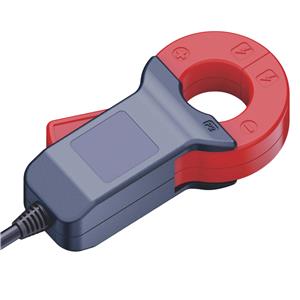
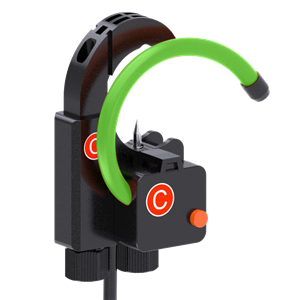
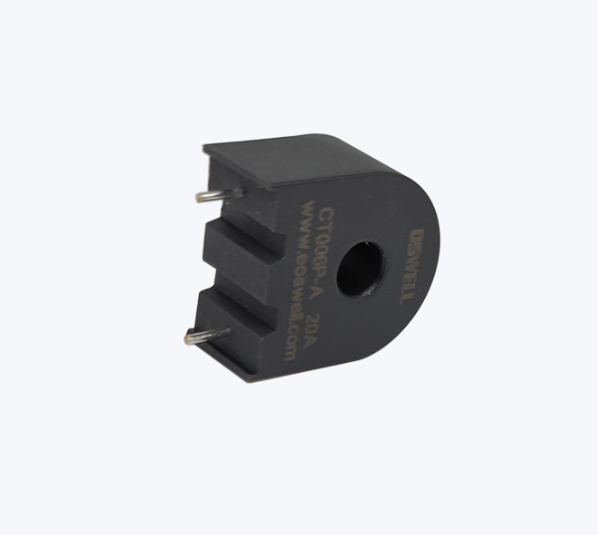
CTs and Rogowski coils are fundamentally AC solutions, while Hall sensors and shunts can serve DC applications much better. CTs are often preferred for precision AC metering because of their linearity and low power loss. Rogowski coils are strong where the conductor is large, retrofit installation is difficult, or harmonic and transient current behavior matters. Hall sensors provide isolated sensing for AC and DC, while shunt resistors remain common where the designer wants direct, low-cost, high-accuracy current measurement and can tolerate the insertion loss.
Compare Accuracy Under Real Conditions, Not At No-Load
Buyers should also compare how each solution behaves under real burden, temperature, and low power factor conditions. CTs can introduce phase error, and that phase error matters in metering. Shunt resistors can be very accurate, but TCR and PCB parasitics matter. Hall sensors simplify isolation and reduce insertion loss, but precision class and drift must be verified. Rogowski coils can cover wide AC ranges, but the signal chain and integrator quality affect the final result. The right comparison is not “which sensor is most accurate in theory,” but “which one stays accurate in my actual environment.”
Compare Installation Burden And Total Ownership Cost
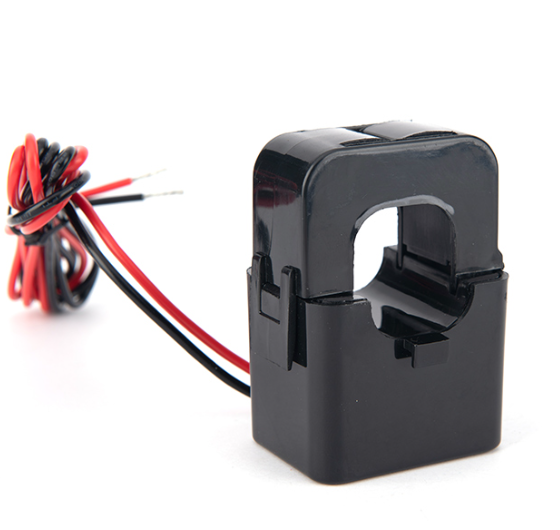
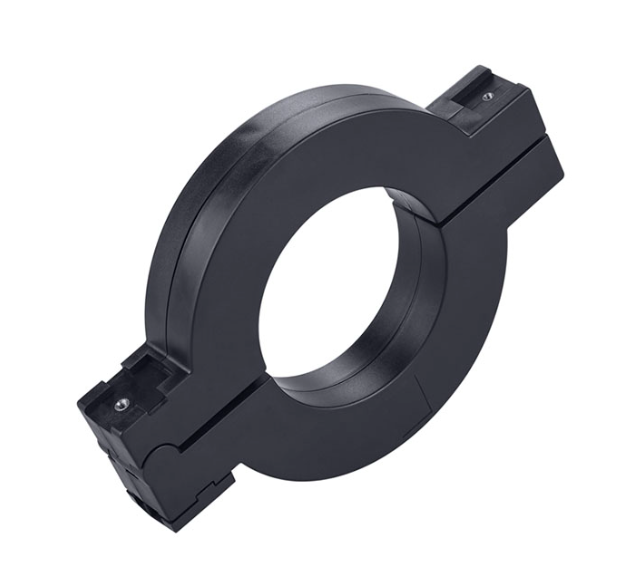
Finally, compare what each technology does to installation, safety, calibration, and long-term maintenance. Split-core CTs and Rogowski coils can save major field labor in retrofit projects. Hall sensors can reduce thermal burden and give safer isolated detection. Shunts may be cheaper to buy, but may require more attention to heat, layout, and calibration. Once the project moves beyond quotation stage, those differences become more important than unit price alone.
The right comparison framework is simple: compare signal type, isolation need, real accuracy, installation method, and lifecycle cost. Buyers who compare only rated current and quotation price almost always miss the most expensive risks.