Why Accurate Current Measurement Is Critical for Electric Vehicle Charging Systems
Why Accurate Current Measurement Is Critical for Electric Vehicle Charging Systems
The rapid expansion of electric vehicles (EVs) is accelerating the development of global charging infrastructure. As more electric vehicles enter the market, charging systems are required to deliver faster charging speeds, higher power output, and improved safety performance. Behind every reliable EV charging system, accurate electrical measurement technology plays a critical role in controlling power flow and protecting both vehicles and charging equipment.
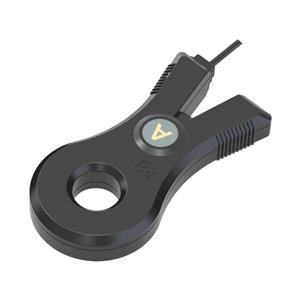
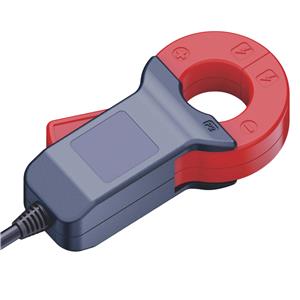
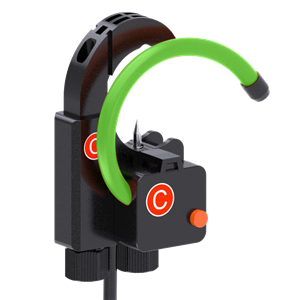
Current measurement components, including precision current sensors and shunt resistors, are essential parts of modern electric vehicle charging systems. They provide real-time information about charging current, energy consumption, and system conditions, helping charging equipment manufacturers improve efficiency, safety, and user experience.
For EV charger manufacturers and procurement teams, selecting high-quality current measurement solutions is a key factor in developing reliable charging products. Accurate current monitoring not only improves charging performance but also helps reduce system failures and extend equipment service life.
1. The Important Role of Current Measurement in EV Charging Safety and Efficiency
Electric vehicle charging involves high levels of electrical power, especially in fast charging applications. During charging, current levels can change significantly depending on battery status, charging speed, and environmental conditions. Without accurate current monitoring, charging systems may experience problems such as overcurrent, overheating, unstable power delivery, or reduced charging efficiency.
Precision current measurement allows charging systems to continuously monitor electrical conditions and adjust charging parameters in real time. By providing accurate current data, sensors and measurement components help charging controllers maintain safe charging processes and prevent potential damage to batteries or electronic components.
For DC fast charging systems, accurate current detection is even more important. Higher charging power creates greater demands on electrical components, requiring measurement solutions that can maintain stable performance under high current loads. Reliable current sensors and shunt resistors ensure that charging equipment can operate safely while delivering consistent power output.
In addition to safety protection, accurate measurement also improves energy management. Charging operators can use precise current data to calculate energy consumption, optimize charging efficiency, and provide better monitoring capabilities for commercial charging networks.
2. Key Considerations When Selecting Current Sensors for EV Chargers
For EV charging equipment manufacturers, choosing the right current measurement component requires careful evaluation of performance, reliability, and application requirements. The lowest-cost solution is not always the best choice, especially when components directly affect charging safety and long-term system stability.
Measurement accuracy is one of the most important factors. A highly accurate current sensor allows the charging system to better control power delivery and improve energy management. This is particularly important for fast chargers, where small measurement errors can affect charging efficiency and system protection.
Thermal stability is another critical requirement. Charging systems often operate continuously for long periods, generating significant heat inside electrical components. High-quality current measurement solutions should maintain stable performance under temperature variations and heavy operating conditions.
Mechanical design and integration flexibility are also important for procurement teams. Different charging systems may require different installation methods, current ranges, package sizes, or electrical interfaces. Suppliers with customization capabilities can provide solutions that better match specific charger designs.
In addition, global buyers should consider supplier manufacturing capability, quality control processes, and technical support. A reliable supplier can help reduce product development risks and ensure consistent performance throughout large-scale production.
3. Future Trends of Current Measurement Technology in EV Charging Infrastructure
The global EV charging market is moving toward higher power output, smarter energy management, and wider charging network deployment. These trends are creating new requirements for advanced current measurement technologies.
Future charging systems will need more accurate and intelligent monitoring capabilities to support ultra-fast charging, renewable energy integration, and smart grid applications. Current sensors and precision shunt resistors will continue to play an important role in enabling these developments.
As charging infrastructure becomes more connected, real-time electrical data will become increasingly valuable. Accurate current measurement helps charging operators monitor equipment performance, improve maintenance efficiency, and optimize energy usage across large charging networks.
For manufacturers and suppliers in the EV industry, investing in reliable current measurement solutions is not only about improving current products but also preparing for the next generation of electric mobility. Companies that provide high-performance sensing technologies will become important partners in the continued growth of global EV charging infrastructure.
Conclusion
Accurate current measurement is a fundamental requirement for safe, efficient, and intelligent electric vehicle charging systems. From preventing overcurrent risks to improving energy management and charging performance, precision current sensors and shunt resistors provide essential support for modern EV infrastructure. For charging equipment manufacturers and global procurement teams, selecting reliable current measurement components and experienced suppliers is a key step toward developing competitive and future-ready charging solutions.