Why High Precision Current Sensors Are Essential for Renewable Energy Systems
Why High Precision Current Sensors Are Essential for Renewable Energy Systems
The global transition toward renewable energy is accelerating as industries and governments focus on cleaner and more sustainable power solutions. Solar energy, wind power, and energy storage systems are becoming increasingly important parts of modern energy infrastructure.
However, renewable energy systems often experience changing power conditions due to weather variations, energy generation fluctuations, and different consumption patterns. To ensure stable operation and efficient energy management, accurate electrical measurement technology has become essential.
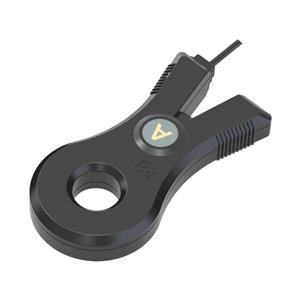
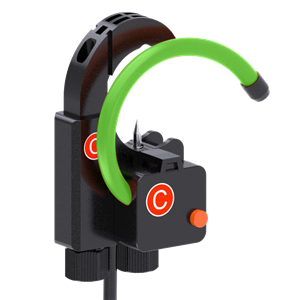
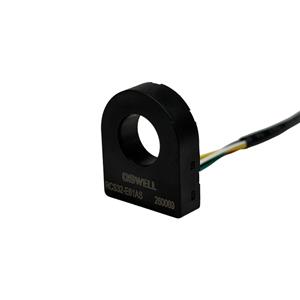
High precision current sensors provide real-time monitoring of electrical current, helping renewable energy systems improve efficiency, enhance safety, and optimize power management. For solar system manufacturers, energy storage providers, and electrical equipment buyers, selecting reliable current sensing solutions is a key factor in building advanced renewable energy applications.
1. The Importance of Current Measurement in Renewable Energy Systems
Renewable energy systems are different from traditional power generation systems because energy production is often affected by external conditions. Solar output changes with sunlight intensity, while wind power varies depending on weather conditions.
These fluctuations create higher requirements for energy monitoring and control. Accurate current measurement allows system operators to understand real-time power generation, energy conversion efficiency, and storage conditions.
Current sensors provide essential data for renewable energy systems by monitoring:
Solar panel power output
Battery charging and discharging current
Inverter operation
Energy distribution performance
Grid connection conditions
Without accurate current measurement, renewable energy systems may experience inefficient power conversion, inaccurate energy calculations, and reduced operational performance.
High precision current sensors help ensure that energy management systems receive reliable data, allowing controllers to optimize power flow and improve overall system efficiency.
2. How High Precision Current Sensors Improve Renewable Energy Efficiency
In renewable energy applications, measurement accuracy directly affects system performance. Even small measurement errors can influence energy calculations, battery management decisions, and power conversion efficiency.
High precision current sensors provide several important advantages:
Accurate Energy Monitoring:
Precise current measurement helps operators understand actual energy production and consumption, improving energy management decisions.
Better Battery Storage Control:
In renewable energy systems combined with battery storage, current sensors help monitor charging and discharging processes, improving battery protection and lifespan.
Improved Inverter Performance:
Inverters rely on accurate electrical data to convert renewable energy into usable power efficiently. Reliable current measurement helps optimize inverter operation.
Enhanced System Safety:
Current sensors help detect abnormal electrical conditions and support protective control strategies.
For procurement teams, choosing the right current sensor requires evaluating several factors:
Measurement accuracy
Operating temperature range
Current capacity
Long-term stability
Environmental adaptability
Working with experienced current sensor manufacturers allows renewable energy companies to obtain customized solutions that match specific system requirements.
3. Future Trends of Renewable Energy and Advanced Measurement Technology
The future development of renewable energy will depend on smarter monitoring, improved energy storage, and stronger integration with intelligent power networks.
As renewable energy systems become larger and more complex, the demand for advanced current measurement technology will continue to increase.
Future applications will include:
Large-scale solar power plants
Wind energy systems
Battery energy storage systems
Smart grid integration
Distributed energy resources
These applications require current sensors that can provide accurate, stable, and reliable performance under different operating environments.
For global renewable energy manufacturers and system integrators, partnering with professional measurement component suppliers can improve product reliability and accelerate technology development.
As the world continues moving toward cleaner energy solutions, high precision current sensors will remain an essential technology supporting efficient energy generation, storage, and management.
Conclusion
High precision current sensors are becoming increasingly important in renewable energy systems by providing accurate electrical data for monitoring, control, and optimization. From solar power generation and battery storage to smart grid applications, reliable current measurement technology helps improve efficiency, safety, and system performance. For renewable energy manufacturers and procurement teams, choosing experienced current sensor suppliers is essential for developing reliable and future-ready energy solutions.