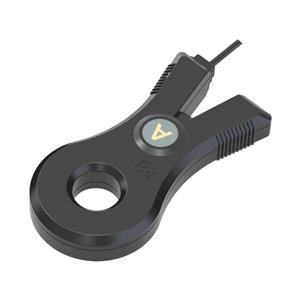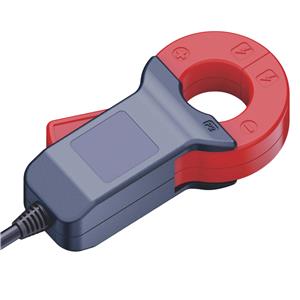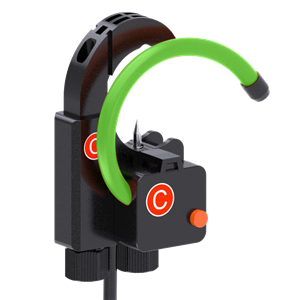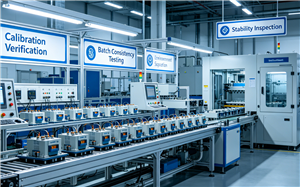
A metering CT becomes stable in real smart meter applications when it can maintain predictable ratio behavior, good linearity, proper burden compatibility, thermal consistency, and repeatable batch quality across practical operating conditions. Stability is not only about one good sample or one short test result. It is about whether the current transformer can continue supporting reliable measurement performance in real design, real production, and real field service. When these factors are evaluated together, project teams can choose CTs that bring stronger accuracy control and lower long-term risk.
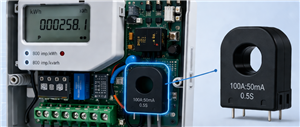
Preventing accuracy drift in smart meter current transformer selection requires more than checking one nominal performance value. The right CT should support stable ratio behavior, good linearity, proper burden compatibility, reliable thermal performance, mechanical consistency, and repeatable batch quality. When these factors are evaluated together in the context of the real smart meter design, project teams can reduce drift risk, improve calibration stability, and build meters with stronger long-term measurement reliability.
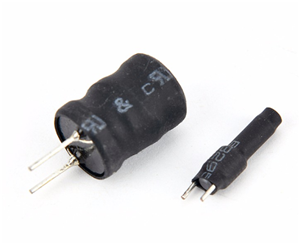
Long-term stability is not one test item. It is a combined result of headroom, drift behavior, and real system integration. Buyers who validate all three reduce lifecycle surprises dramatically.