Renewable energy applications, particularly solar power systems, are rapidly gaining popularity as sustainable alternatives to traditional energy sources. Energy Metering Integrated Circuits (ICs) play a crucial role in these settings, enabling efficient energy harvesting and monitoring system performance. This article explores the significance of Energy Metering ICs in renewable energy applications, highlighting their ability to enhance energy generation and optimize overall system efficiency.
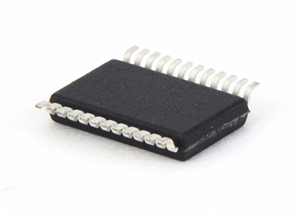
The world of energy metering is witnessing a technological revolution driven by innovative Integrated Circuit (IC) designs. These advancements are set to transform the industry, bringing about increased efficiency, enhanced accuracy, and improved functionality. At the forefront of this progress are energy metering ICs, which boast cutting-edge features that push the boundaries of meter performance.
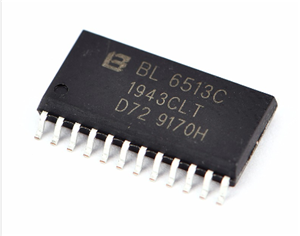
The journey to achieving accurate energy measurements revolves around the meticulous process of calibrating Energy Metering ICs. These ICs play a critical role in smart grid infrastructures, and their precision is paramount for reliable energy data. The calibration process is a delicate dance, requiring expertise and specialized equipment to ensure compliance with stringent accuracy standards.
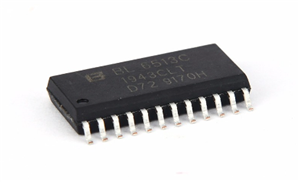
In the era of rapid technological advancements, smart grids have emerged as a transformative solution for efficient energy management. At the heart of these intelligent grid systems lies an unsung hero—the Energy Metering ICs (Integrated Circuits). While often overlooked, these tiny marvels play a crucial role in enabling seamless two-way communication and real-time data transmission within smart grid infrastructures. This article unravels the significance of Energy Metering ICs, shedding light on their pivotal role in revolutionizing the way we consume and manage energy.
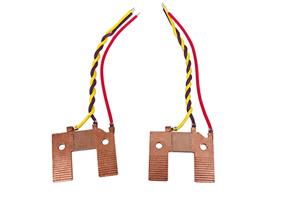
250 uΩ meter shunt
In the power measurement field, the meter shunt is one of the most commonly used applications for the 250 uΩ fuse resistor. In this case, the fuse resistor is placed in the circuit so that the fuse lead of the current divider can be directly connected to the circuit, making it easy for the current divider to read the current data in the circuit. In addition, in some cases where high-precision current measurement is required, the fuse resistor can also be used to protect fragile ammeters by isolating the high-voltage part from the low-voltage part, thereby reducing the noise and interference in the circuit.

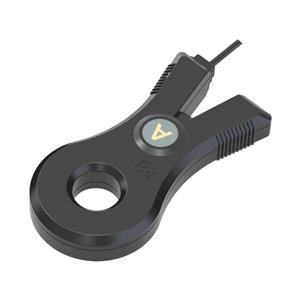
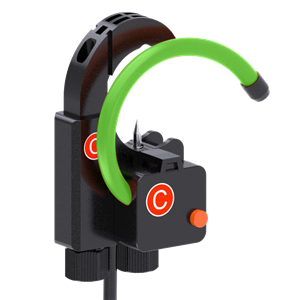
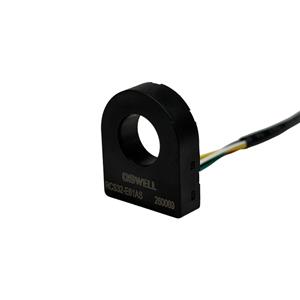
CT (Current Transformer) metering has emerged as an indispensable technology in the field of electrical power measurement and monitoring. With its ability to accurately measure current levels in high-voltage systems, CT metering plays a pivotal role in ensuring reliable and efficient energy distribution. In this article, we will delve into the technical aspects of CT metering, exploring its working principles, benefits, and the latest advancements driving its widespread adoption.
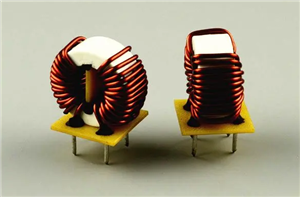
common mode choke
Common-mode choke: In the common filter, usually only one common-mode choke is installed, and the leakage inductance of the common mode choke is used to generate an appropriate amount of differential mode inductance,
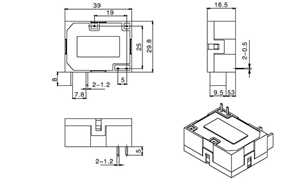
The accuracy is unchanged for a long time, and there is no need to run the school, no installation and transportation, etc.
lntelligent electric meter Precautions
1) Trademark 2) The name and model of the electric energy meter (such as a single -phase fee control intelligent power meter). 3) Measurement License (CMC) Electric energy meters are used for measurement and settlement. It must have a measurement of measurement products issued by the National Technical Supervision Bureau to be legally produced.
The relay coil is represented in the circuit by a long box symbol, and if the relay has two coils, two long boxes are drawn side by side. At the same time, mark the relay word symbol "J" in or beside the long box. There are two ways to represent the contacts of relays: one is to draw them directly on one side of the long box, which is more intuitive. The other is to draw each contact into its own control circuit according to the needs of the circuit connection. Usually, the contact of the same relay and the coil side are marked with the same text symbol, and the contact group is numbered to show the difference.