Home / Technical Guides / EV Charger Installation StrategyWhy More Parking Projects Choose Pedestal EV Charging Stations Over Wall-Mounted ChargersIn EV charging projects, installation type

Home / Technical Guides / Commercial EV Charging Station SelectionWhat Buyers Should Confirm Before Ordering A Commercial EV Charging StationOrdering a commercial EV charging station is not
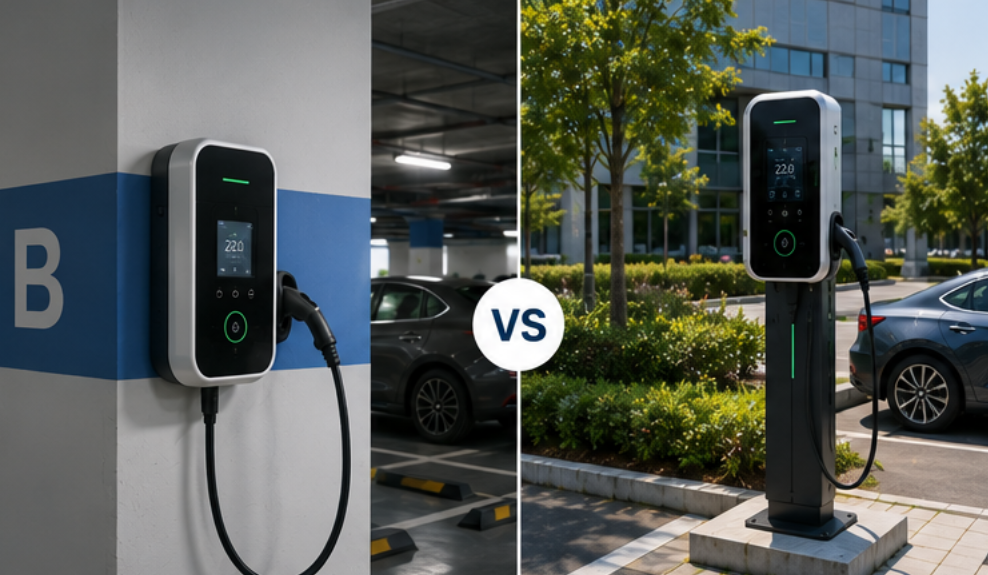
Home / Technical Guides / EV Charger Installation StrategyWall-Mounted Or Pedestal EV Charging Station: Which Installation Type Fits Your Site Better?In EV charging projects, installation ty

Home / Technical Guides / EV Charging Station SelectionHow To Choose Between 7kW, 22kW, 40kW And 240kW EV Charging Stations For Different ProjectsChoosing the right EV charging station is no
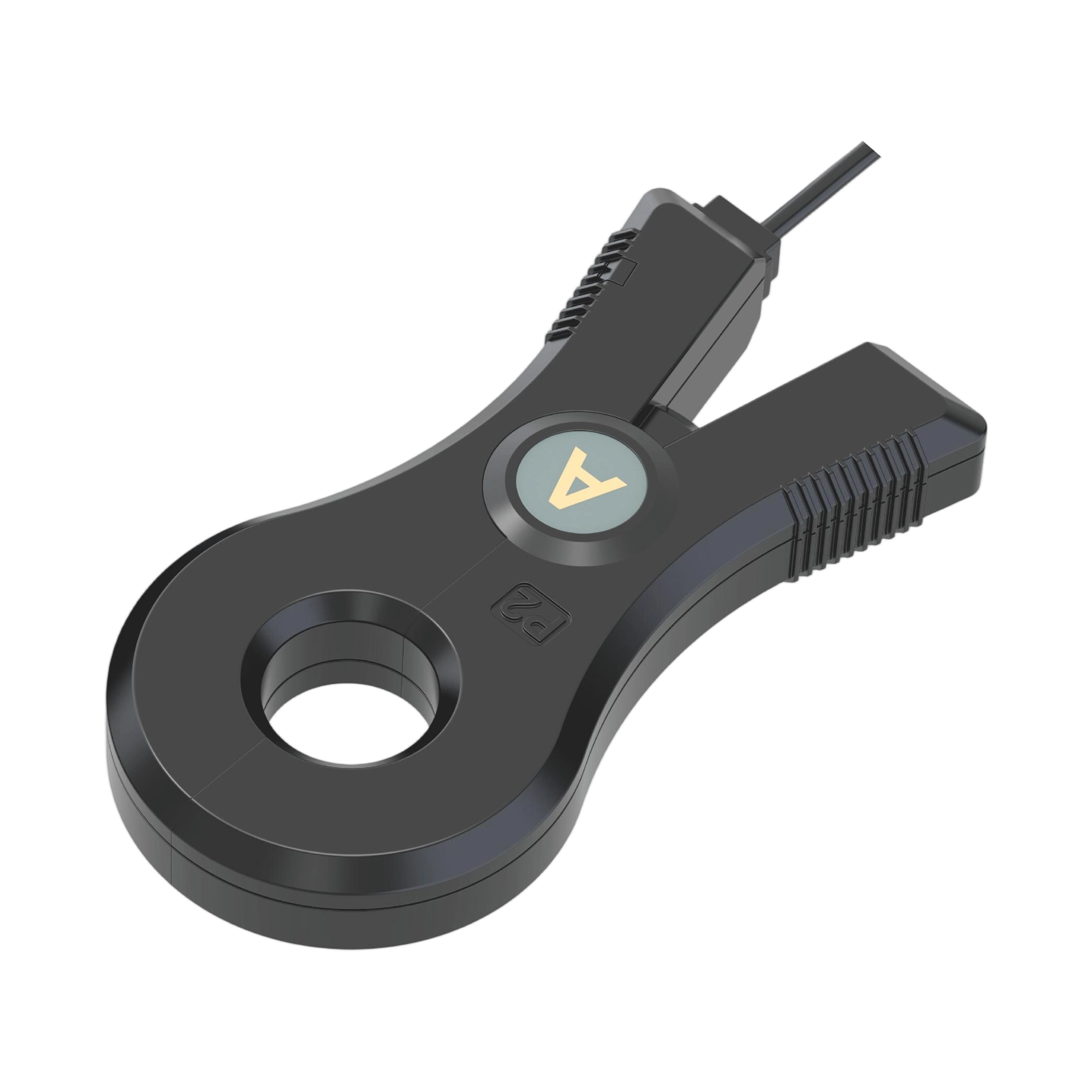
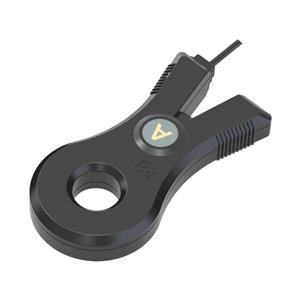
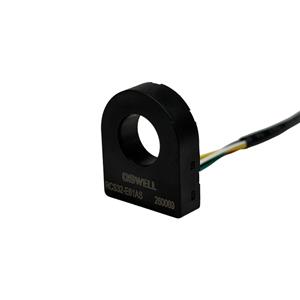
International buyers usually search for CT Metering when a project has moved from general sourcing to supplier qualification. This article gives a practical RFQ and evaluation framework base

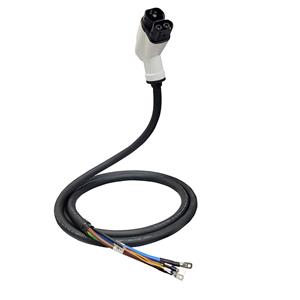
International buyers usually search for DC Charging Cable when a project has moved from general sourcing to supplier qualification. This article gives a practical RFQ and evaluation framewor

International buyers usually search for Latching Relay when a project has moved from general sourcing to supplier qualification. This article gives a practical RFQ and evaluation framework b
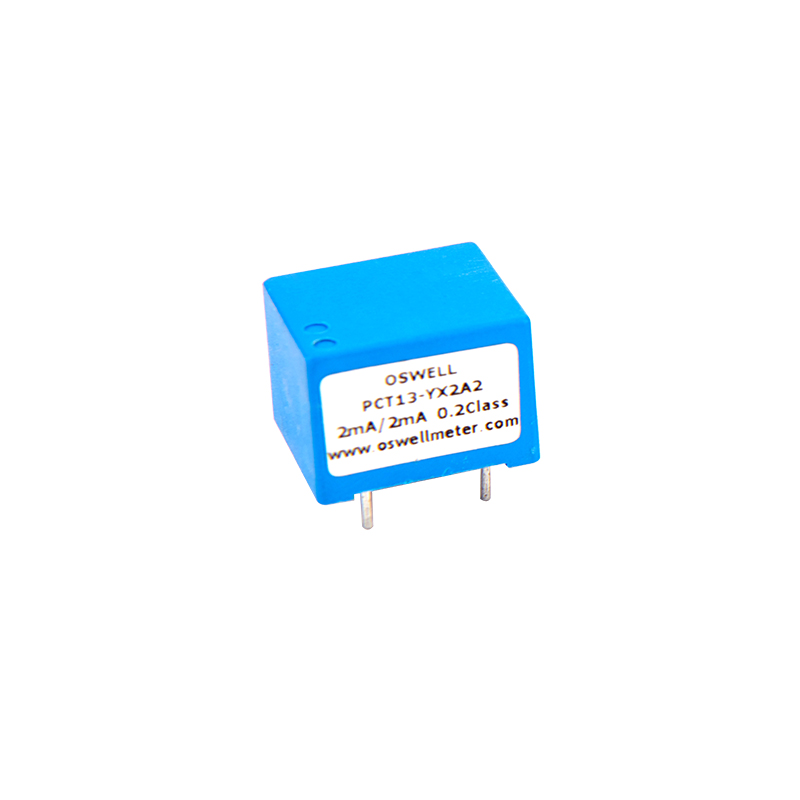
International buyers usually search for Miniature Voltage Transformer when a project has moved from general sourcing to supplier qualification. This article gives a practical RFQ and evaluat
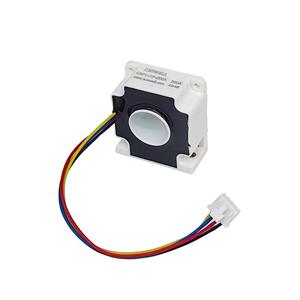
CT Metering Trends: Practical Buying Points for 2026 Projects: SEO/GEO buyer guide with quick answer, RFQ checklist, FAQ, two body images, internal product links and conversion CTA.

Evaluating smart meter components before mass production starts requires more than confirming that the sample works once. The right evaluation process should verify electrical stability, thermal behavior, safety support, dimensional compatibility, environmental durability, and batch consistency under realistic smart meter conditions. When these checks are carried out together and linked to the real application, project teams can reduce launch risk, improve manufacturing confidence, and support stronger long-term product reliability.