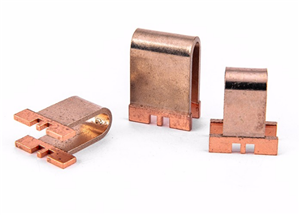
Precision shunt resistors, an essential component in electrical circuits, find their applicability in a wide range of scenarios where accurate current measurement and control are of utmost importance. Their precision and reliability make them invaluable in various industries.
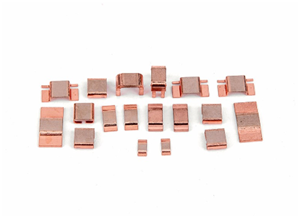
Providing guidance on selecting the most suitable precision shunt resistors based on application requirements, including factors such as resistance value, tolerance, power rating, and thermal considerations.
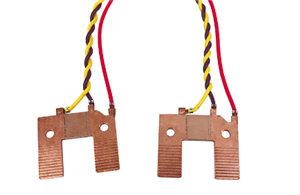
Discussing the role of precision shunt resistors in current measurement applications, including power supplies, battery management systems, motor control, and electronic load testing.

Precision shunt resistors play a crucial role in electrical circuits by accurately measuring current flow and enabling precise current sensing applications. Over the years, advancements in technology have led to the development of innovative precision shunt resistors, offering improved performance, enhanced accuracy, and expanded applications. In this technical document, we will explore the promising technological prospects of precision shunt resistors.
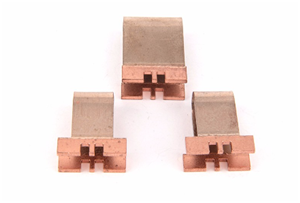
Advantages of Precision Shunt Resistors
Highlighting the advantages of using precision shunt resistors, such as their high accuracy, low temperature coefficient, excellent stability, and ability to handle high power dissipation.
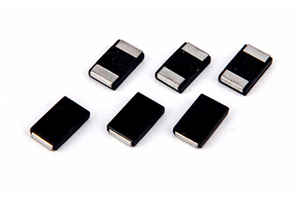
Comparing Precision Shunt Resistors with Other Current Measurement Techniques: Comparing precision shunt resistors with alternative current measurement techniques, such as Hall effect sensors and current transformers, discussing the advantages and limitations of each method.
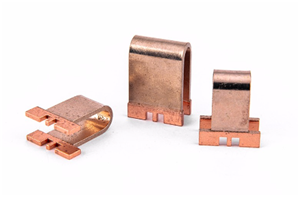
Future Trends in Precision Shunt Resistors: Exploring emerging trends and advancements in precision shunt resistors, such as the miniaturization of components, the integration of temperature compensation techniques, and the development of higher power handling capabilities.
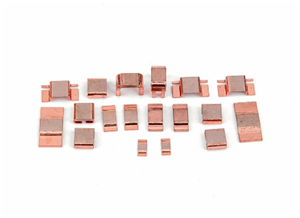
Types of Precision Shunt Resistors
In summary, precision shunt resistors play a vital role in accurate current measurement and control. Metal foil resistors, thin film resistors, and wirewound resistors are three primary types available in the market, each with its unique features and applications. Metal foil resistors are known for their stability and precision, thin film resistors for their low noise and linearity, and wirewound resistors for their high power handling capabilities. Selecting the most suitable type depends on the specific requirements of the application, such as accuracy, stability, power dissipation, and temperature coefficients.

Shunt resistors and current transformers each offer valuable advantages for smart meter design, but they serve different design priorities. Shunt resistors often stand out for economy, direct sensing, and compact integration. Current transformers often stand out for isolation, magnetic sensing structure, and suitability in certain robust metering architectures. The better choice depends on the actual meter platform, including cost target, thermal strategy, safety structure, integration method, and long-term reliability goals. By evaluating both sensing methods from a full system perspective, smart meter developers can make a more practical and more reliable design decision.
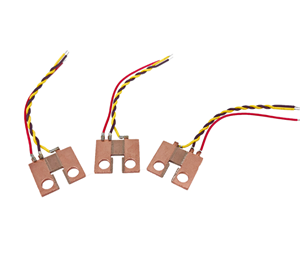
Before ordering a shunt resistor, buyers should check three things in depth: whether the resistance value matches the real current range and acceptable power loss, whether TCR and Kelvin sensing support accurate measurement under heat and parasitics, and whether power rating, drift, and traceability are strong enough for long-term use. A shunt resistor is not just a resistor. In many systems, it is the foundation of current measurement quality.