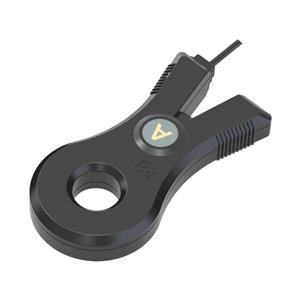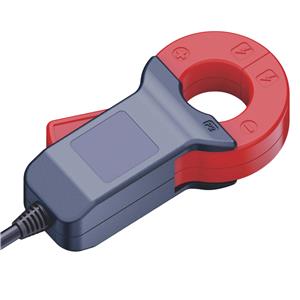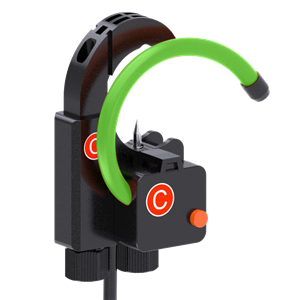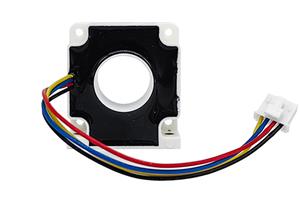
Split-core iron core current transformers are electrical devices used to measure high voltage currents. They can convert high currents into low current outputs and ensure that the current information is not lost during output. This type of transformer consists of an iron core and several coils, with the iron core able to induce current onto the coils which is then stepped down through the circuit.
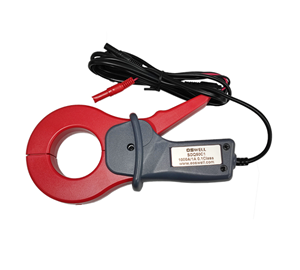
In conclusion, the split-core current transformer is more than just a sensor; it is the key enabler for a non-disruptive path to operational intelligence. It eliminates the single greatest barrier—planned downtime—to upgrading electrical monitoring in existing infrastructure. By choosing high-quality, precision-engineered split-core CTs from reliable manufacturers like Oswell, organizations can safely and efficiently retrofit advanced monitoring capabilities onto their live electrical systems. This empowers them to unlock critical data on energy usage, system health, and operational efficiency, driving informed decisions that reduce costs, enhance reliability, and support sustainability goals. For any retrofit or expansion project, specifying split-core CTs is the smart, strategic choice that delivers immediate value without the cost of stopping operations.
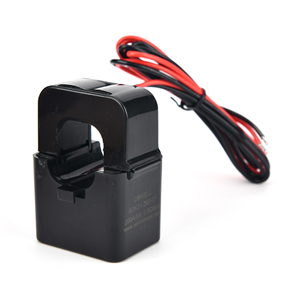
In conclusion, ensuring the accuracy and reliability of a Current Transformer is a holistic commitment that spans the entire production lifecycle. It starts with the precision engineering of core materials and windings, is solidified through protective processes like automated potting and advanced welding, and is unequivocally validated by exhaustive calibration and testing. Each step is interlinked, designed to eliminate variability and fortify the component against time and environmental stress. For manufacturers of energy meters and protection devices, partnering with a CT producer that masters this integrated approach—like Oswell with its automated production and test laboratories—is not just a procurement decision; it is a strategic investment in the foundational measurement integrity of their own end products.