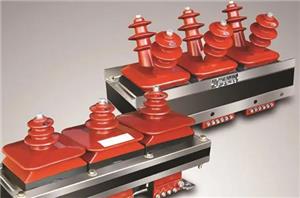
The ring indicates the number of primary and secondary windings of the voltage transformer. One primary winding is removed, and the rest are all secondary windings.
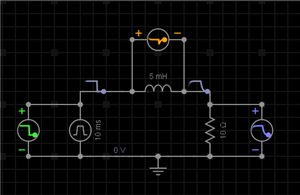
Electromagnetic Voltage Transformer (PT) and Capacitive Voltage Transformer (CVT) are widely used in power system. Although capacitive voltage transformers and electromagnetic current transformers commonly used in power grids have mature technology and long-term operation and maintenance experience, their measurement linearity is poor, the transient response speed is slow, and the transient error characteristics of electromagnetic current transformers are not ideal.
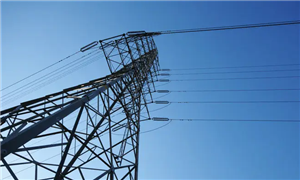
The rise and development of intelligent power grid technology has put forward new requirements for voltage and current sensors in power system. Miniaturized non-contact sensors will be the mainstream and need. This paper summarizes the application status of traditional electromagnetic voltage transformers and capacitive voltage transformers, and points out their limitations. On the basis of introducing the D-dot measurement principle in high voltage pulse electrical measurement, an electronic voltage transformer based on self-integrating D-dot sensor is proposed, and it is pointed out that it will be the mainstream trend of voltage signal measurement in power system.
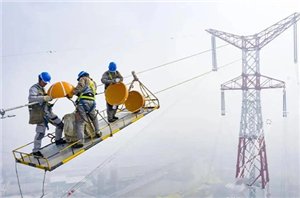
Usage of current transformers
A transformer is a device that converts voltage or current proportionally. The function of the transformer is to convert high voltage or high current into standard low voltage (100V) or standard low current (5A or 1A, both referring to the rated value), so as to achieve the standardization and miniaturization of measuring instruments, protection equipment and automatic control equipment.

Voltage transformer and CT polarity
In the power system, the role of the current transformer is to change the large current into the small current, isolate the secondary loop connected to the relay and measuring instrument from the high voltage system of the primary current, and convert the primary current to the secondary current value of 5A or 1A standards.
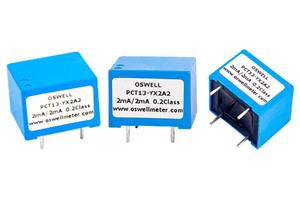
In order to ensure the safe and economical operation of the power system, the operation of the power equipment must be monitored and measured.
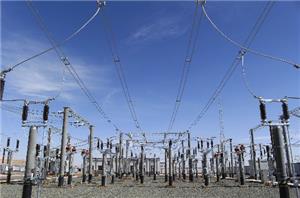
If the main wiring is single busbar, single busbar segment, double busbar, etc., install three-phase voltage transformer on the busbar; when there is power on its outlet, it needs to be reclosed to check the synchronization or no voltage, and it needs to be parallel in the same period. Single-phase or two-phase voltage transformers should be installed on the line side.
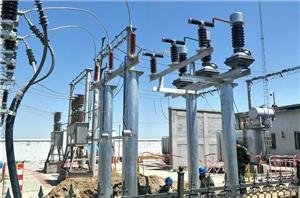
Because the voltage transformer is prone to loosening of bolts or rupture of porcelain bushings due to vibration during transportation, it needs to be checked before formal installation to ensure that there is no damage before installation and use. Next, let's take a look at what to check and the steps to install.
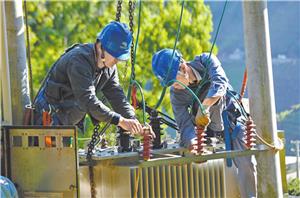
Preventive testing is an important link in the operation and maintenance of power equipment, and it is one of the effective programs to ensure the safe operation of power equipment.
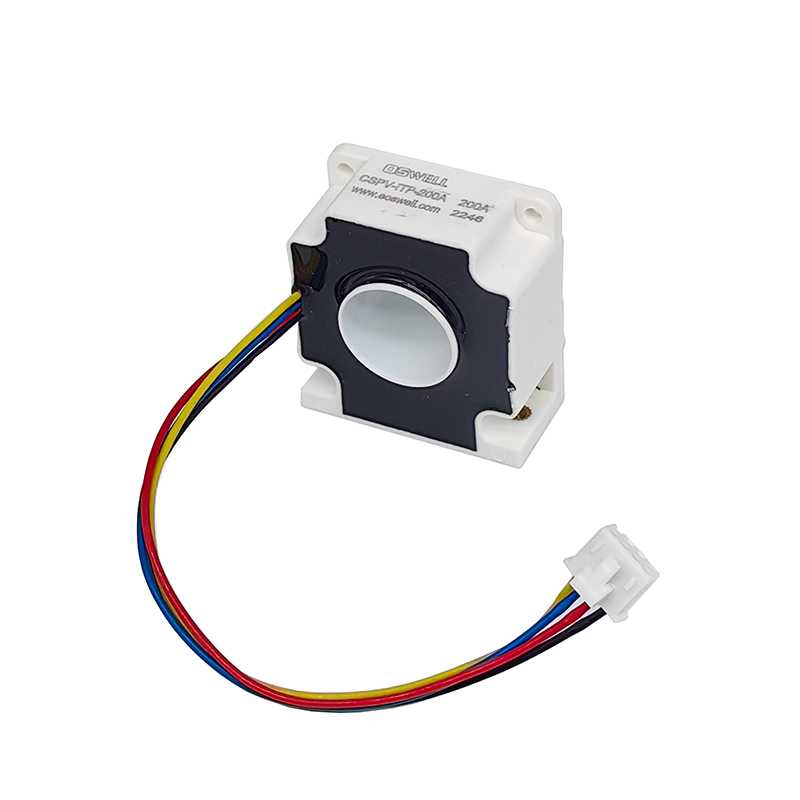
Buyers searching for Miniature Voltage Transformer in 2026 are usually not looking for a simple catalog page. They are trying to reduce project risk, compare suppliers faster and confirm whe