Home / Technical Guides / EV Charging Station SelectionHow To Choose Between 7kW, 22kW, 40kW And 240kW EV Charging Stations For Different ProjectsChoosing the right EV charging station is no
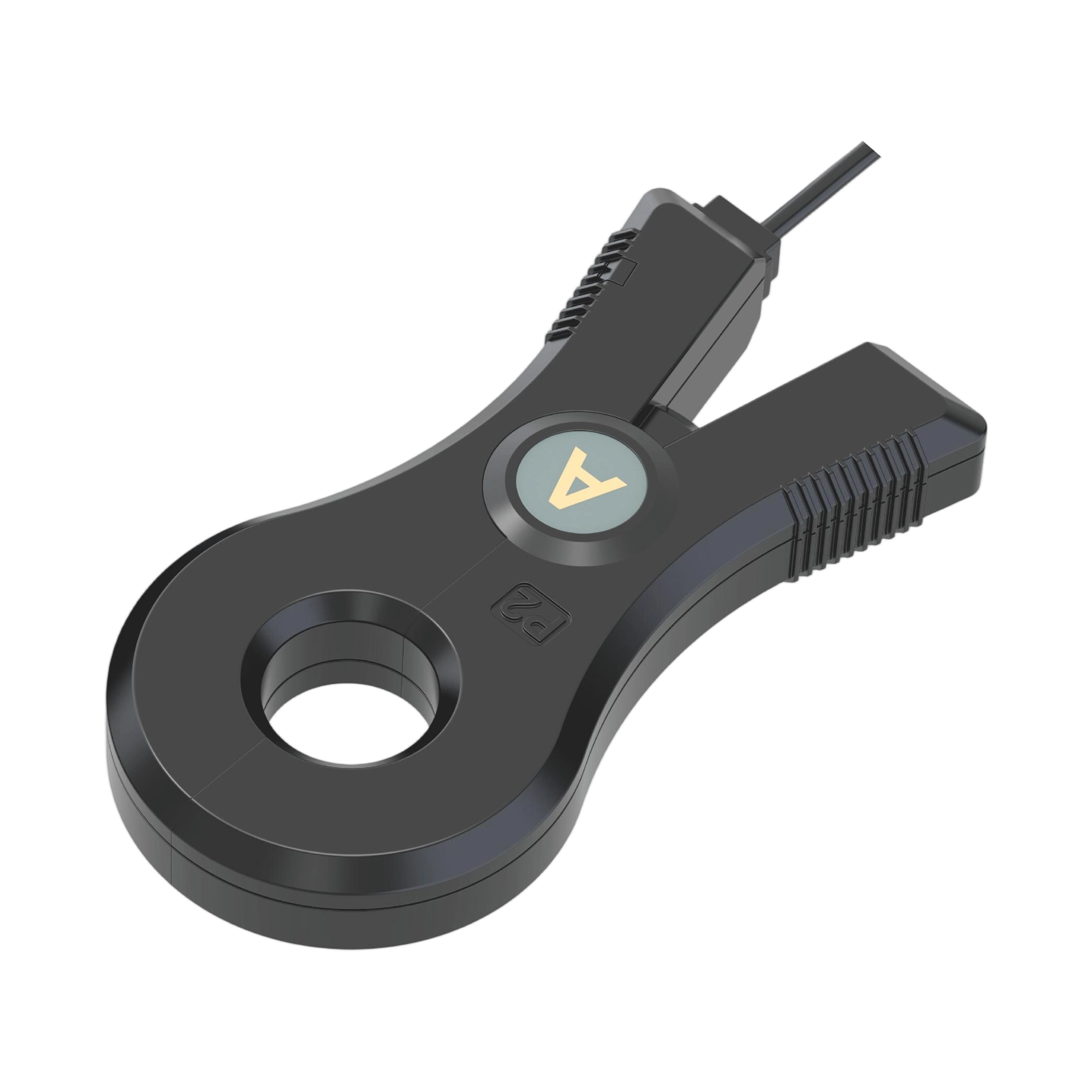
International buyers usually search for CT Metering when a project has moved from general sourcing to supplier qualification. This article gives a practical RFQ and evaluation framework base
International buyers usually search for DC Charging Cable when a project has moved from general sourcing to supplier qualification. This article gives a practical RFQ and evaluation framewor
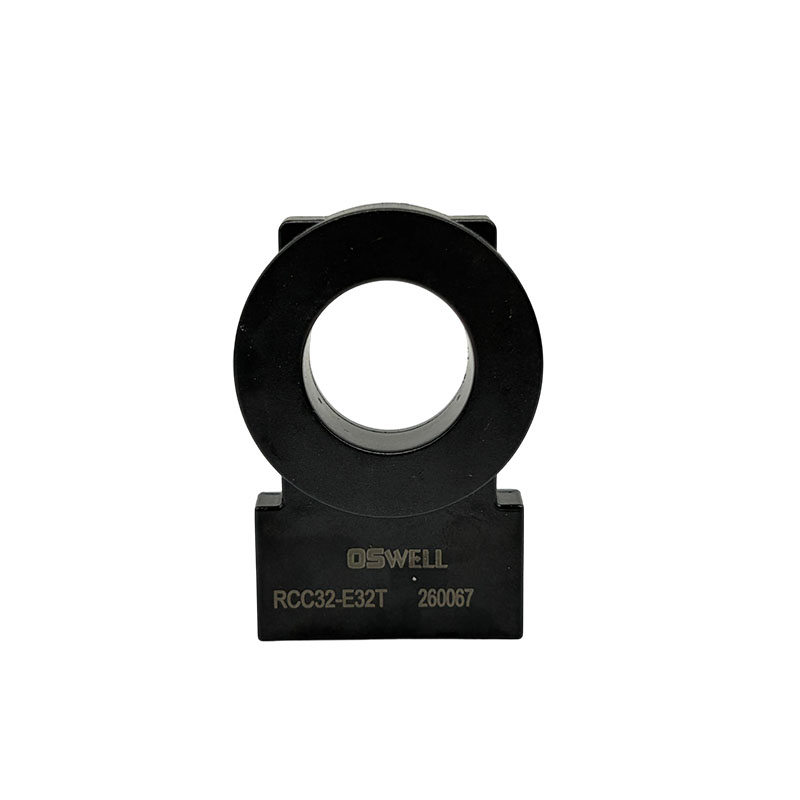
International buyers usually search for Latching Relay when a project has moved from general sourcing to supplier qualification. This article gives a practical RFQ and evaluation framework b
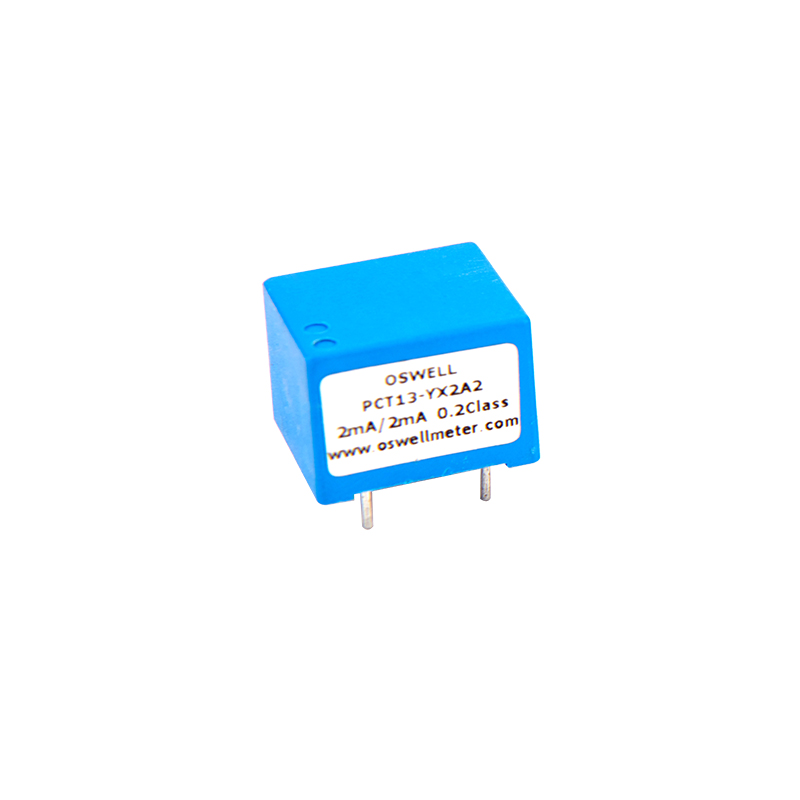
International buyers usually search for Miniature Voltage Transformer when a project has moved from general sourcing to supplier qualification. This article gives a practical RFQ and evaluat
Current Transformer buyer guide with RFQ checklist, installation risk points, supplier comparison, internal product links, FAQ and project inquiry CTA.
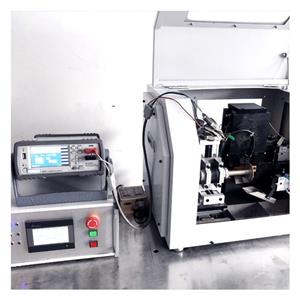
Miniature Voltage Transformer Application Checklist Specifications Documents and Lead Time
Miniature Voltage Transformer Application Checklist: Specifications, Documents and Lead Time: SEO/GEO buyer guide with quick answer, RFQ checklist, FAQ, two body images, internal product links and conversion CTA.

Choosing a miniature voltage transformer for stable smart meter performance requires more than checking size or basic output information. The right MVT should support reliable signal behavior, strong insulation confidence, efficient layout integration, temperature stability, and consistent mass-production quality. When these factors are evaluated together in the context of the real smart meter design, project teams can make better transformer decisions, reduce hidden performance risk, and support more dependable long-term meter operation.
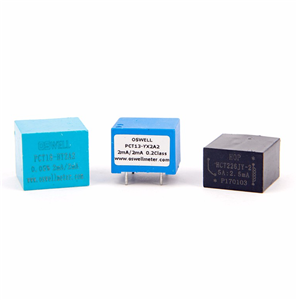
Selecting a miniature voltage transformer for reliable energy metering requires more than checking size or basic output description. The right MVT should support stable signal behavior, strong insulation confidence, efficient dimensional integration, and consistent performance in large-scale production. When electrical matching, stability, insulation, thermal behavior, and supplier consistency are evaluated together, project teams can make a stronger transformer decision. This helps improve meter reliability, reduce hidden development risk, and support more dependable long-term energy metering performance.

The right voltage ratio for a miniature voltage transformer is the ratio that scales the real primary voltage into the intended input range of the meter or control device, while still maintaining the needed accuracy under the actual burden and wiring scheme. In practice, that means buyers should check five things together: system voltage, target secondary voltage, burden level, device configuration method, and insulation context. When those five line up, ratio selection becomes straightforward. When they do not, even a technically “correct” ratio can become the wrong purchasing decision.