How To Choose A Miniature Voltage Transformer For Stable Smart Meter Performance
How To Choose A Miniature Voltage Transformer For Stable Smart Meter Performance
In smart meter applications, the miniature voltage transformer is a key component for obtaining stable voltage signals and supporting reliable long-term measurement. A well-selected MVT helps improve signal consistency, insulation confidence, dimensional integration, and batch stability across production. A poor selection, however, can create signal drift, integration difficulty, thermal concerns, and unstable field performance over time. This guide explains how to choose a miniature voltage transformer that better supports stable smart meter performance in real applications.
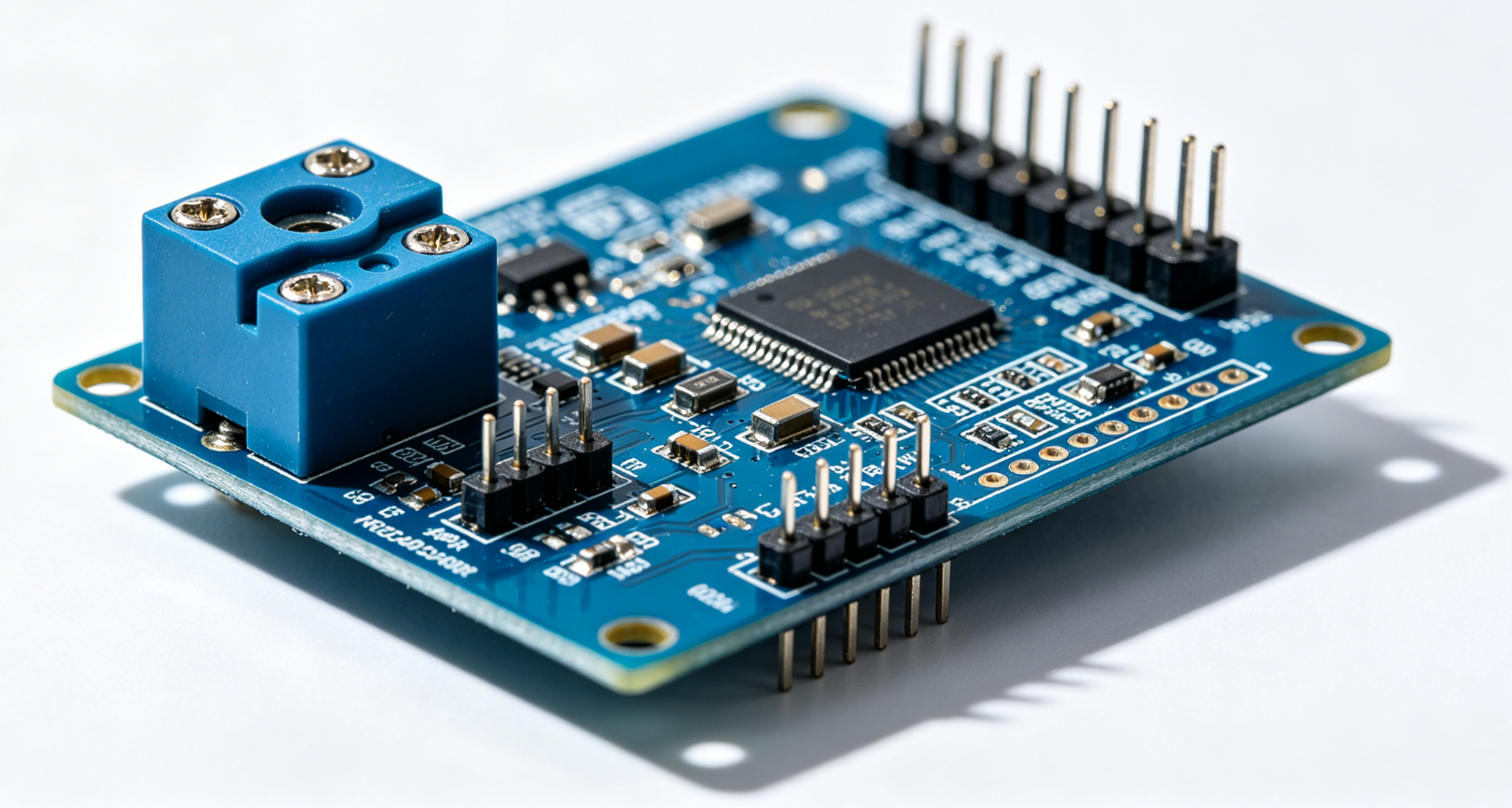
1. Why Miniature Voltage Transformer Selection Matters In Smart Meters
A miniature voltage transformer is much more than a small supporting part inside a smart meter. It plays a critical role in converting the voltage signal into a form that the metering system can use in a stable and predictable way. If the transformer is not well matched to the meter design, the product may face unstable voltage sampling, harder calibration, temperature-related drift, or reduced long-term consistency in field use.
In compact smart meter designs, the MVT must perform within tight dimensional limits while still maintaining stable electrical behavior. The transformer should support reliable isolation, predictable output behavior, and good consistency from one production batch to another. These factors directly influence whether the final smart meter can maintain stable performance over time instead of only passing early validation.
Another reason selection matters is that the miniature voltage transformer does not operate alone. It works together with the metering IC, current sensing path, PCB layout, calibration logic, and enclosure design. If the transformer is not well matched to the full system, the entire meter may require extra compensation or tighter process control just to achieve the target performance. A better transformer decision early in development can reduce that risk.
The best miniature voltage transformer is therefore not simply the smallest or lowest-cost option. It is the one that provides the right balance of signal stability, insulation reliability, dimensional compatibility, and production consistency for the real smart meter application.
2. What To Check If You Want Stable Smart Meter Performance
The first factor is input and output matching. The miniature voltage transformer should fit the target voltage conditions of the smart meter and provide output behavior that integrates smoothly with the metering circuit. Engineers should confirm that the transformer supports stable signal handling across the intended operating range rather than focusing only on one nominal point. Good system matching helps reduce calibration difficulty and improves overall signal consistency.
The second factor is accuracy and repeatability stability. A transformer that performs well in one isolated sample is not enough for a serious smart meter project. The MVT should maintain predictable behavior across repeated tests and across different pieces. Stable repeatability makes production easier to control and helps the final meter keep more consistent performance over time.
Insulation reliability is another major point. Since voltage sensing is directly related to safety structure and system confidence, the transformer should provide stable isolation behavior suited to the meter design. This becomes especially important in products expected to operate for years under practical service conditions. Stable insulation performance supports both safety and long-term durability.
Dimensional fit should also be reviewed carefully. Miniature voltage transformers are often chosen specifically because the available PCB space is limited. Even so, the smallest part is not always the best one. The transformer must fit the layout, assembly method, surrounding components, and enclosure constraints without creating production difficulty or unnecessary thermal concentration.
Finally, temperature behavior and batch consistency should be checked together. Smart meter performance depends on whether the transformer remains stable under changing thermal conditions and whether the supplier can maintain repeatable quality across mass production. A transformer that varies too much from sample to sample can reduce final product stability even if its basic specification appears acceptable.
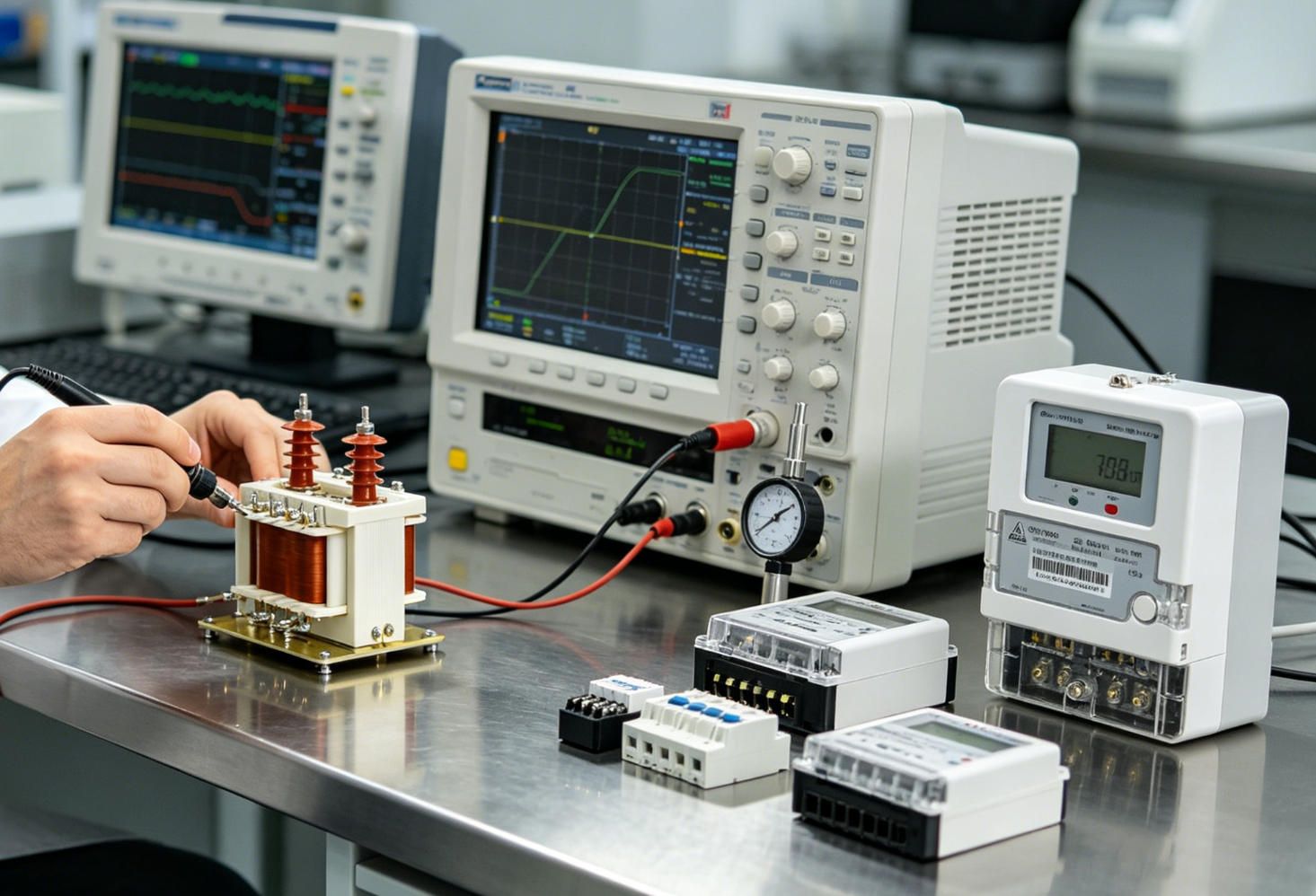
| Selection Factor | Why It Matters | What To Review |
|---|---|---|
| Input / Output Match | Determines signal compatibility with the meter circuit | Voltage conditions, output behavior, circuit fit |
| Repeatability Stability | Supports consistent metering and easier production control | Repeated test behavior, unit-to-unit consistency, drift tendency |
| Insulation Reliability | Supports safety and long-term electrical confidence | Isolation behavior, structural confidence, stability over time |
| Dimensional Fit | Improves integration and assembly efficiency | PCB space, mounting style, surrounding component clearance |
| Temperature Stability | Helps reduce drift risk during long-term use | Thermal consistency, operating robustness, performance retention |
| Batch Consistency | Supports stable mass production and lower calibration variation | Process control, winding stability, inspection repeatability |
3. How To Make A Better MVT Decision For Smart Meter Projects
A practical MVT decision should start with the real smart meter design target rather than with a general catalog comparison. Teams should first define the voltage sensing conditions, PCB space limits, insulation expectations, and long-term stability goal. Once these conditions are clear, it becomes much easier to identify whether a miniature voltage transformer will truly support the project instead of only looking suitable in a basic parameter list.
It is also important to evaluate the transformer in the full meter system. Stable smart meter performance depends on how the MVT interacts with the metering IC, current sensing path, calibration flow, and board layout. A transformer that seems technically acceptable in isolation may still create design compromise if it does not integrate smoothly into the final architecture. System-level testing can reveal that early.
Supplier capability should be part of the decision as well. In large smart meter programs, stable product behavior across batches matters just as much as the initial sample result. The supplier should be able to demonstrate repeatable manufacturing control, clear technical support, and consistent inspection quality. This reduces the risk of calibration variation, field drift, and mass-production instability.
Another useful principle is to avoid choosing only by smallest size or lowest price. In some projects, a slightly more balanced transformer with better insulation confidence, stronger repeatability, and more stable output behavior will create better overall meter performance. Stable smart meter operation comes from the total fit between transformer and application, not from one headline parameter.
The right miniature voltage transformer is therefore the one that fits the electrical target, safety expectations, layout limits, and long-term operating conditions of the smart meter. A more application-based selection process leads to stronger signal stability and fewer hidden performance problems during production and field use.

Conclusion
Choosing a miniature voltage transformer for stable smart meter performance requires more than checking size or basic output information. The right MVT should support reliable signal behavior, strong insulation confidence, efficient layout integration, temperature stability, and consistent mass-production quality. When these factors are evaluated together in the context of the real smart meter design, project teams can make better transformer decisions, reduce hidden performance risk, and support more dependable long-term meter operation.
Contact Us
Looking for the right miniature voltage transformer for your smart meter project? Contact our team to discuss transformer selection, application matching, and stable supply support.