Shunt Resistor Or Current Transformer: Which Current Sensing Method Is Better For Smart Meters
Shunt Resistor Or Current Transformer: Which Current Sensing Method Is Better For Smart Meters
In smart meter design, choosing the right current sensing method is one of the most important technical decisions. Two of the most common options are the shunt resistor and the current transformer. Both can support current measurement, but they differ significantly in cost structure, isolation concept, thermal behavior, dimensional fit, circuit integration, and long-term application suitability. This guide explains the key differences and helps engineers, buyers, and project teams decide which method is better for specific smart meter applications.
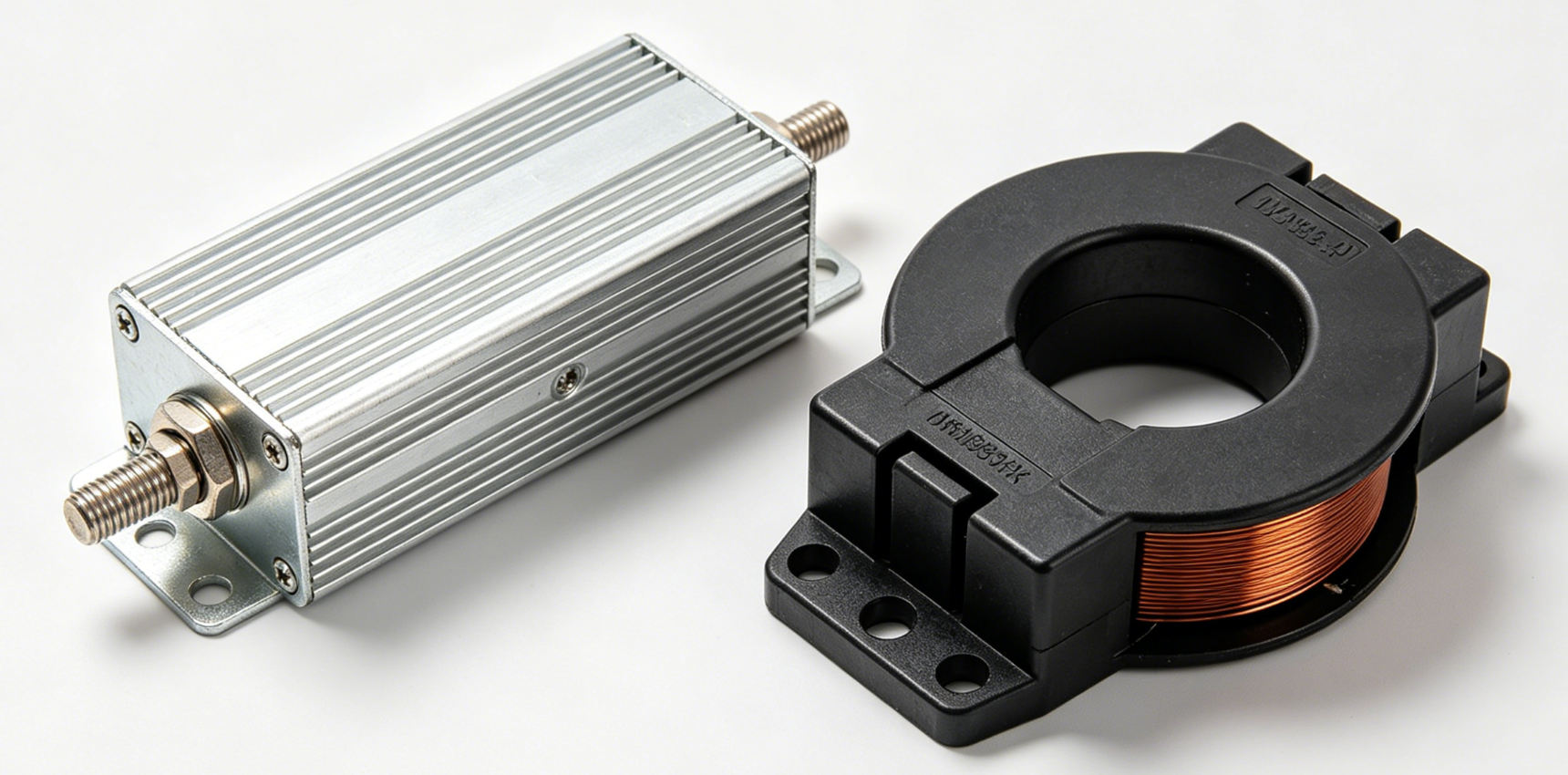
1. How These Two Current Sensing Methods Work In Smart Meters
A shunt resistor measures current by producing a small voltage drop across a precision resistance element. The smart meter reads that voltage and converts it into current information. This method is direct, structurally simple, and often attractive in compact or cost-sensitive meter designs. Because the shunt is based on a resistive principle rather than magnetic coupling, it can fit naturally into some meter architectures where direct signal processing is preferred.
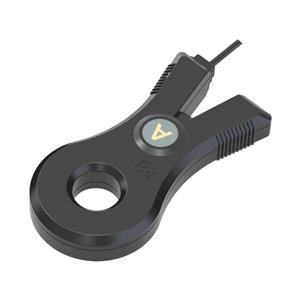
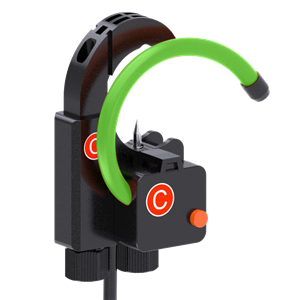
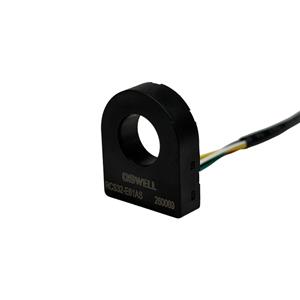
A current transformer works through electromagnetic induction. It converts the primary current into a secondary signal that the metering circuit can process. This gives the CT a different role in the meter design. Instead of relying on a direct conductive voltage drop, the CT provides a magnetic sensing path that can support isolation-oriented architectures and certain current measurement strategies more effectively.
Because the working principles are different, the two methods do not create the same design conditions inside the meter. A shunt resistor may look simpler at first, but it also introduces its own thermal and resistance-stability considerations. A CT may require different space and integration planning, but it can bring advantages in isolation structure and sensing pathway design. The better choice depends on what the smart meter is expected to prioritize in actual use.
For this reason, the decision should never be reduced to a simple “which one is more common” question. The more useful question is which sensing method better supports the meter’s cost target, electrical design, safety structure, thermal control, and long-term reliability goal.
2. Key Differences In Cost, Isolation, Thermal Behavior, And Integration
Cost is often the first comparison point. In many smart meter projects, a shunt resistor is considered the more economical option, especially in single-phase or price-sensitive designs. Its structure is relatively straightforward, which can make it attractive for projects where cost control is a high priority. However, a lower component cost does not automatically mean a better total design result. If the sensing method increases heat management difficulty or creates extra circuit compensation work, the overall project cost advantage may be smaller than expected.
Isolation is another major difference. A current transformer naturally supports an isolated sensing structure because the signal transfer is based on magnetic induction. This can be valuable in meter designs where electrical separation is an important part of the architecture. A shunt resistor is a direct conductive element, so its use must be considered within the full circuit safety and insulation concept. In some smart meters this is entirely manageable, while in others the CT structure may be more suitable.
Thermal behavior is equally important. Because the shunt resistor is placed directly in the current path, it can introduce heat that needs to be controlled carefully inside the meter enclosure. This affects not only the shunt itself but also surrounding components and long-term measurement stability. A current transformer typically follows a different thermal profile and may offer advantages in designs where direct conductive heating is a concern or where thermal stability is harder to control.
Integration also differs significantly. A shunt resistor can be a strong fit when the design team wants a direct sensing path and a compact board-level solution. A current transformer can be a strong fit when the project benefits from a magnetic sensing route, more natural isolation behavior, or CT-based system familiarity. The better option depends on the meter platform, not on one isolated parameter.
For this reason, project teams should compare these methods from a full system perspective. The real decision should include cost target, thermal strategy, safety structure, PCB layout, calibration method, and long-term operating conditions together.
| Comparison Item | Shunt Resistor | Current Transformer |
|---|---|---|
| Working Principle | Measures current through a voltage drop across resistance | Measures current through electromagnetic induction |
| Cost Orientation | Often stronger in cost-sensitive designs | May suit designs where structural advantages justify the choice |
| Isolation Characteristic | Depends on overall circuit safety design | Naturally supports isolated sensing structure |
| Thermal Consideration | Requires careful heat management in compact meters | Different thermal profile, often less direct conductive heating impact |
| Design Integration | Direct sensing path, good fit for some compact layouts | Magnetic sensing path, suited to some isolation-oriented architectures |
| Typical Selection Focus | Economy, resistance stability, thermal control, layout fit | Isolation, ratio behavior, structural fit, long-term consistency |
3. Which Method Is Better For Your Smart Meter Project
A shunt resistor may be the better option when the smart meter project is strongly cost-driven, the design team is comfortable managing thermal effects, and the meter architecture is well suited to direct current sensing. In these conditions, a shunt can provide a practical balance of economy, compactness, and measurement capability, especially in applications where simple integration and cost efficiency are major priorities.
A current transformer may be the better option when the project places more emphasis on isolation behavior, magnetic sensing structure, and certain forms of system robustness. It can also be a stronger fit when the engineering team prefers a CT-based metering path that aligns better with the intended circuit architecture, calibration approach, or long-term product strategy.
Another important factor is production consistency. In large smart meter programs, both shunts and CTs must perform reliably across batches. A theoretically suitable sensing method can still become a practical problem if the supplier cannot maintain stable resistance characteristics, dimensional control, winding consistency, or final inspection reliability. This is why supplier capability should be part of the decision.
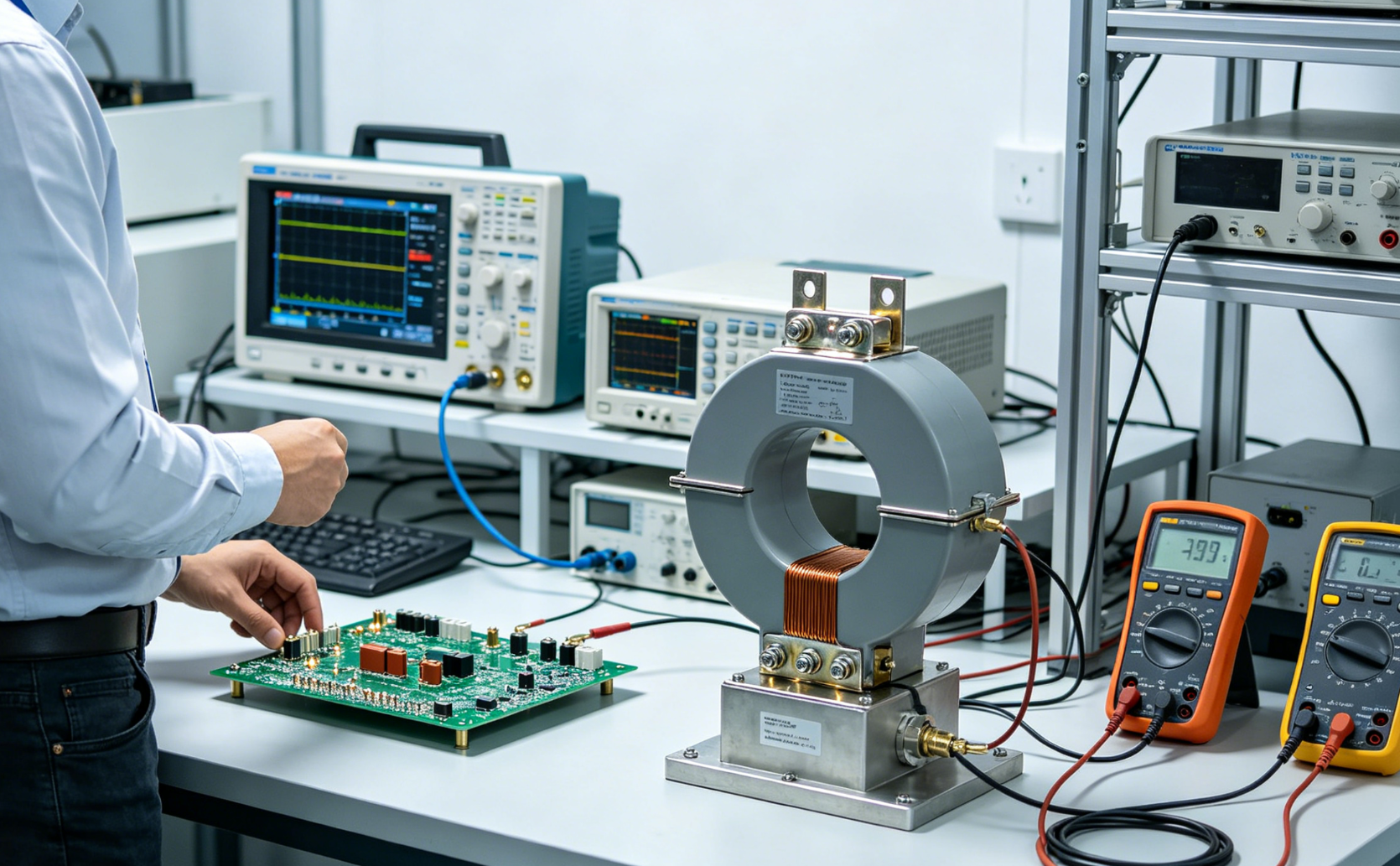
System-level validation is also essential. Teams should compare how each sensing method behaves inside the actual meter design rather than relying only on isolated component descriptions. That means checking not just signal output, but also thermal behavior, layout interaction, calibration workload, safety structure, and long-term stability. A better decision usually comes from real design evaluation rather than from a simple catalog comparison.
In the end, the better sensing method is the one that best matches the real smart meter platform. For some projects, that will be a shunt resistor. For others, it will be a current transformer. The strongest choice comes from matching the sensing method to the meter’s cost goal, electrical design, safety structure, thermal environment, and reliability target.

Conclusion
Shunt resistors and current transformers each offer clear advantages for smart meter design, but they support different priorities. Shunt resistors often stand out for economy, direct sensing, and compact integration. Current transformers often stand out for isolation-related advantages, magnetic sensing structure, and suitability in certain robust metering architectures. The better option depends on the actual meter platform, including cost target, thermal strategy, safety concept, integration method, and long-term reliability goals. By comparing both methods from a full system perspective, project teams can make a more practical and more reliable current sensing decision.
Contact Us
Looking for the right current sensing solution for your smart meter project? Contact our team to discuss shunt resistor and current transformer options for your design.