What To Check In A Meter Case Before Finalizing Your Smart Meter Design
What To Check In A Meter Case Before Finalizing Your Smart Meter Design
Before finalizing a smart meter design, the meter case should be evaluated as a core functional component rather than only as an outer shell. The case directly affects insulation safety, sealing reliability, dimensional fit, assembly efficiency, weather resistance, and long-term product durability. A poorly selected housing can create hidden design risks, production difficulty, and field performance problems even when the internal electronics are well developed. This guide explains what engineers, buyers, and project teams should check in a meter case before locking the final smart meter design.
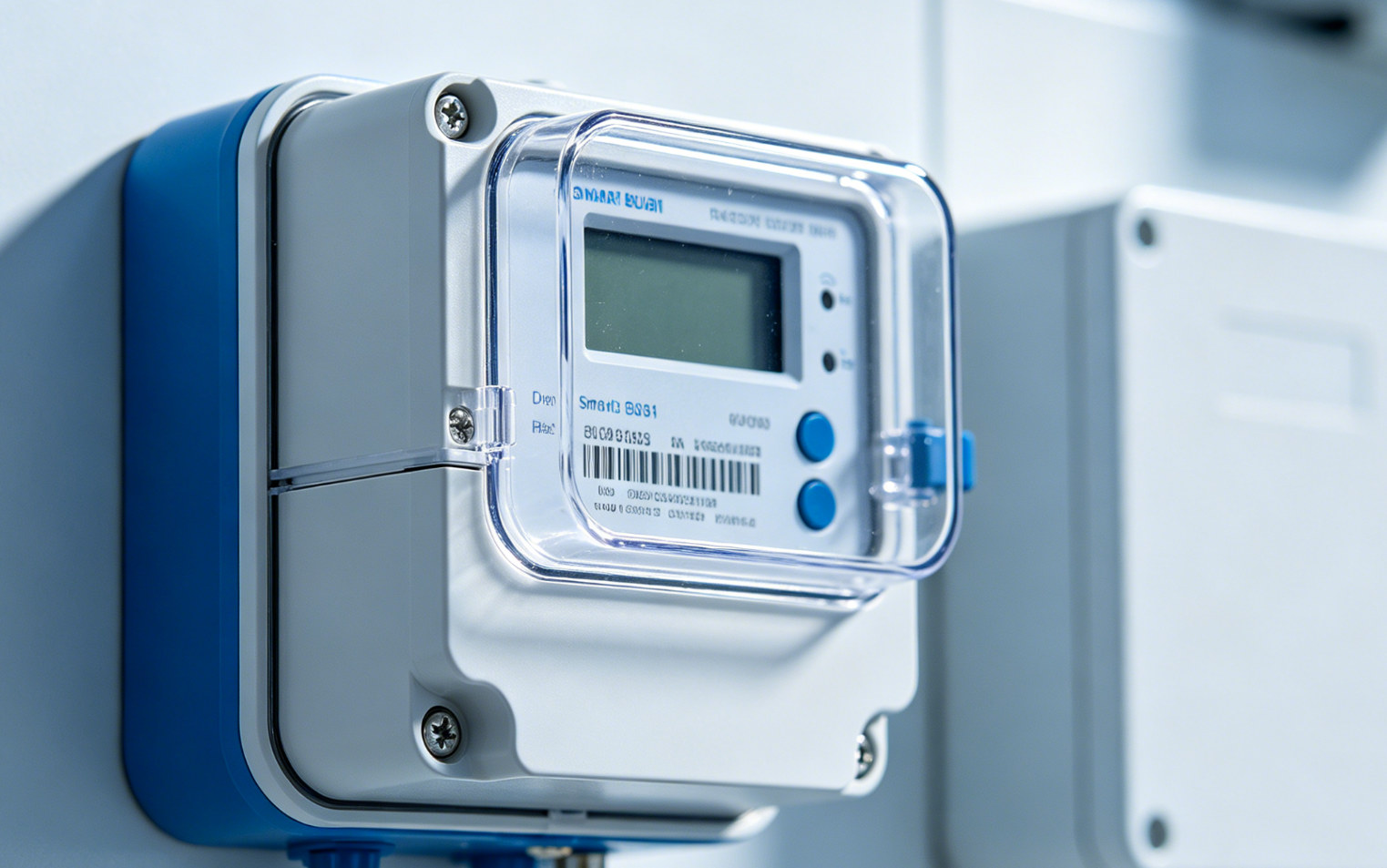
1. Why Meter Case Review Matters Before Final Design Freeze
In many smart meter projects, teams focus first on current transformers, relays, metering ICs, display structures, and PCB layout. These are all important, but the meter case has a major influence on how those parts finally work together. The housing defines the available internal space, affects the arrangement of key components, supports installation structure, and protects the product during long-term field use. If the case is not reviewed carefully before final design freeze, the project may face hidden problems that only appear later in tooling, assembly, testing, or deployment.
A meter case is also closely linked to safety and product credibility. It helps separate functional areas, protect terminals and electronics, and support insulation confidence in real use conditions. In outdoor or semi-outdoor smart meter applications, the case must also help the product withstand humidity, dust, temperature variation, and general environmental exposure over time. A housing that looks acceptable in a short design review may still create long-term risk if material stability, sealing quality, or structural robustness are not strong enough.
Another reason the case matters early is that enclosure issues are often expensive to correct once tooling and production planning have progressed. If the case does not fit the PCB, terminal arrangement, relay height, display window, or mounting concept correctly, redesign can slow the project and increase cost. Reviewing the meter case thoroughly before finalization helps reduce that risk and improves the chance of smoother production launch.
The right approach is to treat the meter case as a technical part of the smart meter system rather than as a simple packaging decision. That mindset leads to stronger design control and better long-term reliability.
2. What To Check In The Meter Case Before Finalizing The Design
The first thing to check is material performance. The housing material should provide adequate mechanical strength, dimensional stability, and aging resistance for the intended installation environment. In smart meter applications, the case may experience daily temperature change, UV exposure, humidity, and long-term structural stress. If the material is not suitable, the enclosure may warp, crack, discolor, or lose its dimensional reliability over time.
The second factor is safety structure. The case should support the meter’s insulation concept and help protect terminals, internal electronics, and high-risk zones from accidental contact or structural weakness. Engineers should review how the enclosure separates different functional areas and whether the cover, base, terminal section, and sealing features all contribute to safe and reliable operation.
The third factor is dimensional fit and assembly compatibility. The case should match the PCB outline, CT position, relay height, display window, terminal block arrangement, and cover structure without creating unnecessary stress or assembly difficulty. Good dimensional fit is not only about whether the parts can be installed once. It is about whether they can be assembled repeatedly and consistently in mass production without excessive adjustment or quality variation.
Sealing performance should also be reviewed carefully. In many smart meter applications, the enclosure must help protect internal components from dust, humidity, and practical environmental exposure. The fit between the cover and base, the quality of sealing surfaces, and the stability of structural tolerance all influence whether the case can protect the meter reliably over time.
Another important point is installation practicality. The housing should support the intended mounting method and terminal access arrangement. A meter case that is technically acceptable on the drawing may still create field inconvenience if access to terminal areas, cover sealing, or fixing positions is not practical for installation and service handling.
Finally, teams should review repeatability in tooling and production. A good prototype case is not enough. The design should also be able to maintain stable molding quality, repeatable dimensions, and consistent surface and structure behavior when scaled into mass production.

| Check Item | Why It Matters | What To Review |
|---|---|---|
| Material Stability | Supports long-term durability and dimensional retention | Strength, aging behavior, temperature and environment resistance |
| Safety Structure | Protects internal parts and supports insulation concept | Terminal protection, cover structure, internal separation concept |
| Dimensional Fit | Improves assembly reliability and internal integration | PCB space, CT/relay/display layout, tolerance match |
| Sealing Reliability | Helps protect the meter in practical environments | Cover fit, sealing surface quality, enclosure precision |
| Installation Practicality | Reduces field handling difficulty and service risk | Mounting style, terminal access, cover handling |
| Production Repeatability | Supports stable tooling and mass-production quality | Molding consistency, dimensional repeatability, batch stability |
3. How To Make A Better Final Housing Decision
The most useful way to review a meter case is to check it against the real smart meter application rather than against a general product drawing alone. Teams should define the expected installation environment, target lifetime, internal component stack-up, and assembly workflow first. Once these conditions are clear, it becomes easier to see whether the housing truly supports the project or only appears acceptable in a basic review.
It is also important to review the case together with the complete internal system. The housing should be evaluated with the PCB, CT, relay, terminal arrangement, display structure, and sealing concept in mind. This system-level review often reveals hidden design issues earlier, before they become expensive tooling or assembly problems.
Supplier capability matters as well. A meter case that looks good in one prototype sample may still create risk if production control is weak. Engineers and buyers should therefore review tooling quality, molding repeatability, dimensional stability, and batch consistency before finalizing the design. In smart meter programs, enclosure consistency is part of total product reliability.
Another practical principle is to avoid choosing the housing only by appearance or cost. A visually clean or lower-cost case may still create long-term durability or assembly problems if material behavior, sealing design, or tolerance control are not strong enough. The better case is the one that supports the full meter platform with fewer hidden risks.
In the end, the right meter case is the one that helps the smart meter remain safe, durable, easy to assemble, and reliable in real use. Finalizing the housing only after these points are checked can reduce redesign risk and improve the stability of the whole product program.

Conclusion
Before finalizing a smart meter design, the meter case should be checked from a full system perspective rather than as a simple enclosure choice. The right housing should support material stability, safe structure, reliable sealing, dimensional compatibility, practical installation, and repeatable production quality. When these factors are reviewed together, project teams can lock the design with stronger confidence, reduce hidden tooling and assembly risk, and support more reliable long-term smart meter performance.
Contact Us
Looking for the right meter case for your smart meter project? Contact our team to discuss housing selection, application matching, and stable supply support.