Industry News
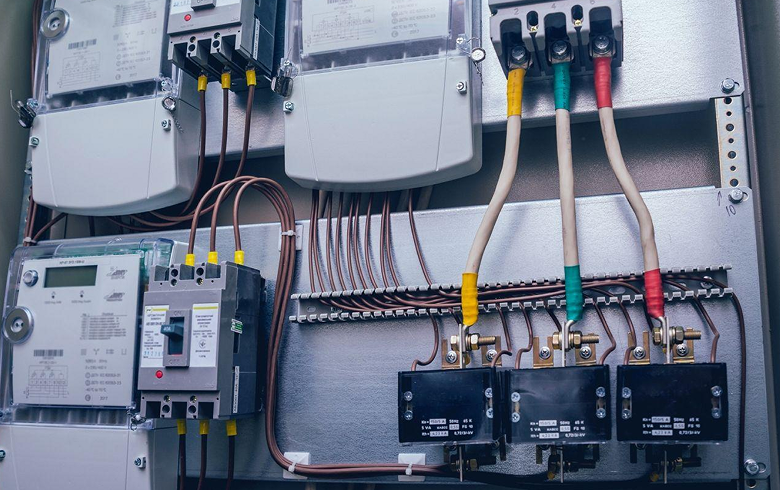
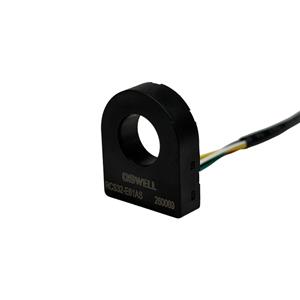
Magnetic core materials play a fundamental role in determining current transformer performance. Factors such as permeability, saturation characteristics, magnetic loss, and temperature stability directly influence measurement accuracy, reliability, and long-term operation. For smart meter manufacturers, industrial equipment OEMs, and procurement teams, evaluating magnetic core quality and supplier manufacturing capability is essential when selecting CT solutions. Working with an experienced current transformer manufacturer can help ensure consistent performance, reduce production risks, and support the development of reliable electrical measurement systems.

DC current sensors are essential components in modern battery storage and renewable energy monitoring systems. By providing accurate and stable measurement of DC power flow, they help improve battery safety, optimize energy efficiency, and support intelligent energy management. For battery manufacturers, renewable energy integrators, and procurement teams, selecting DC current sensors with strong accuracy, reliability, temperature stability, and supplier support is critical for developing high-performance energy systems. As renewable energy adoption continues to grow, advanced DC current measurement technology will remain a key foundation for safer and smarter energy infrastructure.

Low temperature drift is a critical performance factor for precision current measurement components used in modern electrical systems. Temperature-related measurement changes can affect smart meters, EV battery management systems, energy storage solutions, and industrial monitoring equipment. For manufacturers and procurement teams, selecting current sensors, current transformers, and shunt resistors with excellent temperature stability can improve measurement accuracy, reduce maintenance requirements, and enhance long-term product reliability. Partnering with an experienced supplier that provides stable manufacturing processes, accurate testing, and application support is essential for developing high-performance electrical products.
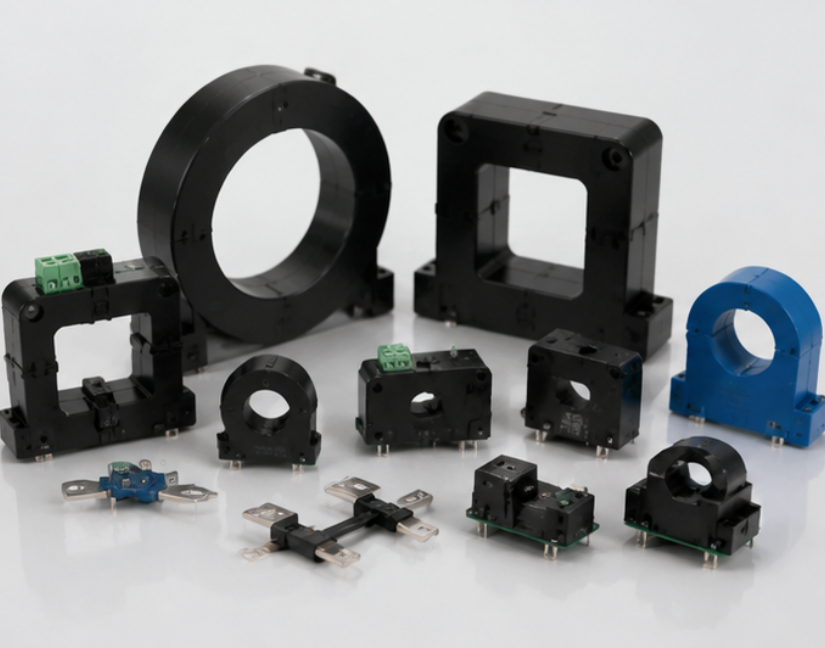
Current transformer design plays a critical role in improving the reliability and performance of modern smart meters. From measurement accuracy and temperature stability to production consistency and customization capability, every aspect of CT design influences the final product quality. For smart meter manufacturers and procurement teams, selecting an experienced current transformer supplier with strong engineering capabilities and reliable manufacturing processes can help reduce risks, improve product performance, and support long-term success in the smart energy market.

Evaluating current measurement components for high-volume OEM production requires a broader approach than simply validating engineering samples or comparing unit prices. Buyers should assess electrical performance, batch consistency, material control, manufacturing processes, testing capability, dimensional stability, traceability, customization support, and long-term supply reliability. For smart meter, EV, energy storage, industrial monitoring, and power electronics manufacturers, working with an experienced current measurement component supplier can reduce qualification risk and create a more stable foundation for large-scale production.
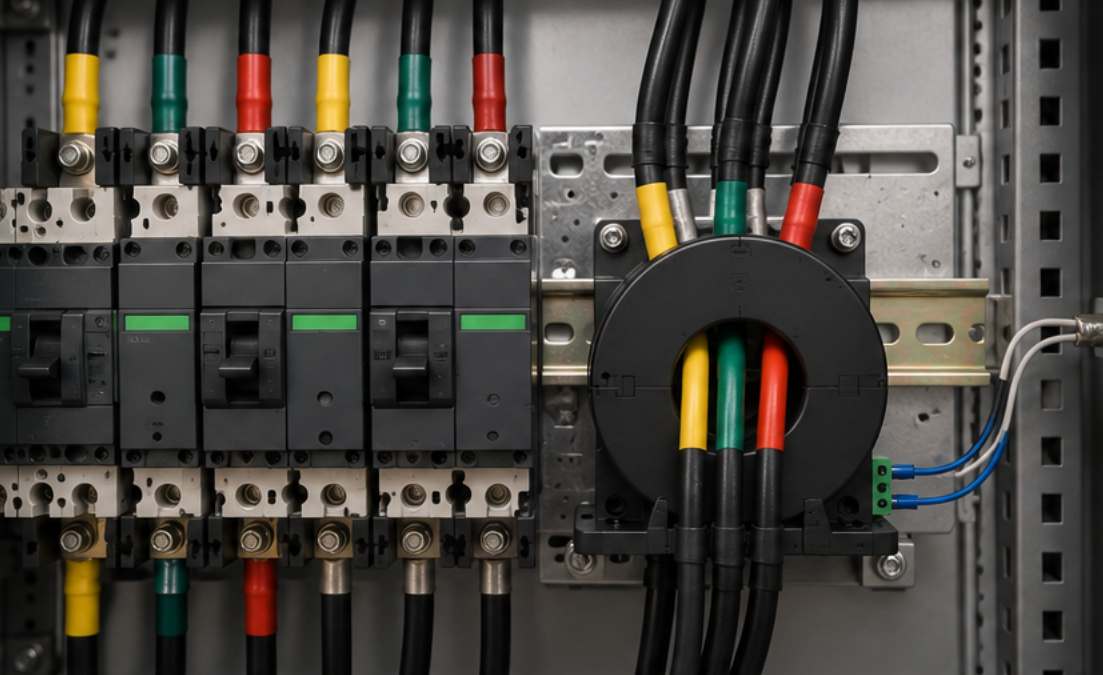
Ground fault current transformers provide a critical measurement function in modern electrical protection systems by detecting current imbalance that may indicate leakage or a developing fault to ground. For switchgear manufacturers, industrial equipment OEMs, panel builders, and procurement teams, selecting a reliable ground fault CT requires careful consideration of sensitivity, aperture size, output consistency, insulation performance, mechanical integration, and supplier manufacturing capability. A properly selected ground fault current transformer can improve fault detection, reduce equipment risk, and provide a stronger foundation for intelligent and reliable power distribution protection.
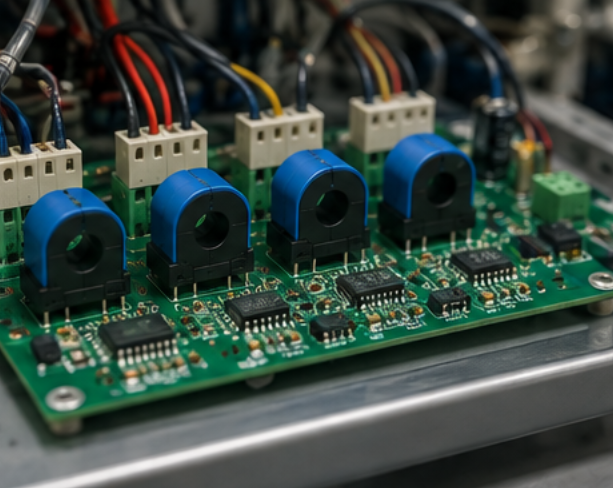
PCB-Mount vs Busbar-Mount Current Transformers: Which Design Is Better for Your Application?
PCB-mount and busbar-mount current transformers are designed for different integration requirements. PCB-mounted CTs offer compact installation and efficient assembly for electronic monitoring and smart metering products, while busbar-mounted CTs provide stronger mechanical integration for higher-current electrical systems. For OEM manufacturers and procurement teams, the best choice depends on current level, conductor design, installation space, assembly process, accuracy requirements, and production volume. Working with an experienced current transformer supplier early in the design stage can reduce integration risks and help create a more reliable and manufacturable final product.
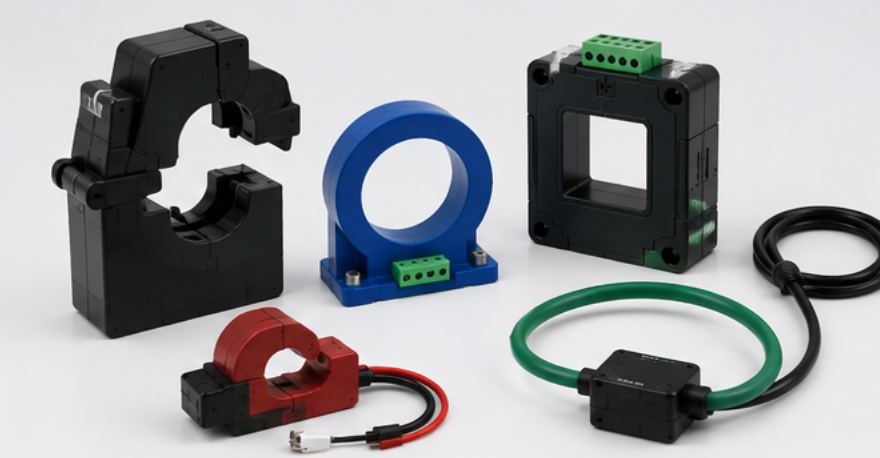
How Current Measurement Components Enable Predictive Maintenance in Industrial Electrical Systems
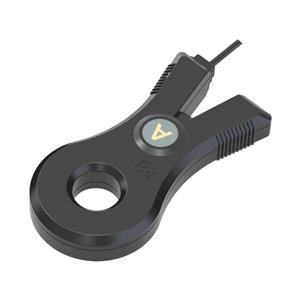
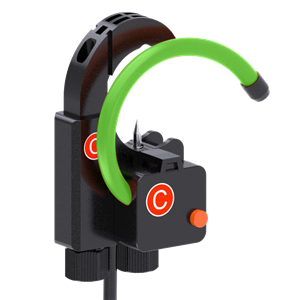
Current measurement components provide valuable operating data that can help industrial predictive maintenance systems identify abnormal machine behavior before serious failures occur. By monitoring changes in motor loads, production equipment, and electrical distribution systems, manufacturers can reduce unplanned downtime and improve maintenance efficiency. For OEM buyers and industrial system integrators, selecting reliable current transformers, current sensors, split-core CTs, or Rogowski coils requires careful evaluation of measurement stability, installation flexibility, production consistency, and supplier engineering support. High-quality current data provides a stronger foundation for smarter and more effective predictive maintenance.
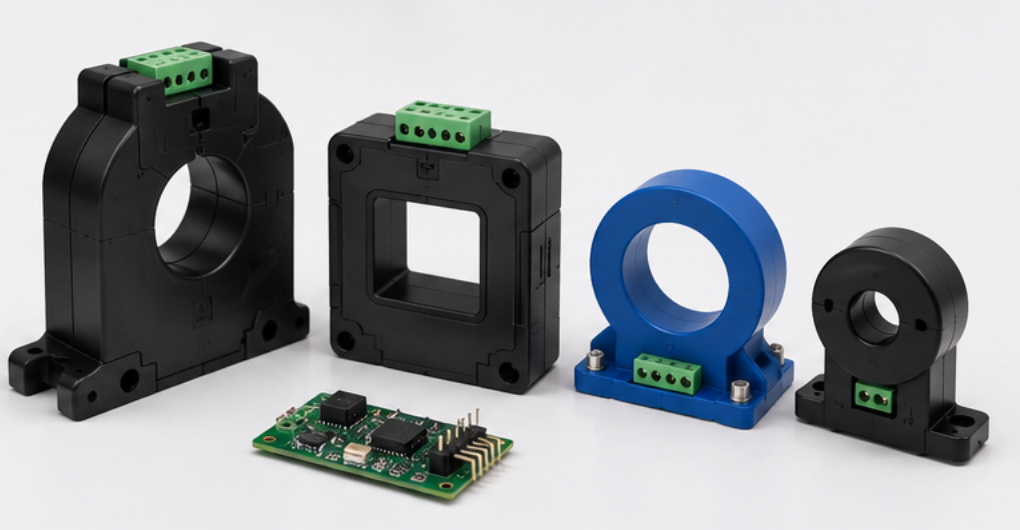
What Power Monitoring Equipment Manufacturers Should Know About Current Sensor Linearity and Drift
Linearity and drift are critical performance factors for current sensors used in power monitoring equipment. Linearity determines how consistently the sensor measures current across changing load levels, while drift influences how measurement accuracy changes with temperature, time, and operating conditions. For OEM manufacturers and procurement teams, evaluating these characteristics alongside rated current and initial accuracy can improve product reliability and reduce calibration and maintenance costs. Working with a current sensor supplier that provides stable production quality, detailed testing, and engineering support can help ensure accurate power monitoring throughout the equipment lifecycle.
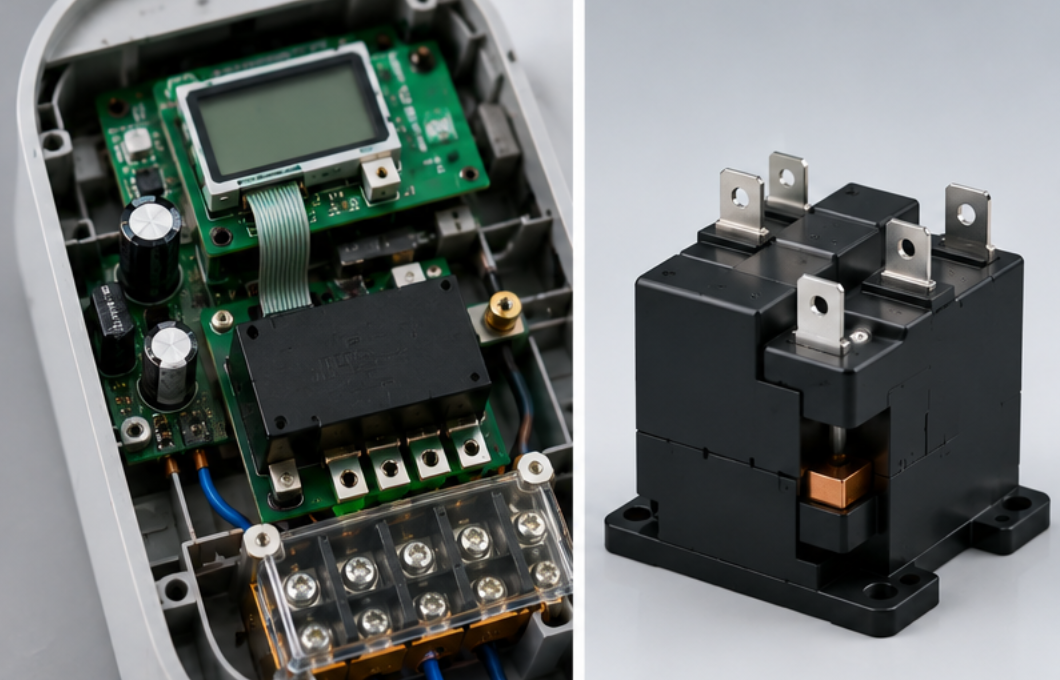
Latching relays provide smart meter manufacturers with an effective way to reduce standby power consumption while maintaining reliable load switching capability. Because the relay only requires a short pulse when changing state, continuous coil power and unnecessary heat generation can be reduced. For smart meter OEMs and procurement teams, selecting the right latching relay requires careful evaluation of current rating, contact resistance, endurance, temperature performance, mechanical integration, and production consistency. A reliable latching relay solution can contribute to lower meter power consumption, improved long-term reliability, and more efficient smart grid infrastructure.