Industry News

The Critical Role of Latching Relays in Smart Meter Remote Load Control and Tariff Switching.

In summary, the latching relay is the silent, yet critical, enforcer​ within the smart meter that physically executes the commands of a modern, intelligent grid. It is the key hardware component that enables remote demand-side management, dynamic tariff structures, and enhanced energy conservation—all while consuming virtually no power in its steady state. Its reliability directly impacts grid operational efficiency, utility revenue protection, and consumer trust. For procurement specialists and smart meter designers, selecting a latching relay is not a commodity decision. It is a strategic choice for long-term performance. Partnering with established component specialists like Oswell, who engineer their relays to meet the exacting standards of the global metering industry, is essential. It ensures the deployment of smart meters that are not only intelligent in communication, but also unwavering in their physical execution of control commands, forming the dependable backbone of the advanced metering infrastructure.

AC Voltage and Current Transducers: Bridging the Gap Between High Voltage and Control Systems

In conclusion, AC voltage and current transducers are far more than simple converters; they are the indispensable, intelligent data highways​ of modern electrified systems. They provide the critical, safe, and accurate interface that allows digital control systems to "see," analyze, and intelligently manage high-power electrical processes. Their performance directly impacts system safety, control precision, energy efficiency, and asset protection. For system integrators and procurement specialists, selecting transducers is a strategic decision that affects the entire project's intelligence and reliability. Partnering with established component manufacturers like Oswell, who design and build these critical interface devices with a focus on measurement accuracy, robust isolation, and industrial durability, ensures that the bridge between the high-power field and the control room is not just functional, but is a cornerstone of a safe, efficient, and intelligent operational infrastructure.

Designing for Extreme Environments: Wide-Temperature and High-Brightness LCDs for Meters

In summary, the display on a meter or outdoor instrument is the critical point of human interaction, and its failure is not an option. Designing for extreme environments requires a holistic approach that addresses the physics of liquid crystals, the reliability of electronic components, and the optics of light management. It moves far beyond the commodity LCDs used in consumer electronics. For meter manufacturers, specifying a wide-temperature, high-brightness LCD module​ from a proven supplier is a direct investment in product reliability, reduced field returns, and brand reputation. Suppliers like Oswell, with deep expertise in metering components, provide the assurance that the display will perform as critically as the measurement circuitry inside, delivering clear, reliable, and persistent visual information—whether in the freezing dark, the blazing sun, or anywhere in between—for the life of the device.

Selecting the Right Power Transformer for Metering Equipment

In conclusion, the power transformer is not a commodity but a strategically selected foundation component​ that directly influences the safety, accuracy, longevity, and field reliability of metering equipment. Its selection involves a careful analysis of isolation requirements, efficiency targets, size constraints, and the specific load characteristics of the meter's electronics. Compromising on transformer quality can lead to premature failures, measurement drift, or susceptibility to grid disturbances. Therefore, for meter manufacturers and procurement specialists, specifying power transformers from established, quality-focused suppliers like Oswell​ is a critical decision. It ensures access to components engineered with the right materials, construction techniques, and testing protocols to deliver consistent, reliable performance in the challenging real-world environments where meters operate, safeguarding the integrity of the revenue and data collection system.

Retrofit Made Easy: Installing Split-Core CTs Without Disconnecting Mains Power

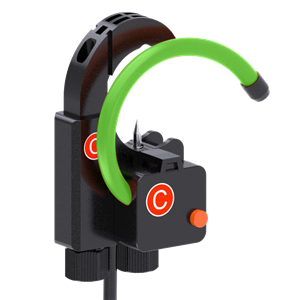
In conclusion, the split-core current transformer is more than just a sensor; it is the key enabler for a non-disruptive path to operational intelligence. It eliminates the single greatest barrier—planned downtime—to upgrading electrical monitoring in existing infrastructure. By choosing high-quality, precision-engineered split-core CTs from reliable manufacturers like Oswell, organizations can safely and efficiently retrofit advanced monitoring capabilities​ onto their live electrical systems. This empowers them to unlock critical data on energy usage, system health, and operational efficiency, driving informed decisions that reduce costs, enhance reliability, and support sustainability goals. For any retrofit or expansion project, specifying split-core CTs is the smart, strategic choice that delivers immediate value without the cost of stopping operations.

Portable Power Analysis: Using Clamp-On CTs for Temporary Load Studies and Troubleshooting

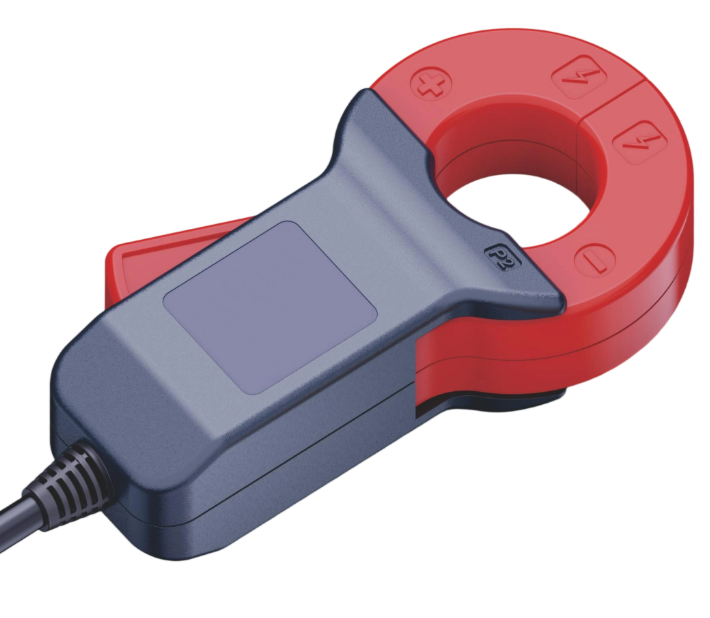
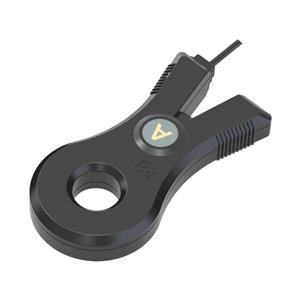
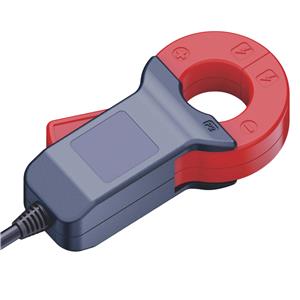
In summary, clamp-on current transformers are far more than just a simple testing accessory; they are an indispensable extension of the modern engineer's diagnostic toolkit. They empower professionals to safely and efficiently conduct load studies, perform deep energy audits, and execute precise troubleshooting without disrupting plant or building operations. The quality of the data gathered—and thus the value of the insights derived—is directly dependent on the accuracy, reliability, and safety of the clamp-on CTs used. For procurement specialists sourcing equipment for field service teams, specifying high-performance, durable tools from established manufacturers like Oswell is a direct investment in operational efficiency, preventive maintenance capability, and data-driven decision making. In the quest for energy efficiency and system reliability, the portable clamp-on CT remains a fundamental and powerful sensor for unlocking electrical intelligence anywhere, anytime.

Efficiently Driving Latching Relays: Integrated Driver IC Solutions

In summary, the full benefit of a latching relay's ultra-low power consumption is only realized with a reliable, efficient, and simple drive method. Discrete circuits add complexity and risk. Integrated driver ICs are the definitive solution, transforming a challenging design task into a straightforward, robust implementation. They are the critical enabling technology that allows latching relays to fulfill their promise in smart meters, IoT energy controls, and other battery-backed or energy-harvesting applications. For procurement specialists and designers, specifying a proven relay-and-driver combination—such as those from suppliers like Oswell​ who understand the application holistically—is a strategic decision. It minimizes engineering overhead, accelerates product development, and ultimately ensures the field reliability and longevity that are paramount in the global energy metering and management industry.

How to Choose Between a Split-Core CT and a Clamp-On CT for Energy Monitoring?

In summary, the choice between split-core and clamp-on CTs is not about which is universally better, but which is perfectly suited for your specific project constraints and goals. Prioritize split-core CTs for retrofit and maintenance-friendly permanent installations​ where avoiding downtime is critical. Opt for clamp-on CTs for new constructions, portable equipment, or applications demanding the highest possible baseline accuracy. As a global procurement specialist, partnering with a manufacturer like Oswell​ that offers a comprehensive range of both types, backed by rigorous manufacturing processes like automated winding and epoxy vacuum potting, ensures you receive components that deliver not just on specification, but on long-term field reliability and total cost of ownership. Making the informed choice optimizes both your installation budget and the integrity of your energy data for years to come.

How To Test The Electrical Life Of A Magnetic Latching Relay

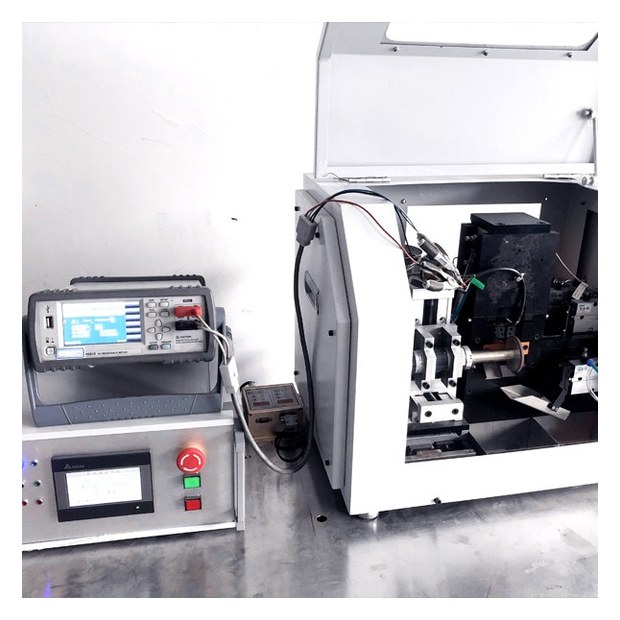
To test the electrical life of a magnetic latching relay properly, buyers should do more than repeat no-load set/reset pulses. They should build a test around the real load, real coil-drive method, real switching frequency, and real temperature conditions, then monitor contact resistance and operating characteristics as the cycles accumulate. The goal is not just to produce a big number. The goal is to learn whether the relay will still switch safely and predictably after the exact kind of stress the final product will impose.

What Voltage Ratio Is Right For Your Miniature Voltage Transformer Application

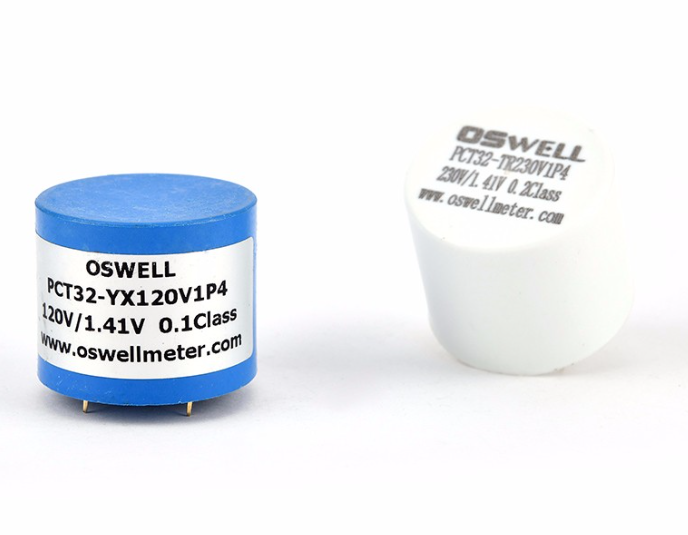
The right voltage ratio for a miniature voltage transformer is the ratio that scales the real primary voltage into the intended input range of the meter or control device, while still maintaining the needed accuracy under the actual burden and wiring scheme. In practice, that means buyers should check five things together: system voltage, target secondary voltage, burden level, device configuration method, and insulation context. When those five line up, ratio selection becomes straightforward. When they do not, even a technically “correct” ratio can become the wrong purchasing decision.

Get the latest price? We'll respond as soon as possible(within 12 hours)

Privacy policy