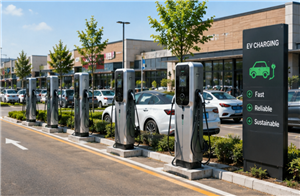
In public parking projects and outdoor charging areas, charger placement matters just as much as charging power. A charger that works well on paper may still create user inconvenience, poor visibility, awkward cable reach, or limited expansion if the installation form does not match the real site. That is why pedestal EV chargers are often the better choice for public and outdoor applications. They are easier to position where drivers actually need them, easier to integrate into open parking layouts, and easier to scale across public charging projects. This guide explains why pedestal EV chargers are better for public parking and outdoor charging areas and what site advantages make them the stronger long-term solution.
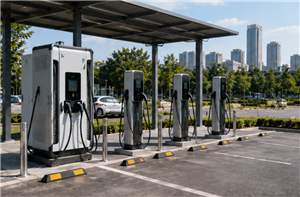
Ordering a pedestal EV charging station is not only about choosing a power level or connector standard. For commercial and public charging projects, buyers should confirm the real site layout, charging demand, installation conditions, user type, software functions, and future expansion plan before placing the order. If these points are not confirmed early, the project may later face installation changes, slower site progress, poor charging experience, or unnecessary cost. This guide explains what buyers should confirm before ordering a pedestal EV charging station and how to make a safer, more practical project decision.
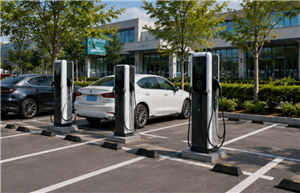
Choosing the right pedestal EV charger is not only about selecting a higher or lower power level. The real decision depends on parking time, vehicle turnover speed, site traffic, electrical capacity, business model, and the type of users the project needs to serve. A 7kW or 22kW pedestal charger may be the right choice for long-stay parking, while a 40kW or 240kW charger may be far more suitable for commercial sites that require faster charging turnover. This guide explains how to choose between 7kW, 22kW, 40kW, and 240kW pedestal EV chargers so buyers can match the charger to the actual site instead of choosing only by output number.