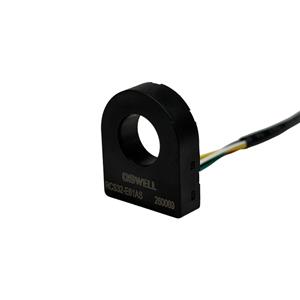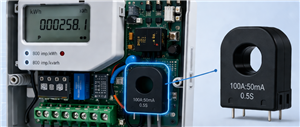
Preventing accuracy drift in smart meter current transformer selection requires more than checking one nominal performance value. The right CT should support stable ratio behavior, good linearity, proper burden compatibility, reliable thermal performance, mechanical consistency, and repeatable batch quality. When these factors are evaluated together in the context of the real smart meter design, project teams can reduce drift risk, improve calibration stability, and build meters with stronger long-term measurement reliability.

Choosing a current transformer that improves smart meter accuracy requires more than checking the rated current or a single accuracy claim. The right CT should support stable low-current behavior, suitable ratio matching, good linearity, proper burden compatibility, temperature stability, and strong batch consistency. When these factors are evaluated together in the context of the real meter design, project teams can make better CT decisions, reduce calibration complexity, and build smart meters with more reliable long-term measurement performance.
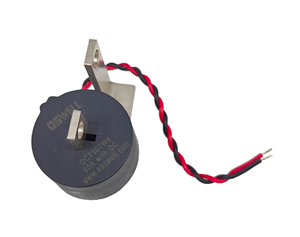
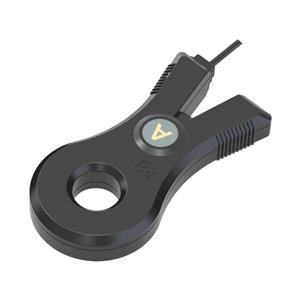
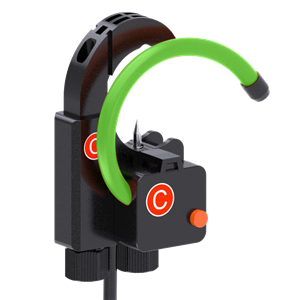
In summary, the choice between split-core and clamp-on CTs is not about which is universally better, but which is perfectly suited for your specific project constraints and goals. Prioritize split-core CTs for retrofit and maintenance-friendly permanent installations where avoiding downtime is critical. Opt for clamp-on CTs for new constructions, portable equipment, or applications demanding the highest possible baseline accuracy. As a global procurement specialist, partnering with a manufacturer like Oswell that offers a comprehensive range of both types, backed by rigorous manufacturing processes like automated winding and epoxy vacuum potting, ensures you receive components that deliver not just on specification, but on long-term field reliability and total cost of ownership. Making the informed choice optimizes both your installation budget and the integrity of your energy data for years to come.